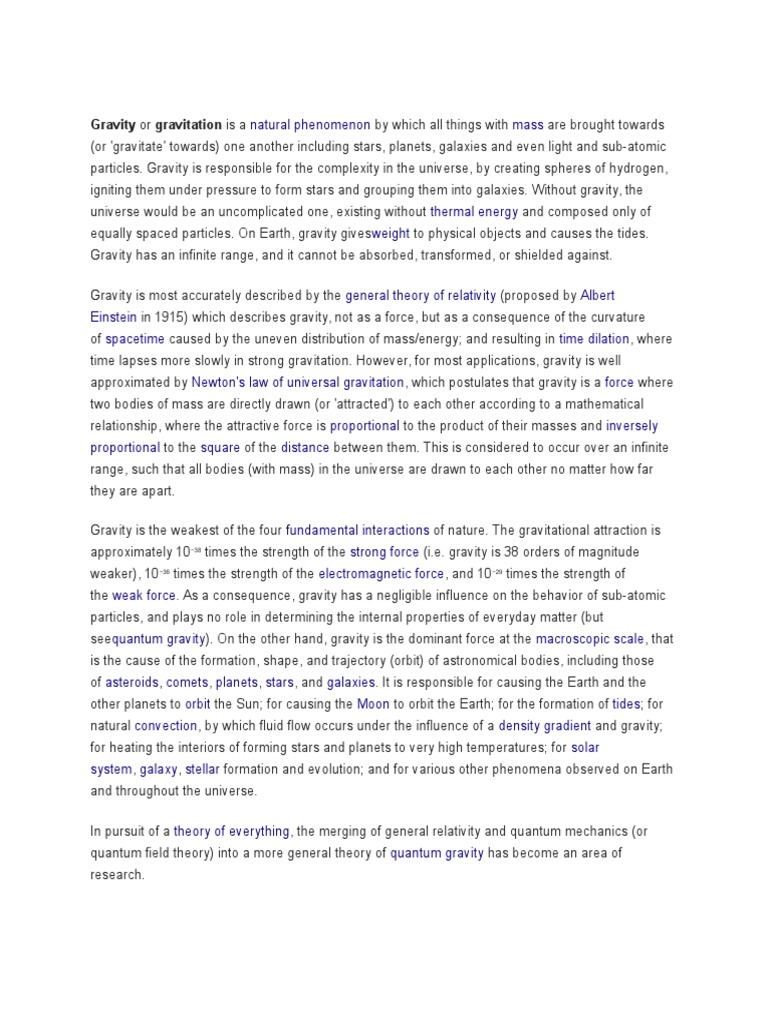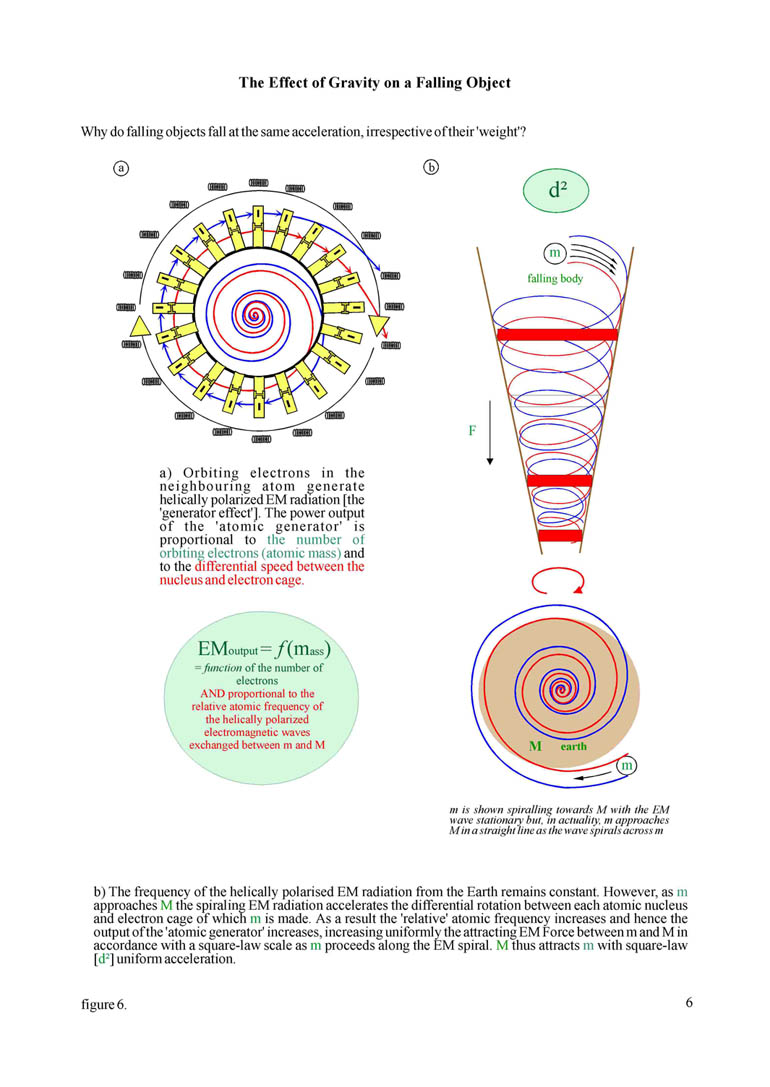
The Fundamental Constant Is… Still Constant?

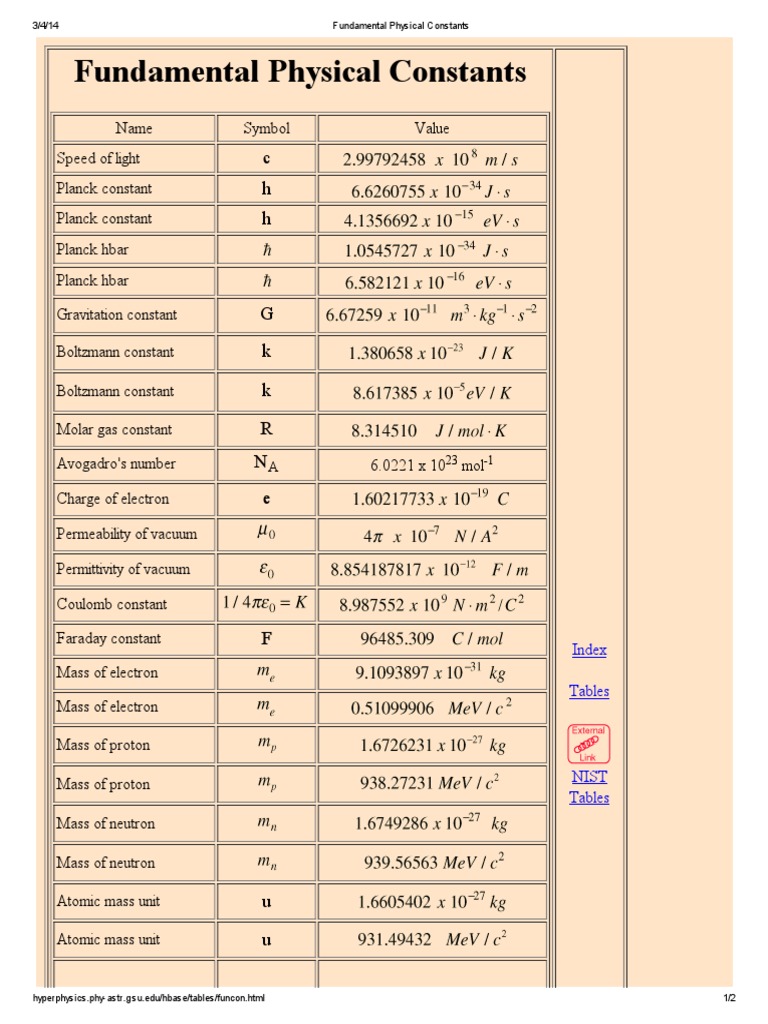
Definition of Fundamental Constants Fundamental constants are intrinsic quantities in nature that remain unchanged across different physical contexts and theoretical frameworks. These constants serve as the foundational parameters in physics, underpinning the laws that govern the universe. Examples include: Speed of Light (c): Approximately 299,792,458 meters per second, this constant represents the maximum speed at […]

Read More →

Science Goes Boom: An Explosive Breakthrough Shakes Physics

Understanding Explosive Breakthroughs in Physics Throughout the history of scientific exploration, certain moments stand out as transformative, igniting profound shifts in our comprehension of the natural world. The phrase “Science Goes Boom: An Explosive Breakthrough Shakes Physics” metaphorically captures these pivotal discoveries that dramatically alter established paradigms and open new avenues for investigation. Physics, often […]

Read More →

Einstein on CD: The Sound of Scientific Genius

Overview of Albert Einstein’s Legacy Albert Einstein stands as a monumental figure in the history of physics, fundamentally transforming our comprehension of time, space, and energy. His groundbreaking theories, especially the theory of relativity, have left an indelible mark not only within scientific circles but also in popular culture, where his intellectual prowess is widely […]

Read More →

The Science of Fuel Cells: Friend or Foe?

Definition of Fuel Cells Fuel cells are electrochemical devices that convert chemical energy directly into electrical energy through a reaction between a fuel, typically hydrogen, and an oxidizing agent, usually oxygen. Unlike conventional combustion engines, fuel cells generate electricity with high efficiency and minimal environmental impact, producing water and heat as byproducts. Fuel: Hydrogen is […]

Read More →

Are You Reading the News or the Noise? Media Bias and Science

Understanding Media Bias and Its Impact on Scientific Communication In today’s media landscape, distinguishing authentic information from overwhelming noise has become a critical challenge. The way news is disseminated, especially when it involves scientific topics, reflects deeper societal values and reveals our collective fascination with knowledge and sensationalism. This article explores the nature of media […]

Read More →

French Frustration: When Science Meets Policy Deadlocks

Definition of French Frustration “French Frustration” refers to the recurring phenomenon in France where the integration of scientific knowledge into political decision-making encounters significant obstacles. This term highlights the persistent deadlocks that arise when evidence-based scientific insights clash with entrenched bureaucratic and political frameworks, leading to widespread dissatisfaction among scientists, policymakers, and the public alike. […]

Read More →

Science in a Dictatorship: Progress Behind Closed Doors

Understanding Science Under Authoritarian Regimes Science has historically developed within diverse political frameworks, including authoritarian regimes where strict control and limited freedoms prevail. This complex relationship between oppressive governance and scientific progress presents a paradox: while intellectual freedom is often suppressed, scientific advancements can still emerge. Exploring this dynamic reveals how scientific inquiry can both […]

Read More →

Where Passions Run Deep: Science That Touches the Soul

Understanding Passion: A Comprehensive Overview Passion can be envisioned as a hidden current beneath the surface of human experience, quietly shaping the contours of our lives. Much like an underground river, it flows unseen, occasionally erupting into visible expression before retreating back into the depths. This dynamic interplay between what is felt internally and what […]

Read More →

Two Decades On: Has Science Kept Its Promises?

Understanding the Promises of Science in the 21st Century The early 2000s marked a transformative period in modern history, prompting a critical evaluation of the commitments embedded within scientific progress. Reflecting on two decades of advancements invites a thorough investigation into whether science has truly delivered on its extensive promises. This assessment spans multiple fields, […]

Read More →

A Global Venture: Collaborating for Science Without Borders

Definition of Science Without Borders “Science Without Borders” refers to the global collaboration among scientists that transcends national boundaries to address complex challenges and advance knowledge. This concept highlights the integration of intellectual resources worldwide, emphasizing the interconnected nature of scientific inquiry and the shared responsibility to solve universal problems. Global Collaboration: Scientists from different […]

Read More →