What Is the Most Misunderstood Idea in Astrophysics?

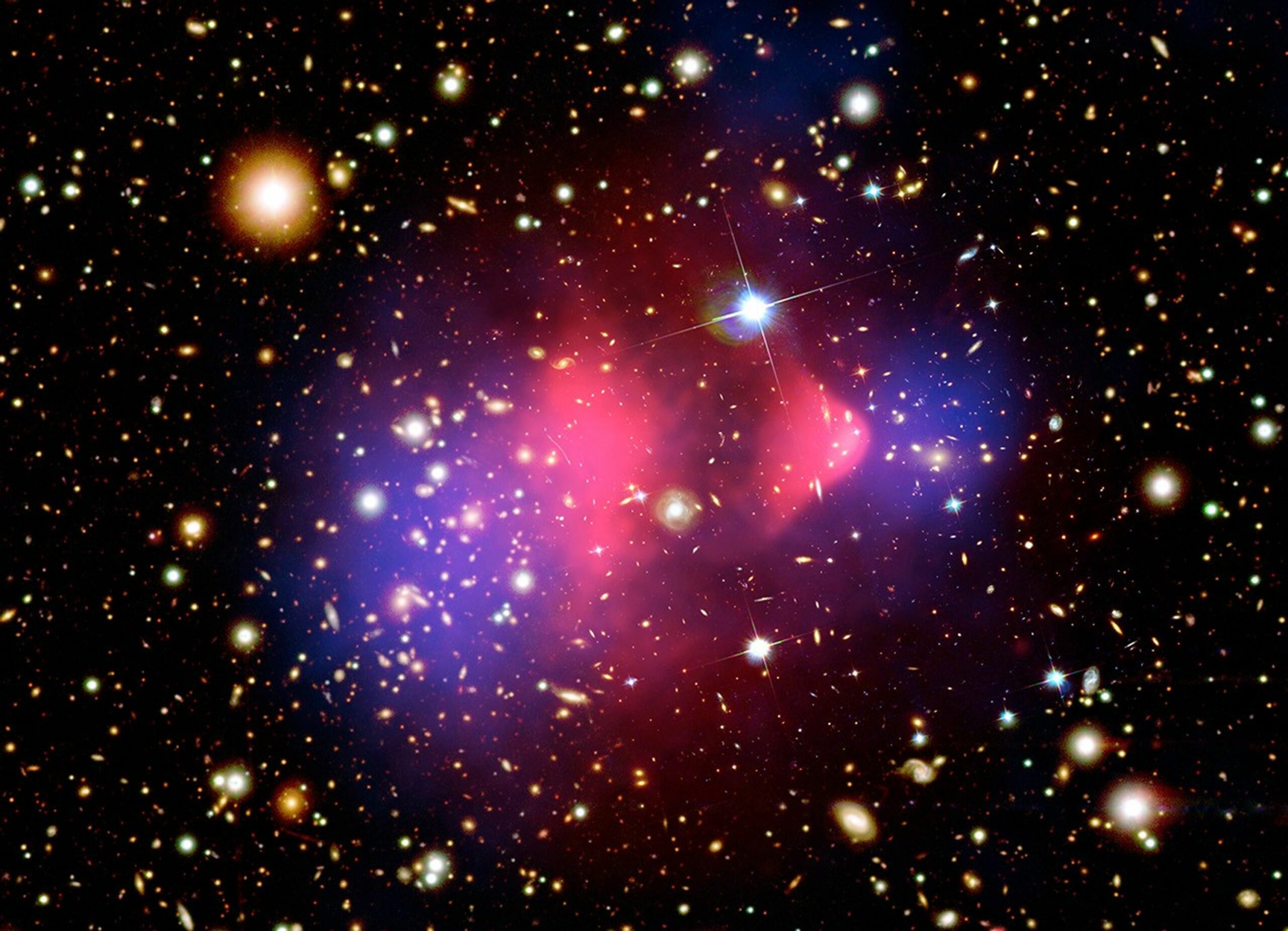
Understanding Dark Matter: A Fundamental Cosmic Mystery Dark matter stands as one of the most perplexing and elusive concepts in astrophysics, captivating both scientists and the public with its enigmatic nature. Unlike ordinary matter, which we can observe through electromagnetic radiation such as light and radio waves, dark matter remains invisible and undetectable by conventional […]

Read More →

Astrophysics vs Astronomy—What’s the Real Difference?

Definition The study of the universe encompasses two closely related yet distinct scientific disciplines: astronomy and astrophysics. While often used interchangeably in everyday language, these fields differ fundamentally in their focus and approach. Astronomy primarily involves the observation and cataloging of celestial objects and phenomena, whereas astrophysics seeks to understand the physical principles and mechanisms […]

Read More →

Can a Binary Star Act Like a Particle Accelerator?

Definition of Binary Star Systems as Natural Particle Accelerators Binary star systems consist of two stars gravitationally bound in mutual orbit, often exhibiting complex interactions that extend beyond simple celestial companionship. Among their intriguing characteristics is their ability to function as natural particle accelerators, propelling subatomic particles to extraordinarily high energies. This phenomenon bridges astrophysics […]

Read More →

Can You Do Astrophysics Without Being a Math Genius?

Understanding Astrophysics Astrophysics is often imagined as a complex and intricate field dominated by advanced mathematics, where equations and numbers form a cosmic tapestry of knowledge. Many perceive it as a discipline reserved for those with exceptional mathematical skills, a domain where mastery of formulas is essential to explore the universe. However, this view only […]

Read More →

Could Black Holes Be Connected to Dark Matter?

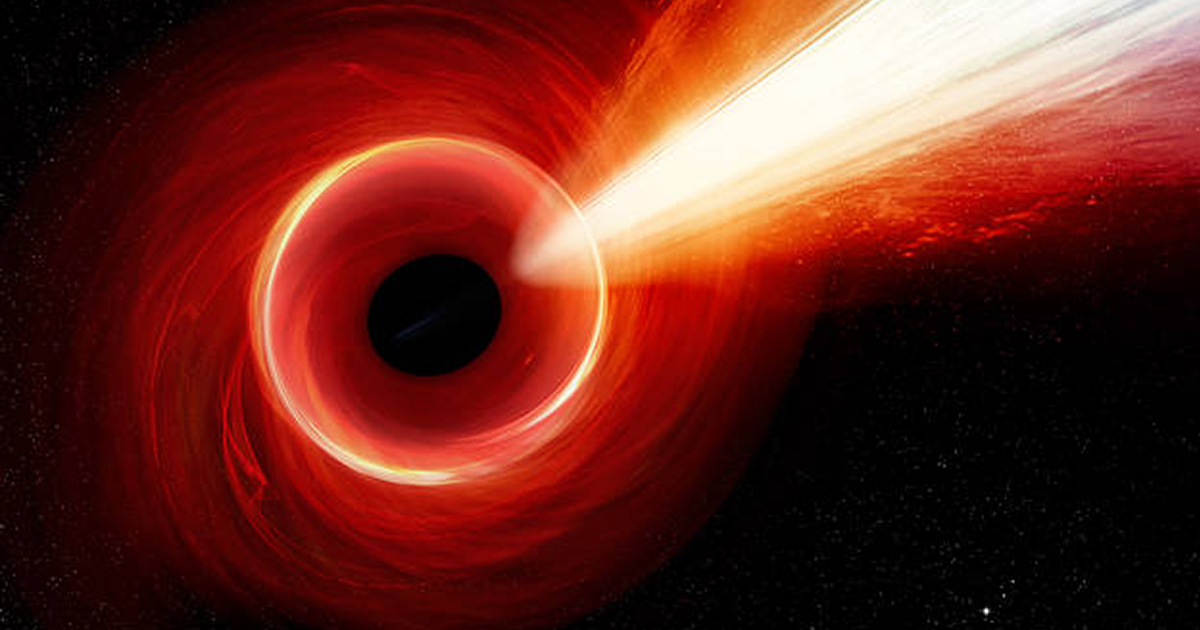
Understanding Black Holes and Dark Matter Within the vast expanse of the cosmos, black holes stand as mysterious phenomena-regions where gravity intensifies to such an extent that even light cannot escape their pull. Alongside these enigmatic objects lies dark matter, an invisible substance that constitutes the majority of the universe’s mass but remains undetectable through […]

Read More →

Best Topics for Astrophysics Research Projects

Understanding Astrophysics Astrophysics captivates human curiosity by exploring the vast and mysterious universe. The night sky, adorned with countless stars and cosmic phenomena, inspires a deep desire to comprehend the origins, mechanisms, and ultimate fate of the cosmos. This fascination extends beyond mere observation, driving a profound quest to decode the universe’s fundamental principles. For […]

Read More →

Do Gravitational Waves Destroy Orbits Over Time?

Definition of Gravitational Waves and Orbital Decay Gravitational waves are disturbances that ripple through the fabric of spacetime, analogous to the waves spreading across a pond’s surface when a stone is thrown. These waves are generated by accelerating masses, particularly in systems where massive, dense objects such as neutron stars or black holes orbit each […]

Read More →

The Relentless Hunt for Dark Matter Is Heating Up

Understanding Dark Matter Dark matter represents one of the most intriguing and elusive components of the universe. Although it cannot be observed directly through conventional means, its presence is inferred from its significant gravitational effects on visible matter, radiation, and the large-scale structure of the cosmos. This mysterious substance constitutes a substantial portion of the […]

Read More →

The Truth About Dark Matter Will Shock You

Definition of Dark Matter Dark matter is a mysterious and invisible substance that permeates the universe, eluding direct detection by conventional telescopes and electromagnetic radiation. Despite its invisibility, it exerts a profound gravitational influence, shaping the formation and cohesion of galaxies and large-scale cosmic structures. Accounting for approximately 27% of the universe’s total mass-energy composition, […]

Read More →