Can a radiologic technologist become a medical physicist?

Definition and Overview The intersection of healthcare and technology has created diverse career opportunities, one notable path being the progression from radiologic technologist to medical physicist. This transition involves moving from a hands-on imaging role to a specialized scientific position focused on the application of physics in medicine. Understanding this career shift requires examining the […]

Read More →

Why is an MRI done?

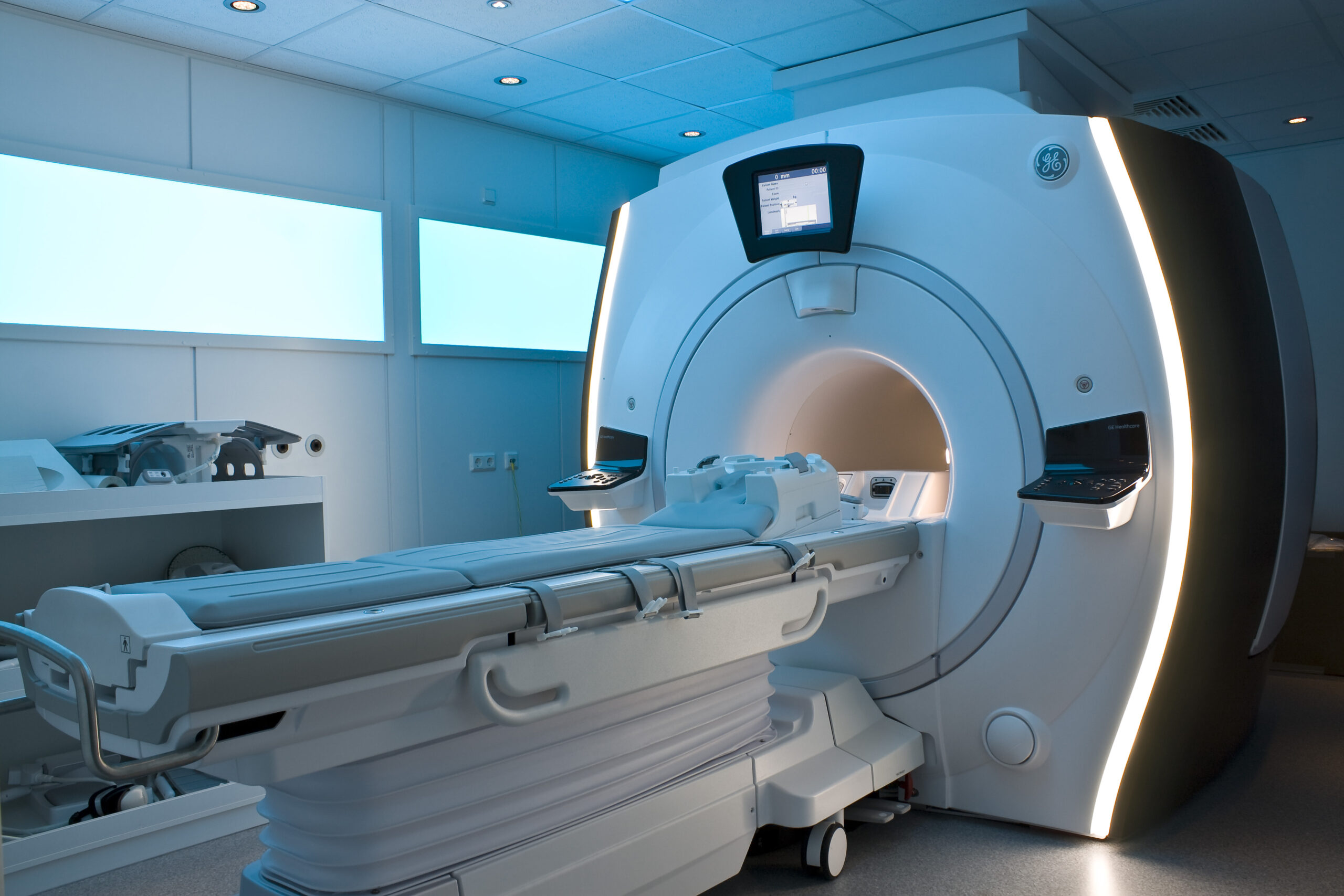
Definition of Magnetic Resonance Imaging (MRI) Magnetic Resonance Imaging (MRI) is a sophisticated diagnostic technique that utilizes strong magnetic fields and radiofrequency waves to generate highly detailed images of the body’s internal anatomy. Unlike invasive procedures, MRI offers a non-invasive method to visualize soft tissues with exceptional clarity, surpassing many traditional imaging modalities. This technology […]

Read More →

How is MRI different from NMR?

Definition and Overview Magnetic Resonance Imaging (MRI) and Nuclear Magnetic Resonance (NMR) are advanced technologies that harness the magnetic properties of atomic nuclei. Both techniques exploit the behavior of nuclei in magnetic fields, yet they serve distinct purposes across different disciplines. Understanding the fundamental differences between MRI and NMR is essential for appreciating their unique […]

Read More →

Accelerating Medical Isotope Production: Physics Saving Lives Faster

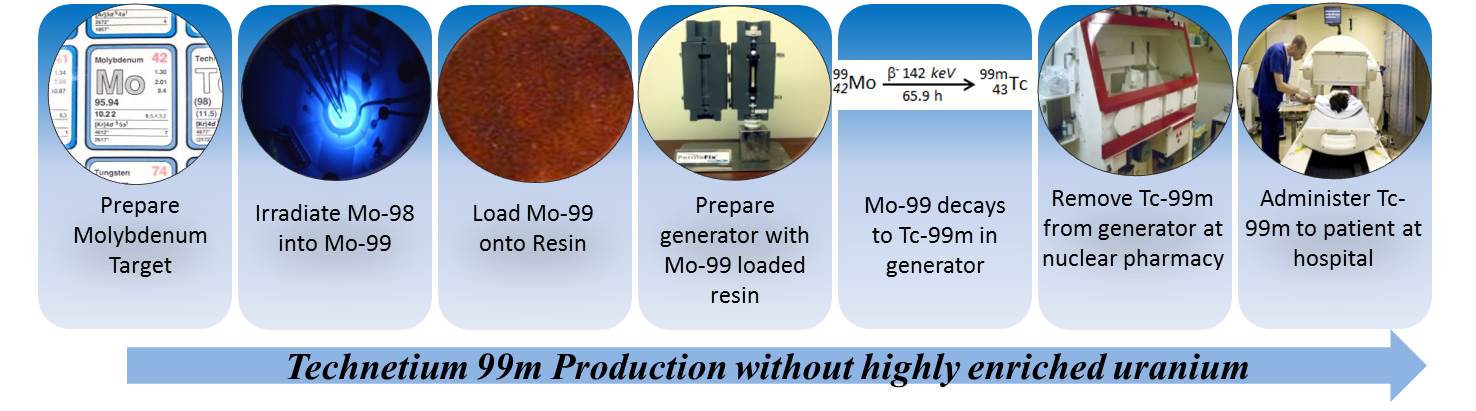
Definition of Medical Isotopes Medical isotopes are radioactive atoms used extensively in nuclear medicine for both diagnostic and therapeutic purposes. These isotopes emit radiation that can be detected by imaging devices or used to target and destroy diseased tissues, making them indispensable tools in modern healthcare. Diagnostic Isotopes: Employed primarily in imaging techniques to visualize […]

Read More →

Is it possible for someone to master every field of physics?

Understanding the Scope of Physics Physics is a vast and intricate scientific discipline dedicated to exploring matter, energy, and the interactions between them. It encompasses a wide range of specialized branches, each with its own unique theories, experimental methods, and mathematical tools. These subfields include, but are not limited to, classical mechanics, quantum physics, astrophysics, […]

Read More →

How to do medical physics?

Definition of Medical Physics Medical physics is a specialized branch of science that merges the principles of physics with medical practice to improve healthcare outcomes. It involves the application of physical concepts and techniques to diagnose, treat, and manage diseases, particularly through the use of radiation and imaging technologies. This interdisciplinary field plays a crucial […]

Read More →

Accelerator Lab Targets Medical Isotopes: Protons with a Purpose

Definition of Medical Isotope Production Using Particle Accelerators Medical isotope production through particle accelerators involves generating radioactive isotopes by bombarding stable target materials with high-energy particles, typically protons. These isotopes are indispensable in modern medicine, particularly for diagnostic imaging and targeted cancer therapies. This process leverages advanced physics principles to create isotopes that enable clinicians […]

Read More →

What is a star’s ‘spectrum’? – Mathematics and Physics?

Definition of a Star’s Spectrum A star’s spectrum represents the range of electromagnetic radiation it emits, encompassing a detailed profile of light that reveals critical information about the star’s physical properties. This spectrum acts as a cosmic fingerprint, encoding data about the star’s chemical makeup, temperature, brightness, and motion through space. By studying these spectral […]

Read More →

How does an MRI incorporate optics mirror and/or lenses?

Definition of Optics in MRI Optics in Magnetic Resonance Imaging (MRI) refers to the application of optical principles-such as the use of lenses and mirrors-to enhance the detection, focusing, and manipulation of signals within MRI systems. This integration improves image clarity and precision, enabling detailed visualization of internal anatomical structures beyond the capabilities of magnetic […]

Read More →