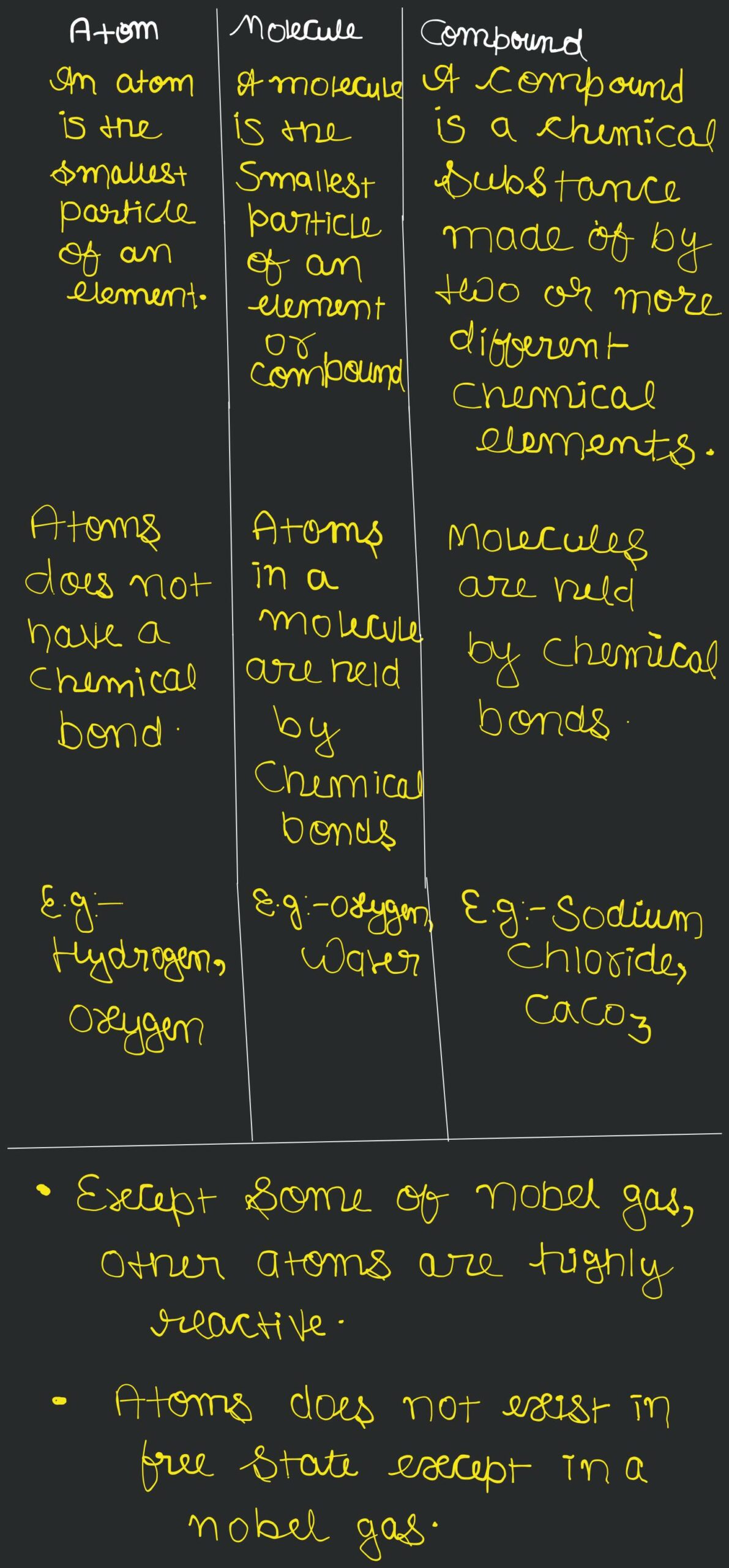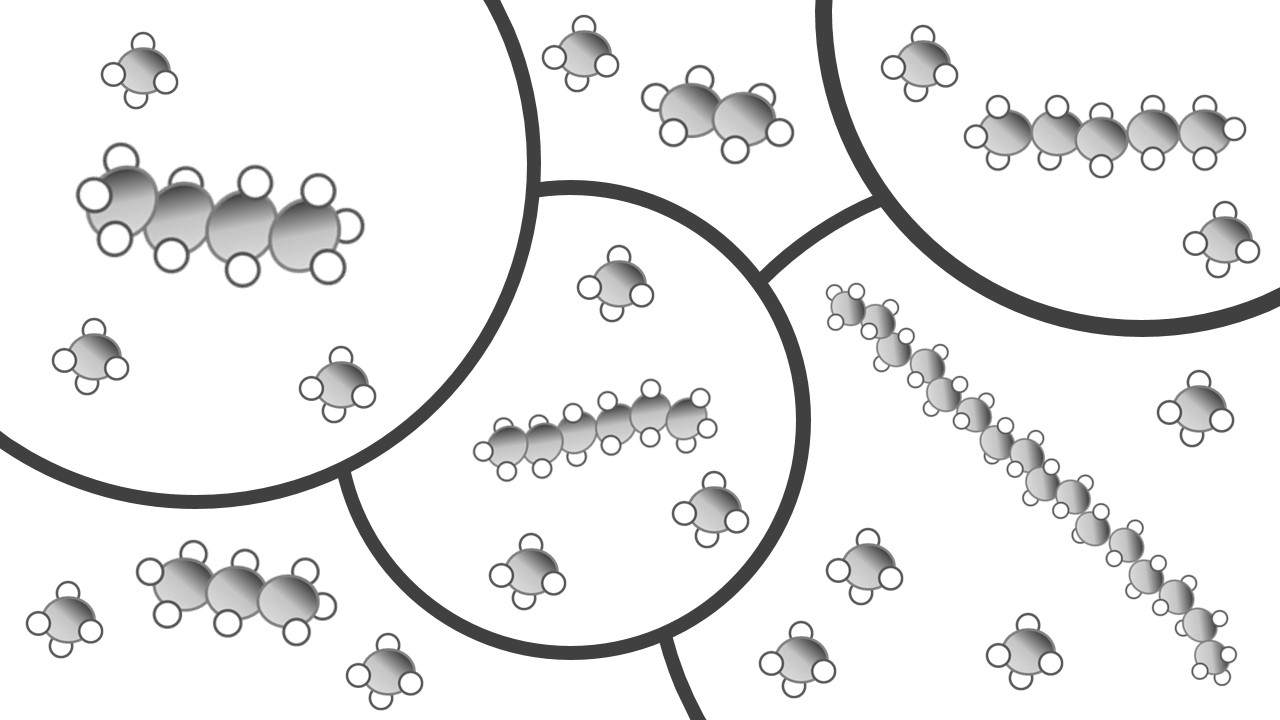
How much bigger is a molecule than an atom?

Understanding Atoms and Molecules In the microscopic domain, a fundamental inquiry arises: how much larger is a molecule compared to an atom? This question captivates both scientific enthusiasts and learners of chemistry and physics alike. To appreciate the differences in size and complexity, it is essential to first understand what atoms and molecules are, their […]
Read More →

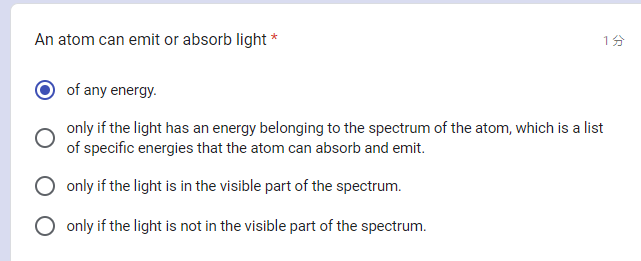
Can one atom create electromagnetic waves? If so how?

Definition of Electromagnetic Wave Emission by Atoms The question of whether a single atom can independently generate electromagnetic waves involves understanding the fundamental interactions between atomic particles and electromagnetic theory. This topic bridges quantum mechanics and classical electromagnetism, focusing on how atoms emit electromagnetic radiation through their internal processes. Atomic Structure and Energy Levels Atoms […]

Read More →

Why does an atom bond?

Definition of Atomic Bonding Atomic bonding refers to the process by which atoms connect to form molecules and compounds, creating the diverse matter that constitutes the universe. This phenomenon arises from the interactions between subatomic particles, primarily electrons, and the forces that govern their behavior. Atoms bond to achieve greater stability, often by completing their […]

Read More →

Does an atom have a soul? Is it conscious?

Understanding Atoms: The Building Blocks of Matter Atoms represent the most fundamental units of chemical elements, retaining the unique properties of their respective elements. Each atom consists of a compact nucleus, containing protons and neutrons, orbited by electrons in probabilistic clouds. The behavior of these subatomic particles is governed by the principles of quantum mechanics, […]

Read More →

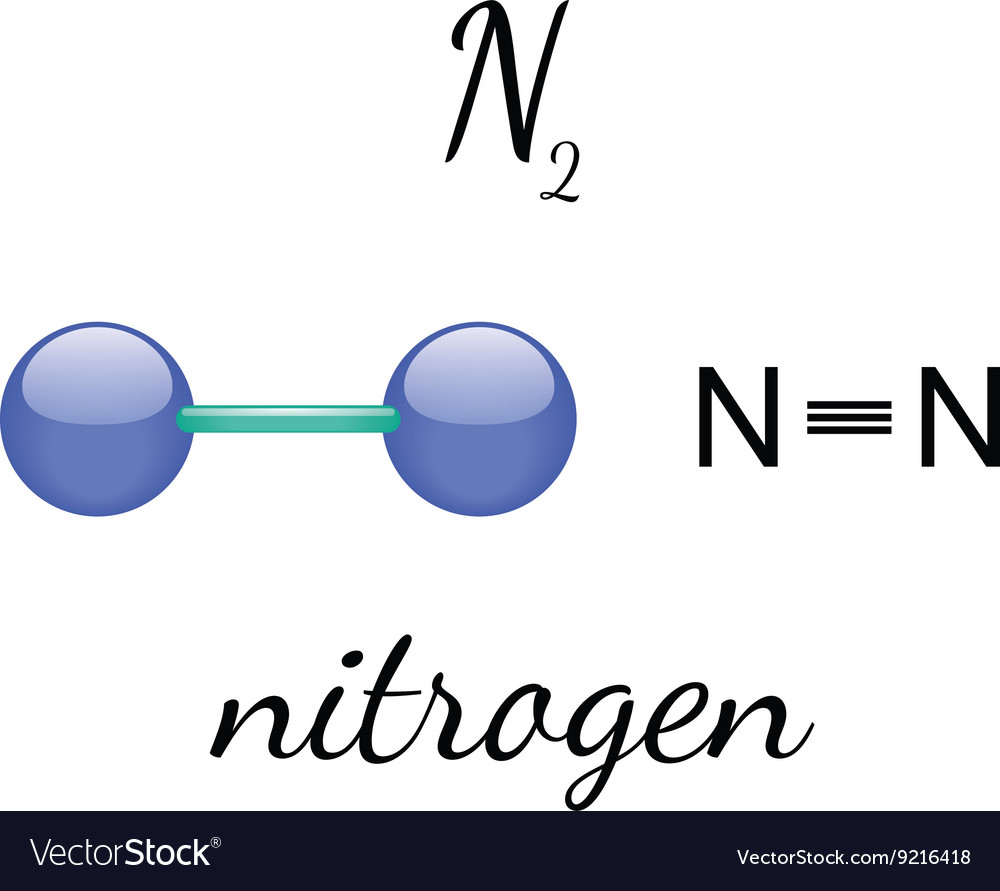
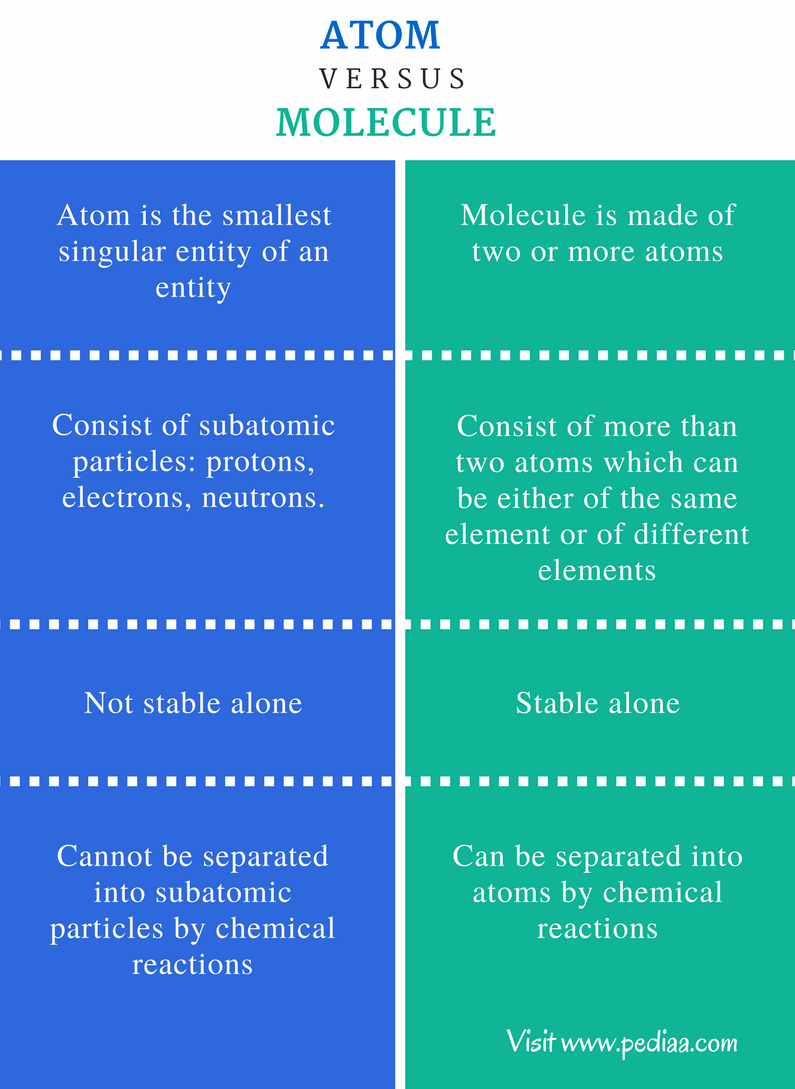
Is n2 an atom or molecule?

Definition of Atoms and Molecules In the field of chemistry, understanding the difference between atoms and molecules is fundamental. Atoms are the smallest units of matter, indivisible by chemical means, composed of protons, neutrons, and electrons arranged in a specific structure. Molecules, on the other hand, are formed when two or more atoms chemically bond […]

Read More →

Does hydrogen only have one atom?

Definition of Hydrogen Hydrogen is the first element on the periodic table and is recognized as the simplest and lightest element in the universe. It primarily consists of a single proton and one electron in its most common form, known as protium. While often visualized as a solitary atom, hydrogen’s existence and behavior extend far […]

Read More →