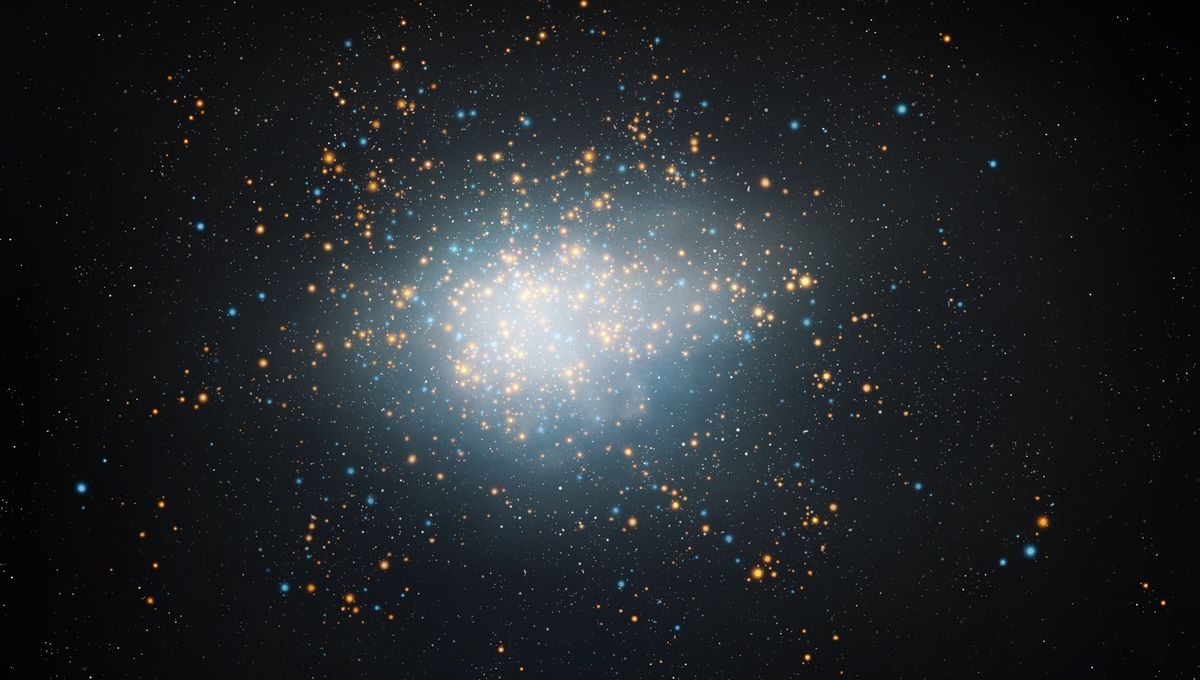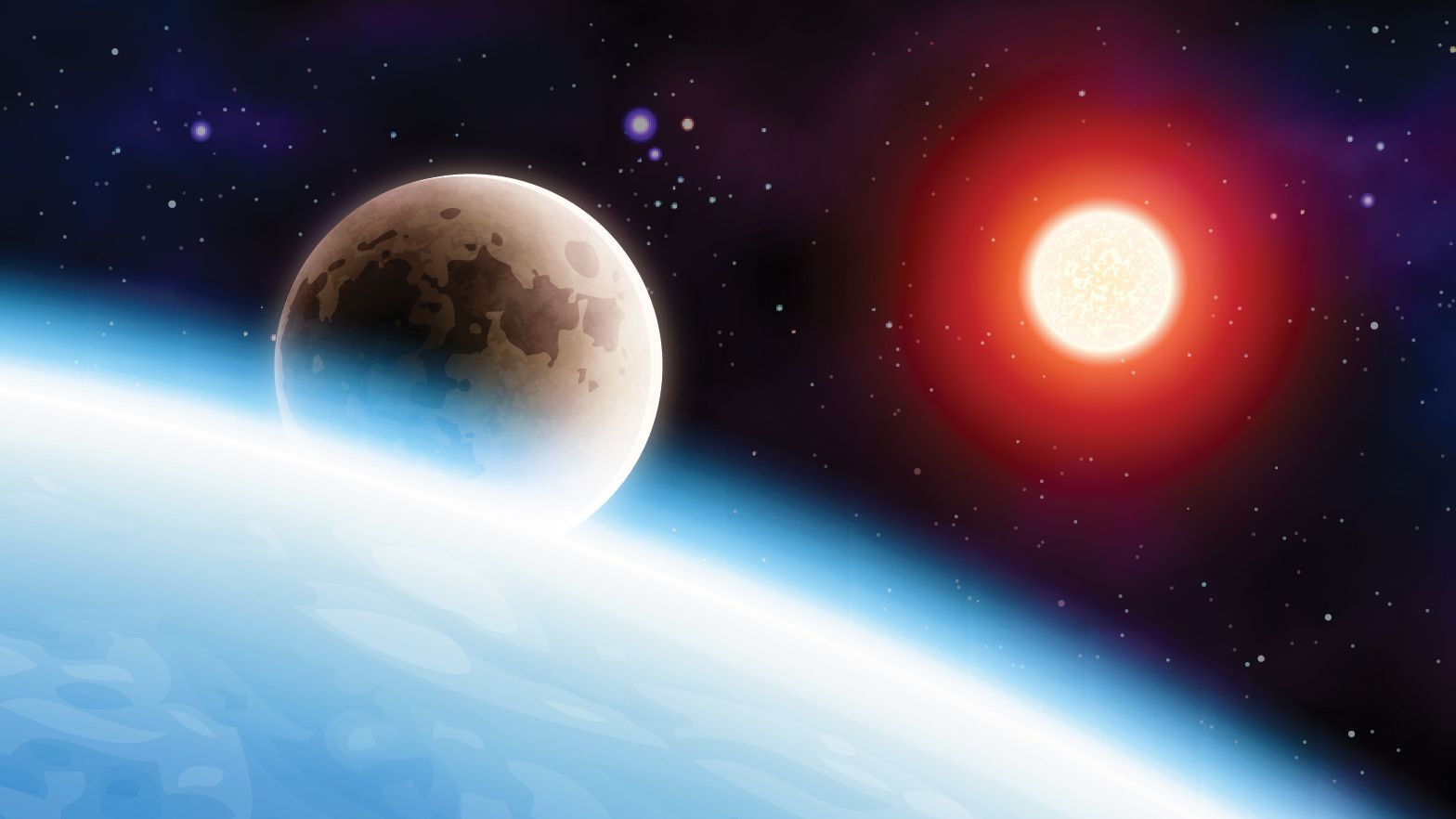
How Stars Differ From Each Other (It’s Not Just Size!)

Understanding Stellar Diversity At first glance, the night sky appears as a uniform spread of sparkling dots, yet a deeper examination reveals an extraordinary variety among stars. This diversity extends well beyond mere differences in size, encompassing a complex array of physical and chemical properties. From diminutive red dwarfs to colossal supergiants, stars exhibit a […]

Read More →

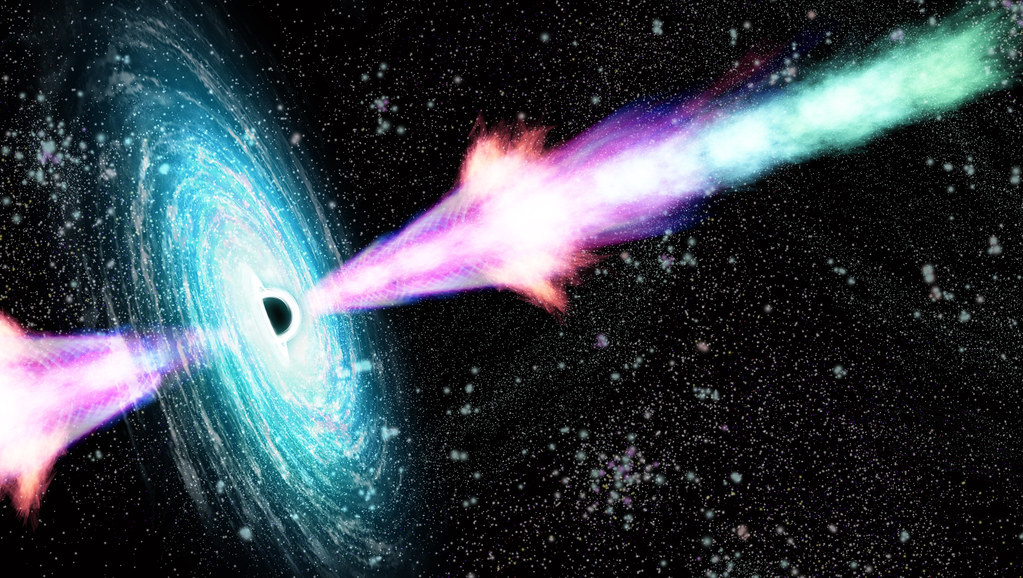
Could Black Holes Be Connected to Dark Matter?

Understanding Black Holes and Dark Matter Within the vast expanse of the cosmos, black holes stand as mysterious phenomena-regions where gravity intensifies to such an extent that even light cannot escape their pull. Alongside these enigmatic objects lies dark matter, an invisible substance that constitutes the majority of the universe’s mass but remains undetectable through […]

Read More →

Why Space Telescopes Can’t Be Easily Repaired

Definition of Space Telescopes Space telescopes are advanced observational instruments positioned beyond Earth’s atmosphere, designed to capture detailed images and data from distant celestial objects. By operating in orbit, they avoid atmospheric distortion and light pollution, enabling astronomers to study galaxies, nebulae, stars, and other cosmic phenomena with unparalleled clarity. Purpose: To observe the universe […]

Read More →

Dark Energy Spectroscopic Instrument Just Shook Cosmology—Here’s Why

Definition of DESI and Its Scientific Mission The Dark Energy Spectroscopic Instrument (DESI) is a cutting-edge astronomical tool designed to investigate the mysterious force known as dark energy, which drives the accelerated expansion of the universe. Installed on the Mayall 4-meter telescope in Arizona, DESI employs an array of over 5,000 robotic fibers to simultaneously […]

Read More →

Why the James Webb Space Telescope Is a Game-Changer

Overview of the James Webb Space Telescope The James Webb Space Telescope (JWST) represents a monumental stride in humanity’s pursuit to unravel the mysteries of the cosmos. As a cutting-edge observatory, it surpasses previous space telescopes by offering unprecedented insights into the universe’s distant past and complex phenomena. This advanced instrument is designed to explore […]

Read More →

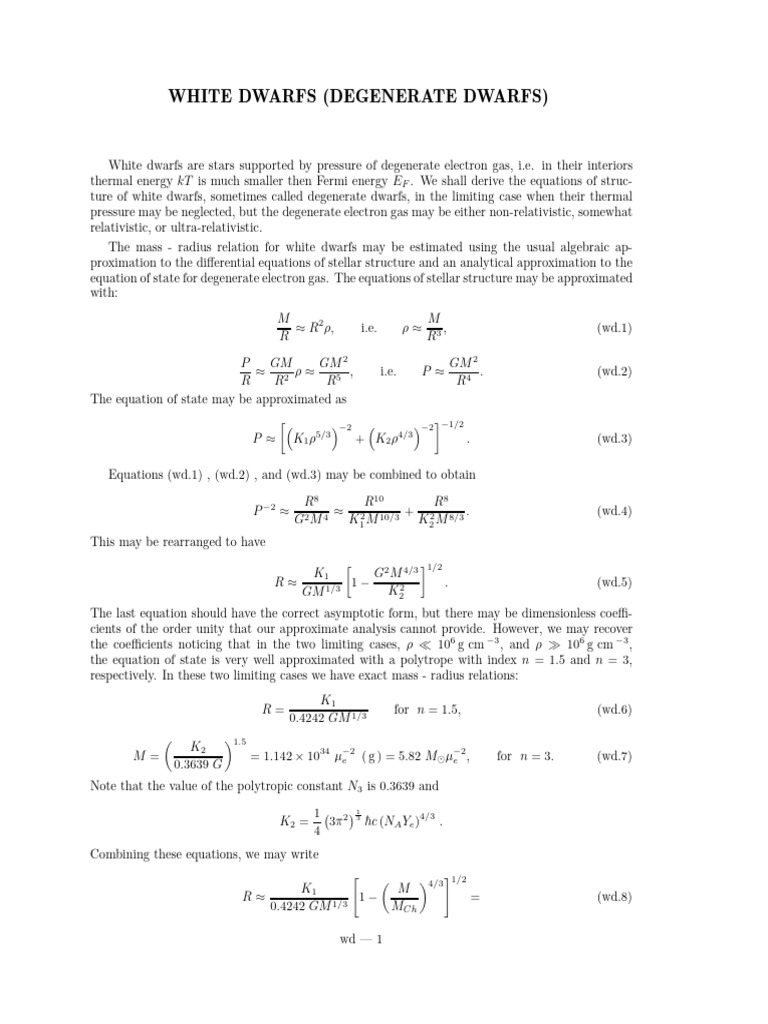
How Gravity Shapes the Size and Life of Stars

Definition of Gravity’s Role in Stellar Evolution Gravity is the fundamental force that governs the formation, structure, and ultimate fate of stars. Far from being mere points of light, stars are dynamic systems where gravity continuously balances against internal pressures, shaping their size, brightness, and lifespan. This invisible force acts as the cosmic architect, orchestrating […]

Read More →