What Is Dark Matter? The Simplest Explanation Ever

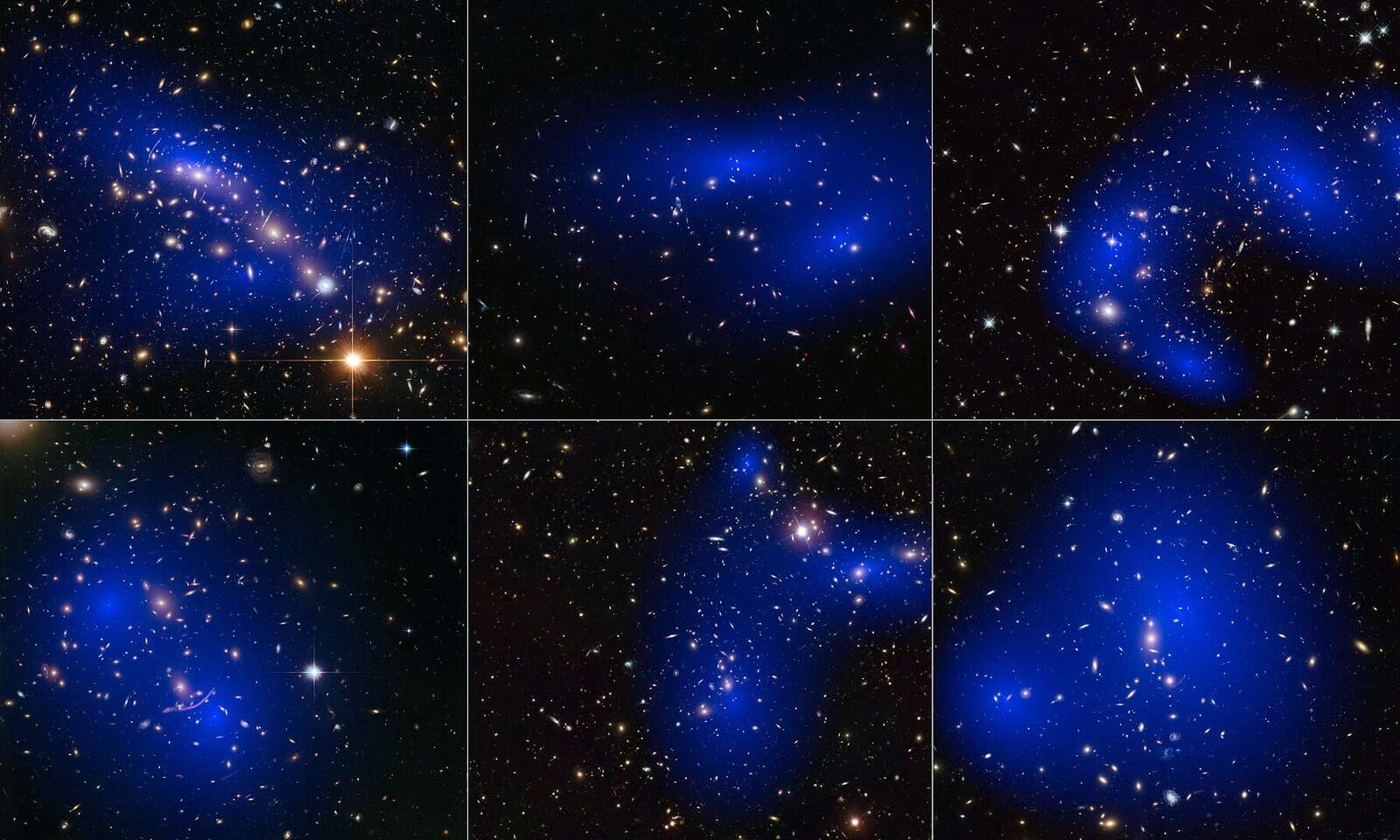
Definition of Dark Matter Dark matter is a form of matter that neither emits, absorbs, nor reflects electromagnetic radiation, rendering it invisible to conventional telescopes and detectors. Unlike the luminous components of the universe such as stars, planets, and gas clouds, dark matter cannot be observed directly. Its existence is inferred through its gravitational influence […]

Read More →

Career Options After an MSc in Physics—What’s Next?

Definition and Scope of Career Opportunities After MSc in Physics Completing a Master of Science in Physics opens a vast array of professional avenues, reflecting the subject’s reputation as the foundational science that deciphers the universe’s fundamental laws. This degree equips graduates with a robust analytical framework, advanced mathematical skills, and exceptional problem-solving abilities, enabling […]

Read More →

What Units Are Used in Orbital Calculations?

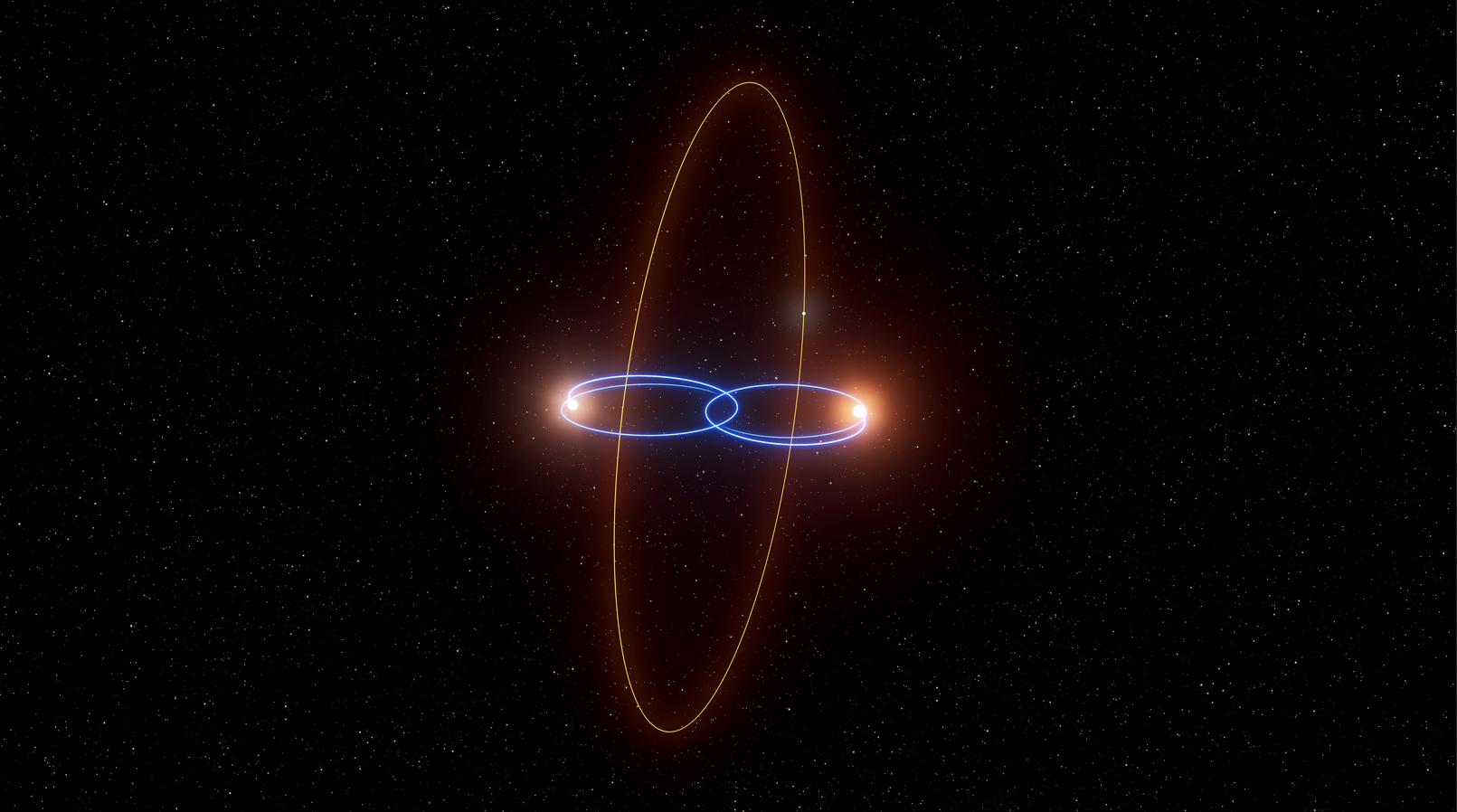
Definition of Units in Orbital Calculations Orbital calculations involve the precise measurement and application of various physical quantities to describe the motion of celestial bodies. These calculations rely on specific units to quantify distance, time, mass, velocity, and angles, which are essential for accurately predicting orbital paths, velocities, and gravitational interactions. The choice of units […]

Read More →

The Biggest Unanswered Questions in Physics

Definition of Unanswered Questions in Physics Physics, the fundamental science that deciphers the laws governing the natural world, is continuously confronted with profound mysteries that defy current understanding. These unresolved questions challenge the completeness of existing theories and push the boundaries of human knowledge. They encompass phenomena that remain elusive despite advanced experimental techniques and […]

Read More →

The Bullet Cluster—Smoking Gun or Misunderstood?

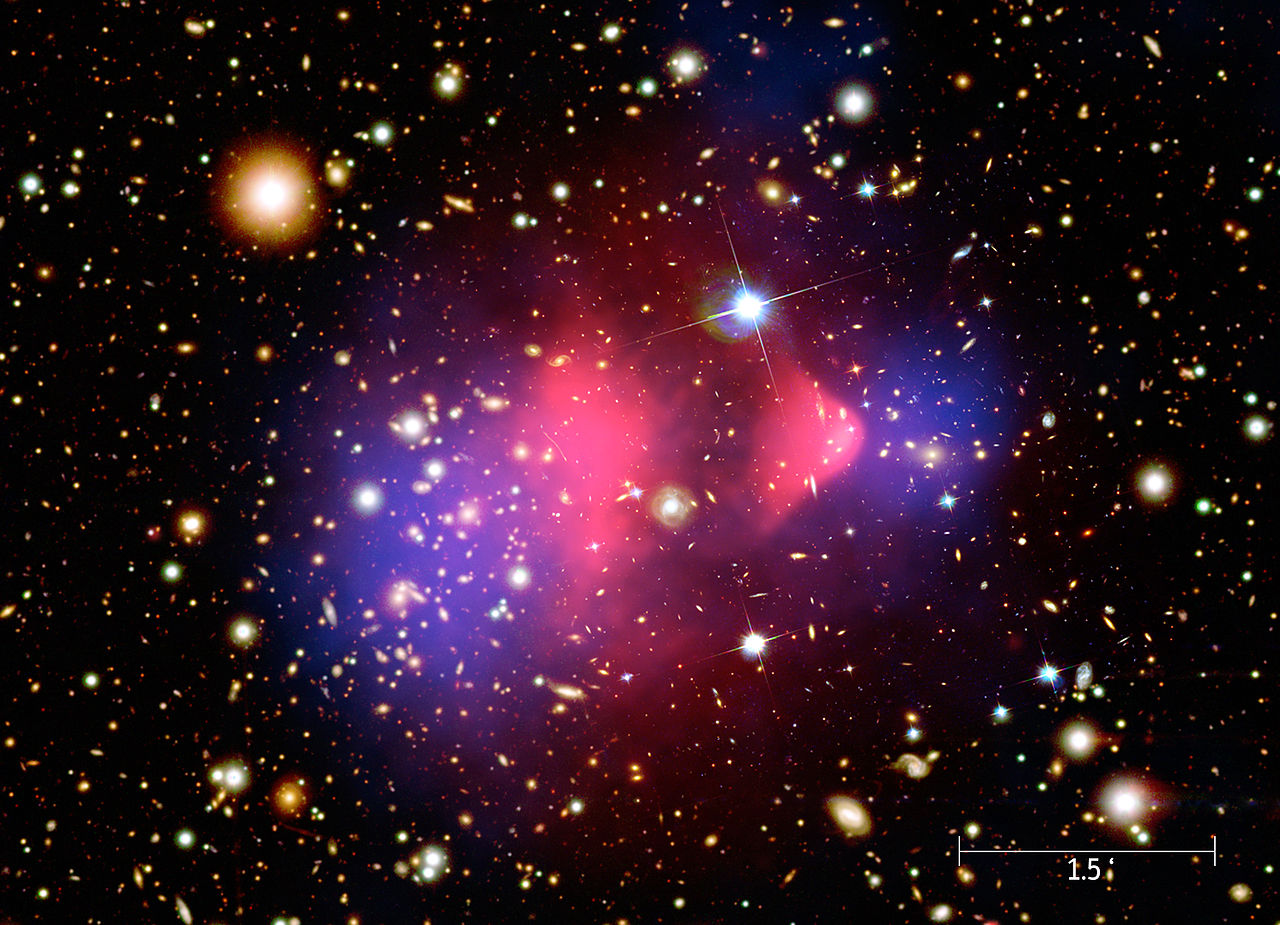
Definition and Overview of the Bullet Cluster The Bullet Cluster, officially designated as 1E 0657-56, is a remarkable astronomical system consisting of two galaxy clusters in the process of colliding. This event has become a cornerstone in astrophysics, often cited as compelling evidence for the existence of dark matter. The collision reveals a striking separation […]

Read More →

How Albert Einstein Proved Gravity Isn’t a Force

Definition of Gravity in Modern Physics Gravity, traditionally understood as the invisible force that anchors objects to Earth and governs planetary motions, has undergone a profound conceptual transformation. Rather than being a force in the classical sense-a push or pull acting at a distance-gravity is now recognized as a fundamental property of spacetime itself. This […]

Read More →

Top Journals in High Energy Physics You Should Know

Definition of High Energy Physics Journals High energy physics journals are specialized scholarly publications that serve as primary platforms for disseminating research related to the fundamental particles and forces of nature. These journals publish cutting-edge theoretical and experimental studies in areas such as quantum field theory, particle phenomenology, collider physics, and cosmology. They act as […]

Read More →

Why Is Dark Matter the Biggest Mystery in Physics?

Definition of Dark Matter Dark matter is a mysterious and invisible form of matter that constitutes approximately 27% of the universe’s total mass-energy content. Unlike ordinary matter, it does not emit, absorb, or reflect electromagnetic radiation, making it undetectable by conventional telescopes and instruments. Despite its invisibility, dark matter exerts a significant gravitational influence, shaping […]

Read More →