Positron Puzzle: Are Geminga Pulsars the Culprit?

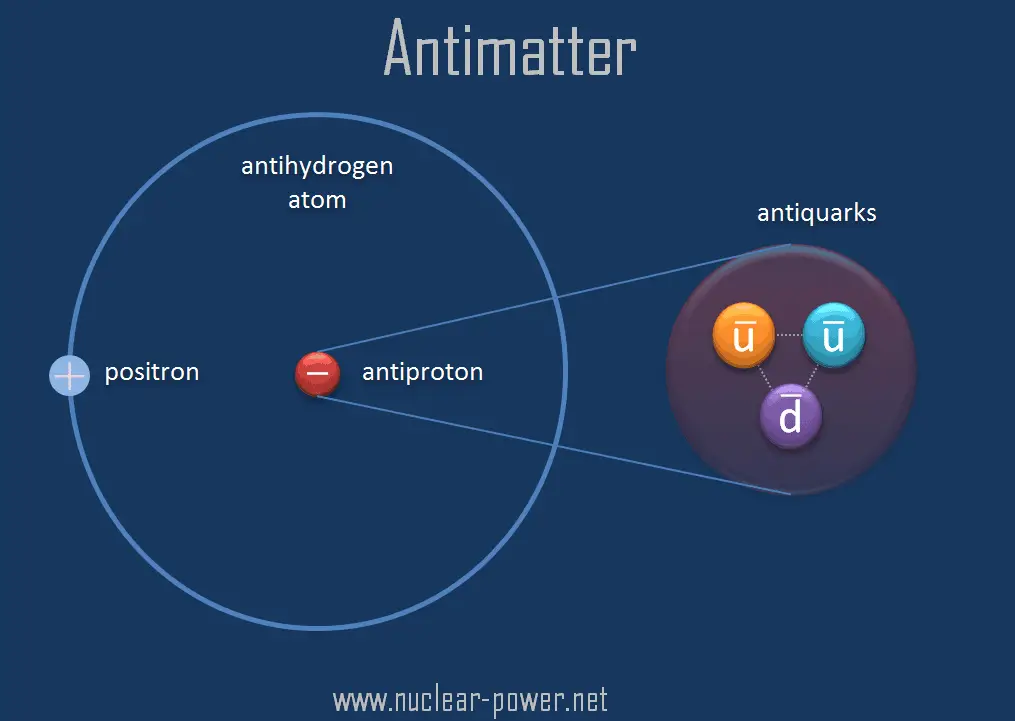
Definition of Positrons and Their Significance Positrons are the antimatter counterparts of electrons, identical in mass but carrying a positive electric charge. As fundamental particles, they play a vital role in the study of particle physics and astrophysics, offering insights into the symmetry between matter and antimatter in the universe. Their interactions with ordinary matter […]

Read More →

Evidence for Supersymmetry Found: Cracks in the Standard Model?

Overview of the Standard Model in Particle Physics The Standard Model stands as the cornerstone theoretical framework in particle physics, meticulously describing the fundamental particles and the forces that govern their interactions. It integrates three of the four known fundamental forces: electromagnetic, weak, and strong interactions. Over decades, this model has successfully predicted a wide […]

Read More →

Universe Expanding Faster? Evidence Mounts for Cosmic Acceleration

Understanding Cosmic Expansion The universe has captivated human curiosity for millennia, not only because of its stunning vistas but also due to the profound mysteries it harbors. One of the most compelling puzzles in contemporary astrophysics is whether the cosmos is expanding at an increasing rate. This question challenges long-standing cosmological models and invites a […]

Read More →

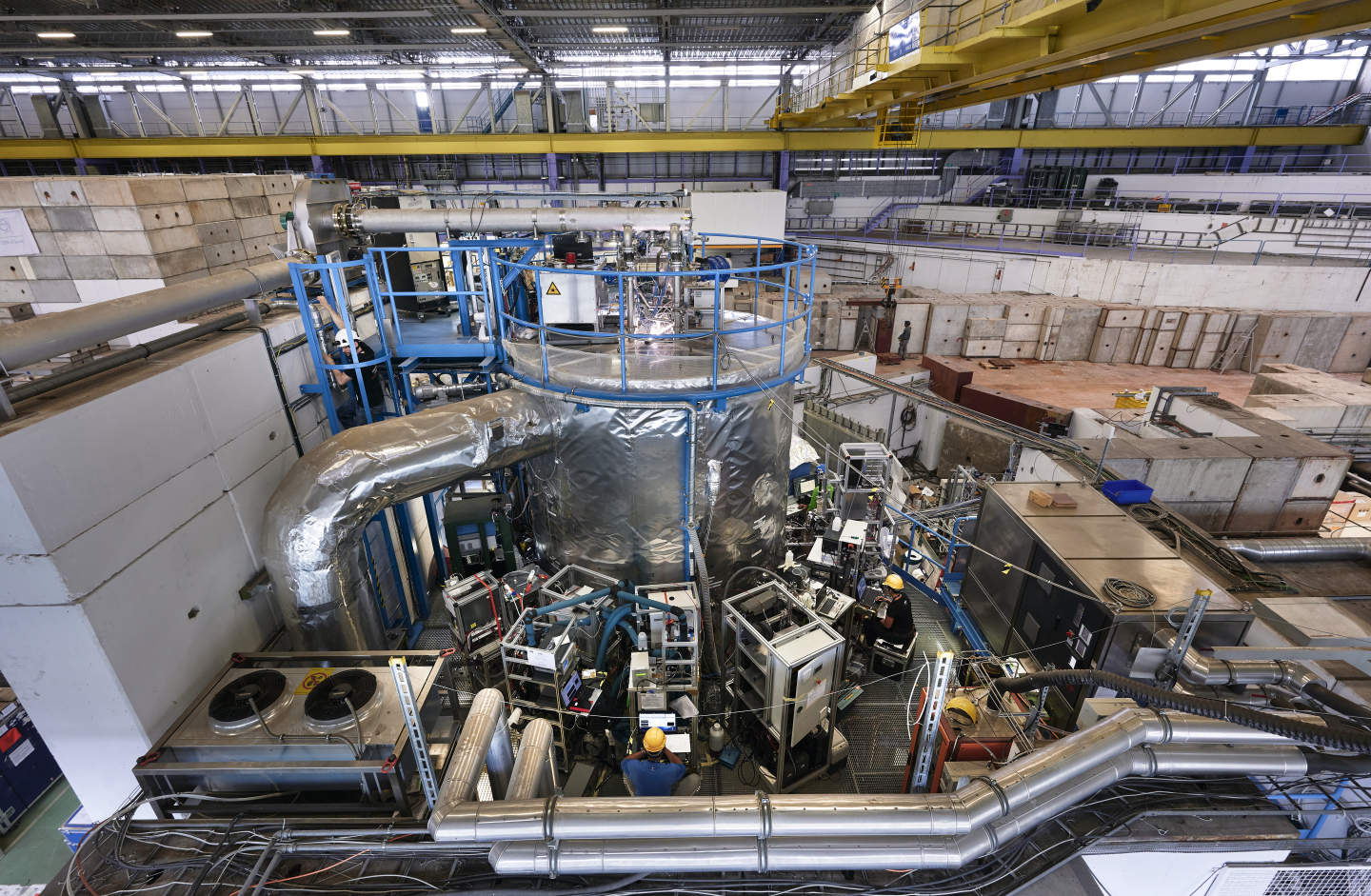
Cosmic Rays Seed Clouds? The Evidence is Striking

Definition of Cosmic Rays and Their Atmospheric Role Cosmic rays are highly energetic particles that travel through space at velocities approaching the speed of light. Originating from sources beyond Earth’s atmosphere, these particles primarily consist of protons and heavier atomic nuclei. Their continuous bombardment of our planet has intrigued scientists, particularly regarding their potential influence […]

Read More →

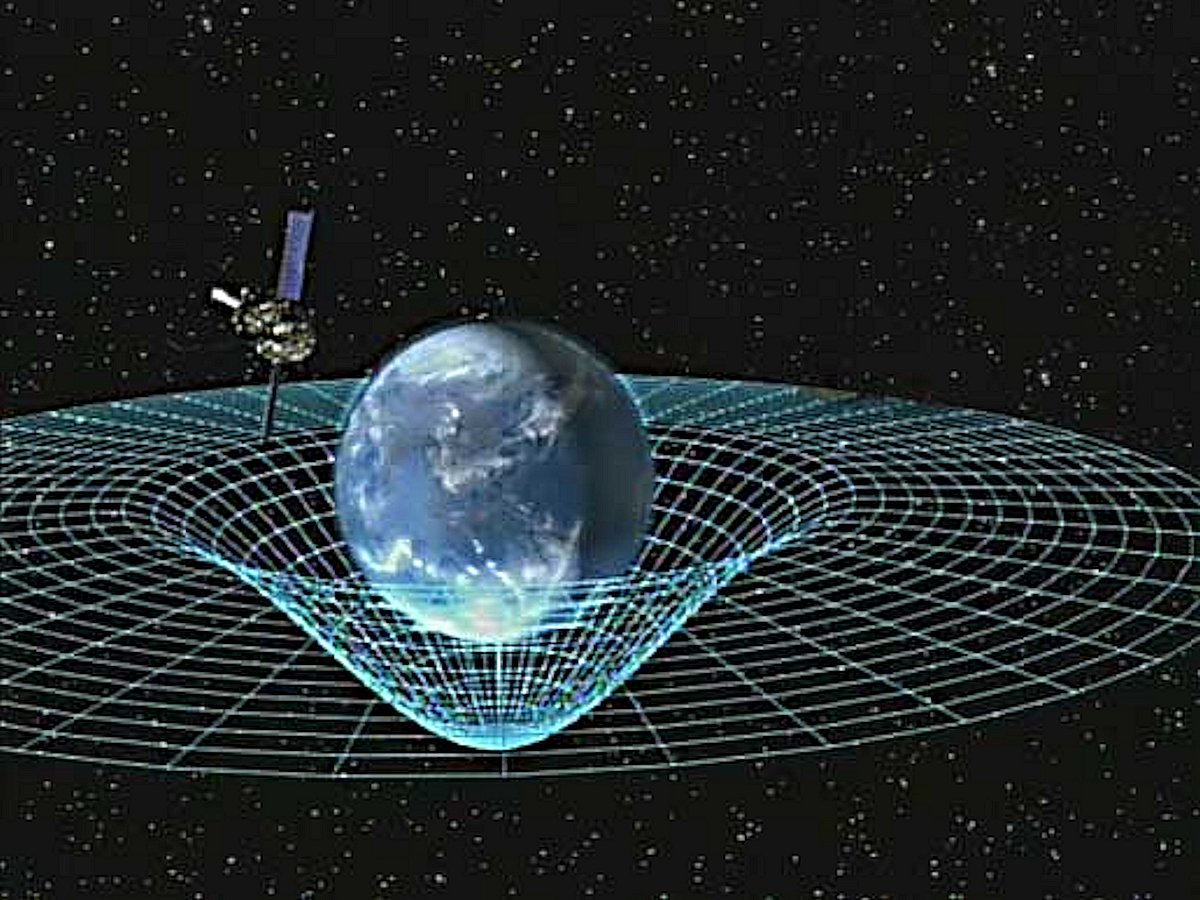
Evidence for String Theory in Gravitational Waves? The Hunt Begins

Understanding Gravitational Waves Gravitational waves are disturbances in the fabric of spacetime, generated by accelerating masses, especially during extreme cosmic events such as the collision of black holes or neutron stars. First theorized by Albert Einstein in 1916 as a consequence of his general theory of relativity, these ripples propagate outward at the speed of […]

Read More →

Evidence Mounts for Axion-like Particles: A Particle Physicist’s Dream

Definition of Axion-Like Particles (ALPs) Axion-like particles (ALPs) are hypothetical elementary particles that extend the concept of the axion, originally proposed to solve specific problems in particle physics. These particles are characterized by their extremely low mass and weak interactions with ordinary matter, making them prime candidates in the search for dark matter. ALPs are […]

Read More →

Evidence for Supersolid Firmed Up: When Solids Flow Like Liquids

Definition of Supersolids Supersolids represent a unique phase of matter that intriguingly combines the rigid, ordered structure of a solid with the frictionless flow characteristic of superfluids. Unlike conventional solids, which maintain a fixed shape due to tightly bound atoms or molecules, supersolids exhibit the ability to flow without viscosity while preserving their crystalline lattice. […]

Read More →

EXO-200 Narrows the Search for Majorana Neutrinos

Definition of Majorana Neutrinos Majorana neutrinos are a hypothesized type of neutrino proposed by physicist Ettore Majorana in 1937. Unlike conventional neutrinos, which are distinct from their antiparticles, Majorana neutrinos are theorized to be their own antiparticles. This unique property challenges existing notions of particle-antiparticle symmetry and has profound implications for particle physics and cosmology. […]

Read More →

Evidence Mounts for Unseen Neutrino Oscillations: New Physics Ahead?

Understanding Neutrinos and Their Oscillations Neutrinos are fundamental particles in the field of particle physics, known for their elusive nature and minuscule mass. Despite their abundance in the universe, detecting neutrinos is notoriously challenging due to their weak interactions with matter. A fascinating aspect of neutrino behavior is their ability to oscillate, meaning they can […]

Read More →

Excess Electrons May Reveal Hidden Dark Matter Clues

Understanding Dark Matter Dark matter is a mysterious component of the universe, accounting for roughly 27% of its total mass-energy content. Unlike ordinary matter, it neither emits nor absorbs light, making it invisible to traditional telescopes and detectors. Its presence is inferred primarily through gravitational effects on visible matter, radiation, and the large-scale structure of […]

Read More →