What is dark matter and dark energy? How was it created?

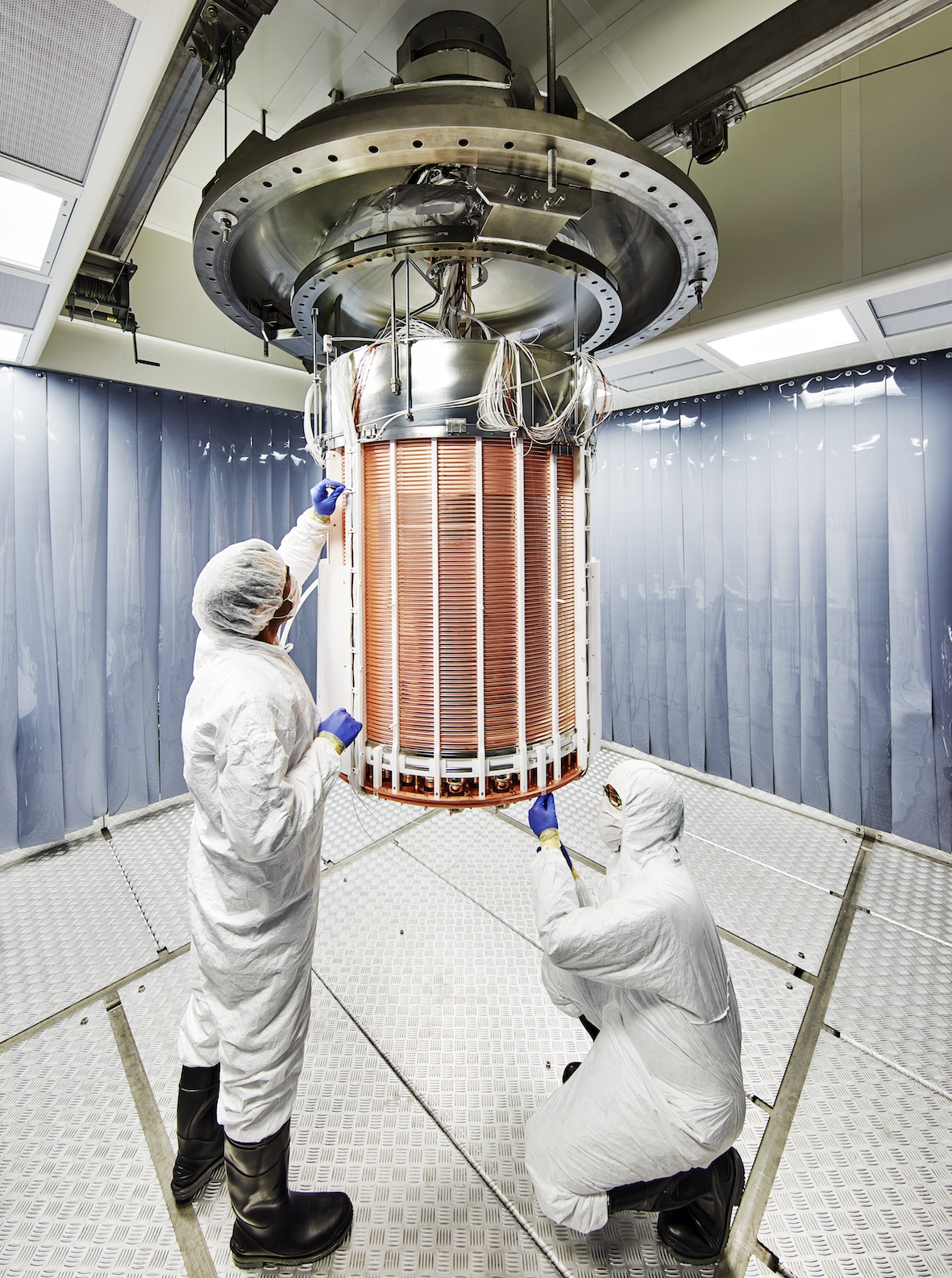
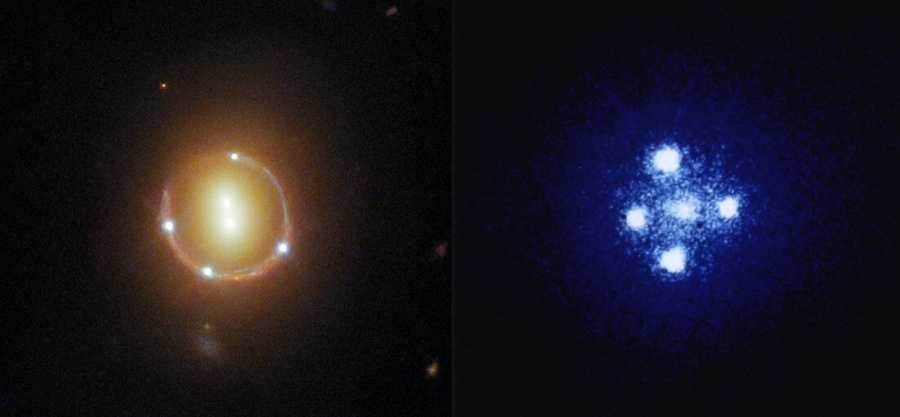
Definition of Dark Matter and Dark Energy In astrophysics, dark matter and dark energy represent two of the most intriguing and elusive components of the universe. While luminous objects such as stars and galaxies are visible through electromagnetic radiation, these dark constituents remain undetectable by conventional means, yet they dominate the universe’s mass-energy budget. Dark […]

Read More →

Astrophysicists Draw Their Wish List: Tools for Tomorrow’s Telescopes

Overview of Future Astrophysical Instruments The field of astrophysics is deeply intertwined with technological progress, with the capabilities of scientific instruments directly influencing the scope and depth of cosmic discoveries. As we look ahead, the development of next-generation telescopes promises to revolutionize how we observe and interpret the universe, offering enhanced precision and novel insights […]

Read More →

Reclaiming the Night: Astronomers Battle Light Pollution

Understanding Light Pollution Light pollution refers to the excessive or improperly directed artificial illumination that obscures the natural darkness of the night sky. This phenomenon has become increasingly widespread due to urbanization and technological development, significantly altering the nocturnal environment. Common contributors include streetlights, illuminated billboards, neon signs, and residential lighting, all of which combine […]

Read More →

China Launches Moon Mission: Lunar Ambitions Reignite

Overview of China’s Lunar Exploration Initiative China’s renewed focus on lunar exploration has captured global attention with the recent launch of its latest moon mission. This milestone represents a pivotal chapter in the nation’s expanding space program, drawing worldwide interest in its strategic goals, technological approaches, and the broader consequences for international space endeavors. As […]

Read More →

Dust Watcher CODAG Chronicles Cosmic Clumps

Definition of Cosmic Dust Cosmic dust consists of tiny particles dispersed throughout space, primarily made up of silicates, carbon-based compounds, and various ices. These microscopic grains originate from diverse cosmic phenomena such as the remnants of dying stars, supernova explosions, and material accumulation within protoplanetary disks. Far from being insignificant debris, cosmic dust forms a […]

Read More →

Exploding Stars Silent Space: No Gravitational Waves Detected

Understanding Silent Supernovae Within the vast expanse of the cosmos, the explosive deaths of massive stars, known as supernovae, have long been expected to produce detectable gravitational waves-ripples in the fabric of spacetime. Yet, recent observations reveal a puzzling quietness: many supernovae appear to occur without the anticipated gravitational wave signals. This unexpected silence challenges […]

Read More →

Cosmic Strings Simulated in a Test Tube: Tiny Threads of the Universe

Definition of Cosmic Strings Cosmic strings are theoretical, one-dimensional topological defects believed to have formed during the early moments of the universe. These hypothetical structures are thought to be remnants of phase transitions that occurred shortly after the Big Bang, analogous to cracks forming in a cooling solid. Despite their incredibly thin dimensions-potentially narrower than […]

Read More →

How fast are the particles in cosmic rays?

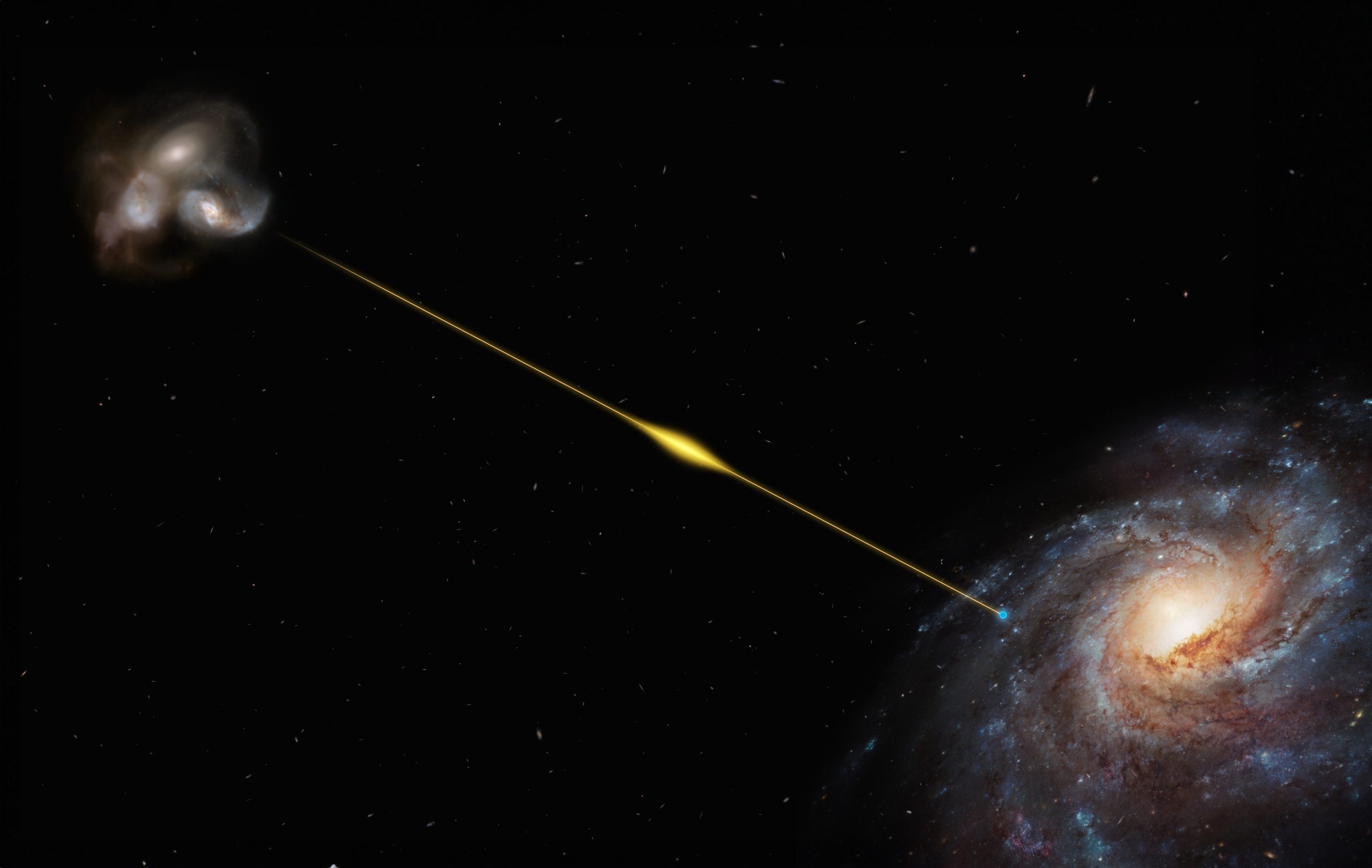
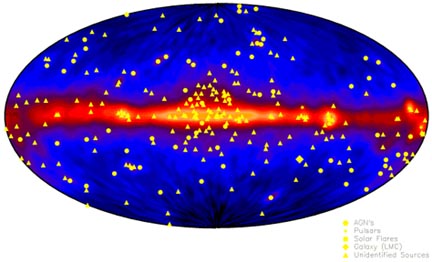
Definition of Cosmic Rays Cosmic rays are highly energetic particles originating from outer space that travel vast interstellar distances before reaching Earth. These particles primarily consist of protons but also include heavier atomic nuclei, electrons, and positrons. They are broadly classified into two categories: Primary Cosmic Rays: These originate from extraterrestrial sources such as supernova […]

Read More →

Can the speed of cosmic rays be measured?

Definition of Cosmic Rays Cosmic rays are highly energetic particles originating from outer space, primarily composed of protons, with smaller proportions of atomic nuclei and electrons. These particles emerge from diverse astrophysical phenomena such as supernova explosions, active galactic nuclei, and solar emissions. Upon entering Earth’s atmosphere, cosmic rays interact with atmospheric nuclei, producing extensive […]

Read More →