
Short Answer
Definition of Space Telescope Maintenance
Space telescopes are advanced observational instruments positioned hundreds of miles above Earth, designed to capture detailed images and data from the cosmos. Maintaining these telescopes involves a series of complex procedures aimed at preserving their functionality and precision despite the harsh conditions of space. This maintenance includes repair, recalibration, and upgrades to ensure continuous, high-quality astronomical observations.
- Space Environment Challenges:
Exposure to micrometeoroids, cosmic radiation, and vacuum conditions can degrade telescope components over time. - Serviceability Design:
Telescopes are engineered with modular parts and repair-friendly features to facilitate in-orbit servicing.
Historical Perspective: The Hubble Space Telescope Servicing Missions
Launched in 1990, the Hubble Space Telescope stands as a pioneering example of successful in-orbit repair and maintenance. Over nearly two decades, astronauts conducted five servicing missions using the Space Shuttle, performing intricate tasks such as replacing gyroscopes, upgrading scientific instruments, and installing new solar panels. These missions required precise coordination between ground teams, spacewalkers, and robotic systems, showcasing human courage and technical mastery in the unforgiving environment of space.
Engineering for Repairability in Space
Unlike typical consumer electronics, space telescopes are designed with foresight to accommodate repairs and upgrades in microgravity. This involves creating modular architectures where critical components can be detached and replaced by astronauts wearing bulky gloves. Connectors, latches, and panels incorporate fail-safe mechanisms to ensure operability during extravehicular activities. Such design principles enhance the telescope’s resilience against gradual wear and unexpected failures.
Transition to Robotic Servicing Missions
Following the retirement of the Space Shuttle program, NASA shifted focus towards robotic servicing technologies. These autonomous or remotely operated spacecraft are equipped with dexterous robotic arms, specialized tools, and advanced sensors to perform delicate maintenance tasks without human presence. Robotic servicing includes tightening fasteners, adjusting antennas, and fine-tuning optical components, marking a new era of safer, more cost-effective space telescope upkeep.
Innovations in In-Orbit Calibration
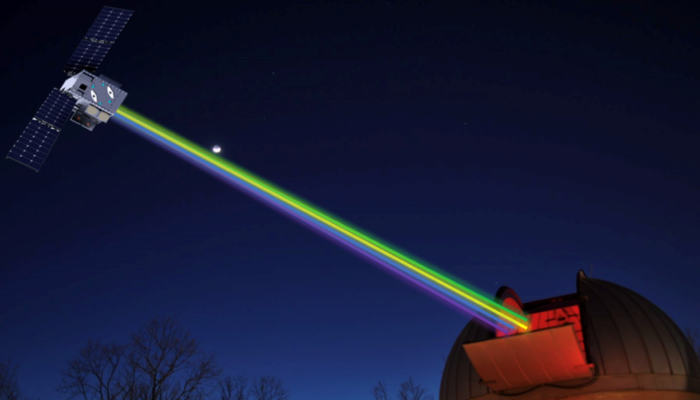
One of the cutting-edge advancements in telescope maintenance is the use of artificial reference points for calibration. NASA has experimented with deploying artificial stars-precise light sources in space-to serve as benchmarks for Earth-based and orbital telescopes. This approach enables real-time adjustments of mirrors and sensors, maintaining observational accuracy without the need for physical repairs. Such proactive calibration techniques exemplify the integration of precision control in space operations.
Modular Payloads and Upgradeable Spacecraft
Future telescope designs increasingly embrace modularity, allowing spacecraft to function as assemblages of interchangeable components. This “plug-and-play” concept facilitates the replacement of outdated instruments or malfunctioning subsystems, transforming telescopes into adaptable platforms. Modular payloads not only simplify maintenance but also enable continuous technological upgrades, extending the scientific relevance of space observatories well beyond their initial missions.
The Synergy of Human and Robotic Efforts
The ongoing evolution of space telescope maintenance hinges on the collaboration between human ingenuity and robotic innovation. Lessons from past servicing missions inform the development of next-generation observatories like the James Webb Space Telescope, fostering a paradigm where telescopes are dynamic partners in exploration. Through precise interventions-whether by astronauts or robots-these instruments are continuously refined, calibrated, and enhanced to meet emerging scientific challenges.
Significance of Space Telescope Maintenance
Maintaining space telescopes is crucial not only for extending their operational lifespan but also for advancing our understanding of the universe. Each repair mission symbolizes humanity’s relentless pursuit of knowledge and resilience in the face of cosmic adversity. By transforming these observatories from static devices into actively managed assets, we deepen our connection to the cosmos and ensure that our celestial observations remain sharp and insightful.
Common Misconceptions About Space Telescope Repairs
Space telescopes are designed to operate indefinitely without maintenance.
Despite robust engineering, space telescopes inevitably experience degradation and require periodic servicing to maintain optimal performance.
Only astronauts can perform repairs on space telescopes.
While astronauts have historically conducted repairs, robotic servicing missions are increasingly capable of performing complex maintenance tasks autonomously or via remote control.
Real-World Examples of Space Telescope Servicing
The Hubble Space Telescope’s five servicing missions remain the most celebrated examples of in-orbit repair, involving tasks such as instrument replacement and mirror realignment. More recently, robotic servicing concepts are being tested to extend the life of satellites and telescopes without human intervention. Additionally, NASA’s experiments with artificial stars for calibration demonstrate innovative approaches to maintaining observational precision in space.
FAQ
How does NASA maintain space telescopes?
NASA maintains space telescopes through a combination of human-led servicing missions and robotic technologies designed for in-orbit repairs.
What are the main challenges faced by space telescopes?
Space telescopes face challenges such as exposure to micrometeoroids, cosmic radiation, and vacuum conditions that can degrade their components.
Can robotic systems perform repairs on space telescopes?
Yes, NASA is increasingly utilizing robotic systems to perform complex maintenance tasks on space telescopes autonomously.
Leave a Reply