
Short Answer
Definition of James Webb Space Telescope Imagery
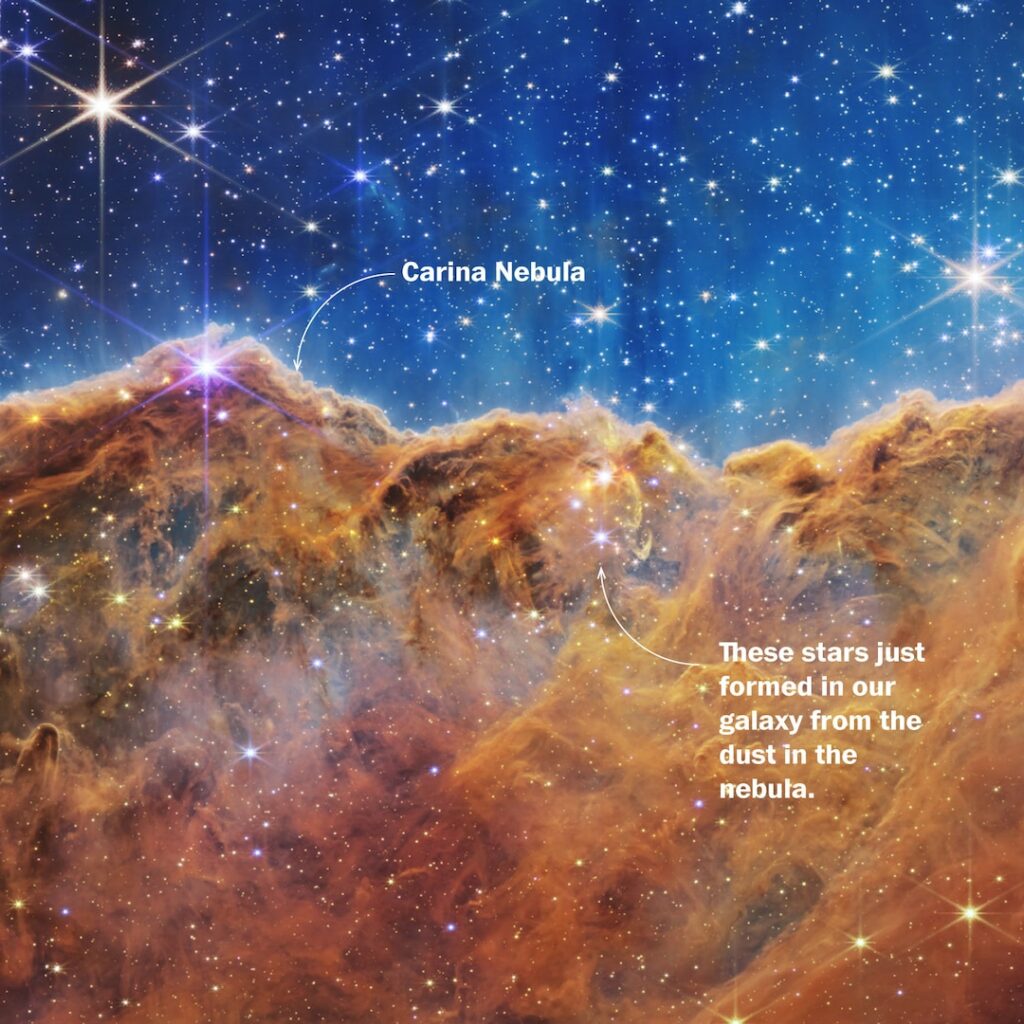
The James Webb Space Telescope (JWST) produces images that serve as profound windows into the universe, capturing light that has journeyed across vast stretches of time and space. Unlike traditional telescopes that primarily observe visible light, JWST specializes in infrared imaging, revealing cosmic phenomena hidden from ordinary sight. These images are not mere photographs but intricate visual narratives that decode the universe’s history and structure through the language of infrared light.
Infrared Vision: Unlocking Hidden Cosmic Realms
At the core of JWST’s imaging capability is its sensitivity to the infrared spectrum. Infrared light, characterized by longer wavelengths than visible light, can penetrate dense clouds of cosmic dust and gas that typically obscure celestial objects. This allows JWST to peer into stellar nurseries-regions where new stars are born-shrouded within nebulae that are otherwise invisible. By unveiling these obscured regions, JWST provides unprecedented insights into the early stages of star formation and the dynamic processes shaping the cosmos.
Exploring Cosmic Phenomena Through JWST Images
JWST’s images reveal a rich tapestry of cosmic events and structures. For example, when observing supernova remnants-the aftermath of massive stellar explosions-the telescope captures intricate patterns of magnetic filaments and elemental clouds glowing with ethereal light. These visuals illustrate the cycle of destruction and creation that governs matter in the universe. Additionally, JWST’s detailed views of distant galaxies showcase ancient star systems, interstellar gas clouds, and stellar remnants, some so remote that their light began traveling when the universe was in its infancy. These images act as time capsules, offering glimpses into the universe’s formative epochs.
Color and Texture: The Artistry Behind Infrared Data
The images from JWST are often presented in false color, a technique that translates infrared data into visible hues to help human observers interpret the information. These colors are not arbitrary; they correspond to different elements, temperatures, and physical conditions within celestial objects. This chromatic coding transforms raw scientific data into vivid, informative visuals that communicate complex astrophysical phenomena in an accessible and aesthetically compelling manner.
Dynamic Cosmic Processes Captured by JWST
Beyond static snapshots, JWST’s imagery captures evolving cosmic events. From the swirling disks of material accreting onto young stars to the turbulent interactions between colliding galaxies, each image documents ongoing processes that shape the universe. This temporal dimension allows scientists to study the mechanics of cosmic evolution in real time, turning JWST into a powerful tool for understanding phenomena that were previously only theoretical.
Insights into Exoplanetary Systems
JWST also extends its gaze to planets beyond our solar system, analyzing the atmospheres of exoplanets to detect chemical signatures. These observations provide clues about the potential habitability of distant worlds, offering a glimpse into environments that might support life. By revealing the composition and conditions of exoplanet atmospheres, JWST broadens our understanding of planetary diversity and the possibility of life elsewhere in the cosmos.
The Intersection of Science and Visual Storytelling
The images produced by JWST embody a unique fusion of scientific precision and artistic expression. Each pixel conveys a story of cosmic creation, transformation, and destiny, inviting both researchers and the public to engage with the universe on intellectual and emotional levels. This blend of empirical data and evocative imagery fosters a deeper appreciation of the cosmos and humanity’s quest to comprehend it.
Significance of JWST Imagery in Astronomy and Beyond
JWST’s images are more than scientific records; they are gateways to expanding human knowledge and imagination. By revealing previously unseen aspects of the universe, these images challenge and inspire us to rethink our place in the cosmic order. As symbols of human ingenuity and curiosity, JWST’s visual discoveries propel a collective journey toward greater understanding of the universe’s origins, structure, and potential for life.
FAQ
What type of images does the James Webb Space Telescope capture?
The James Webb Space Telescope captures infrared images that reveal cosmic phenomena obscured from visible light.
How does JWST enhance our understanding of the universe?
JWST provides insights into star formation, galaxy evolution, and the potential for life on exoplanets through its advanced imaging capabilities.


Leave a Reply