Cosmic Ray Theory Gets the Cold Shoulder—Again

Definition of the Cosmic Ray Climate Change Hypothesis The cosmic ray theory of climate change suggests a direct link between cosmic ray activity and Earth’s weather patterns. It proposes that variations in cosmic ray intensity influence cloud formation, which in turn affects global climate. Although this idea periodically resurfaces in public discussions, it remains a […]

Read More →

Wish Upon a Star (List): What Astrophysicists Want Next

Understanding the Aspirations of Astrophysicists When contemplating the vastness of the universe, one might whimsically wonder: if astrophysicists could make a wish upon a star, what scientific goals would they hope to achieve? This imaginative question masks a deeper reflection on the current challenges and ambitions driving the field of astrophysics. Researchers are engaged in […]

Read More →

How are cosmic rays produced?

Definition of Cosmic Rays Cosmic rays are highly energetic particles originating from outer space that continuously bombard the Earth. These particles primarily consist of protons but also include heavier atomic nuclei and, less frequently, high-energy electrons. Their study is crucial for understanding both fundamental physics and the broader workings of the universe. Composition: Mainly protons, […]

Read More →

Astrophysicists Win Euro Prize: Rewarded for Rethinking the Universe

Overview of the Euro Prize in Astrophysics Recently, three distinguished astrophysicists were honored with the esteemed Euro Prize, a recognition celebrating their pioneering contributions to unraveling the universe’s complex structure. This award highlights a transformative shift in astrophysical research, marking a new era in the exploration of cosmology, gravitation, and the fundamental nature of reality. […]

Read More →

Thinking Big: The Astrophysicist with a Universe-Sized Vision

Definition of Astrophysics Astrophysics is a multidisciplinary scientific field that merges the vastness of the universe with the fundamental principles of physics. It serves as a platform for human curiosity and intellectual exploration, aiming to understand the nature and behavior of celestial bodies and cosmic phenomena. Astrophysicists combine analytical skills, creativity, and a deep philosophical […]

Read More →

GLUONS – Theo-Astro Physics?

Definition of Gluons Gluons are fundamental particles that act as the force carriers responsible for binding quarks together within atomic nuclei. They operate within the framework of quantum chromodynamics (QCD), the theory describing the strong interaction, one of the four fundamental forces of nature. Unlike other force carriers, gluons are unique in their ability to […]

Read More →

How is photonics related to astrophysics?

Definition of Photonics and Astrophysics Photonics is the scientific field focused on the generation, control, and detection of photons, the fundamental particles of light. It encompasses a broad range of technologies that manipulate light for various applications, from communication to sensing. Astrophysics is the branch of astronomy that studies the physical properties and underlying phenomena […]

Read More →

What do you study in particle physics and astrophysics?

Overview of Particle Physics and Astrophysics Particle physics and astrophysics are two captivating branches of physics that explore the universe from vastly different scales yet remain deeply interconnected. While particle physics investigates the smallest building blocks of matter, astrophysics examines the grandest cosmic structures and phenomena. Together, these disciplines address fundamental questions about the universe’s […]

Read More →

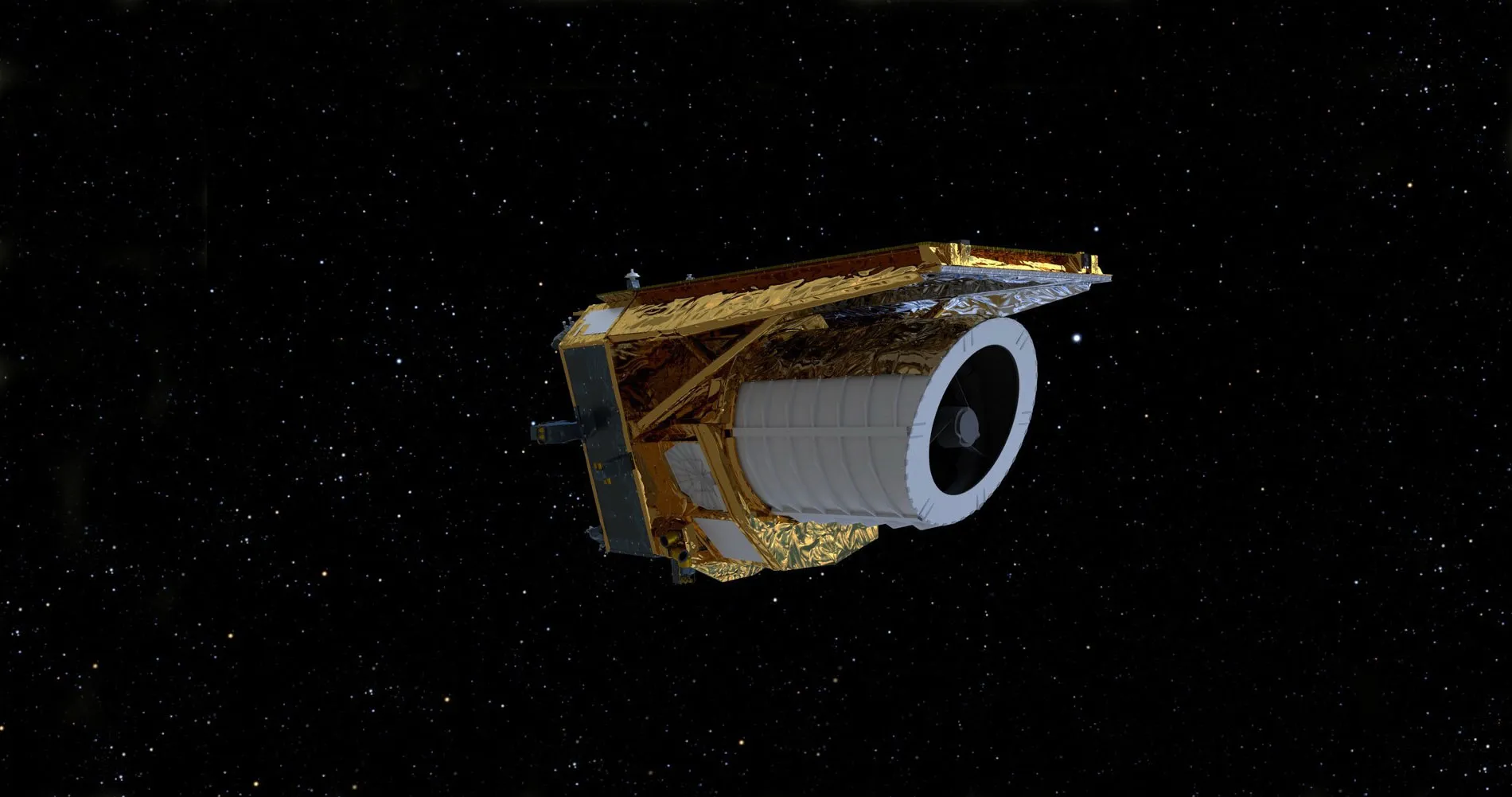
Astrophysicists Draw Their Wish List: Tools for Tomorrow’s Telescopes

Overview of Future Astrophysical Instruments The field of astrophysics is deeply intertwined with technological progress, with the capabilities of scientific instruments directly influencing the scope and depth of cosmic discoveries. As we look ahead, the development of next-generation telescopes promises to revolutionize how we observe and interpret the universe, offering enhanced precision and novel insights […]

Read More →

Can the speed of cosmic rays be measured?

Definition of Cosmic Rays Cosmic rays are highly energetic particles originating from outer space, primarily composed of protons, with smaller proportions of atomic nuclei and electrons. These particles emerge from diverse astrophysical phenomena such as supernova explosions, active galactic nuclei, and solar emissions. Upon entering Earth’s atmosphere, cosmic rays interact with atmospheric nuclei, producing extensive […]

Read More →