
Short Answer
Definition of Astrophysics
Astrophysics is a branch of science dedicated to understanding the physical properties and underlying processes of celestial bodies and the universe as a whole. It merges principles from physics and astronomy to explore phenomena ranging from the behavior of stars and galaxies to the fundamental nature of space and time.
- Scope:
Investigates the mechanics, composition, and evolution of astronomical objects and cosmic events. - Interdisciplinary Nature:
Combines theoretical frameworks with observational data to explain the universe’s workings.
Foundational Knowledge Required
Embarking on the study of astrophysics necessitates a strong grasp of core scientific disciplines, particularly physics and mathematics. These subjects provide the essential tools to decode the universe’s complex language.
- Mathematics:
Proficiency in algebra, calculus, vector calculus, differential equations, and linear algebra is crucial, as these areas form the mathematical backbone for modeling cosmic phenomena. - Physics:
Understanding classical mechanics, thermodynamics, electromagnetism, and quantum mechanics lays the groundwork for interpreting astrophysical concepts such as planetary motion, energy transfer, and particle behavior in space.
Progressing to Astrophysics Concepts
After establishing a solid foundation in math and physics, learners can delve into astrophysics-specific topics. Introductory materials that simplify complex ideas help bridge the gap between basic science and advanced cosmic theories.
- Key Topics:
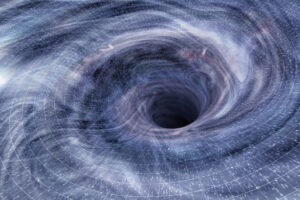
Spacetime structure, gravitational lensing, stellar life cycles, and cosmic background radiation are fundamental subjects to explore. - Terminology:
Familiarity with specialized vocabulary is essential for deeper engagement with scientific literature and discussions.
Utilizing Multimedia and Interactive Resources
Incorporating diverse learning tools enhances comprehension by providing visual and experiential context to abstract astrophysical principles.
- Documentaries and Lectures:
Visual media and expert talks offer accessible explanations and current research insights. - Simulations and Online Courses:
Interactive platforms allow learners to visualize phenomena like star formation and dark matter dynamics, reinforcing theoretical knowledge.
Hands-On Experience in Observational Astrophysics
Practical engagement complements theoretical study by fostering an intuitive understanding of celestial mechanics and observational techniques.
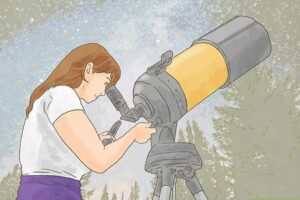
- Amateur Astronomy:
Using telescopes to observe planets, stars, and galaxies helps develop skills in identifying and tracking celestial objects. - Community Involvement:
Joining astronomy clubs and participating in citizen science projects encourages collaboration and shared learning.
Data Analysis and Computational Skills
Modern astrophysics heavily relies on processing large volumes of data collected from telescopes and space missions. Acquiring computational expertise is therefore indispensable.
- Programming Languages:
Learning Python, MATLAB, or R enables effective manipulation and interpretation of astronomical datasets. - Analytical Tools:
Familiarity with statistical and numerical methods supports rigorous examination of cosmic phenomena.
Historical and Philosophical Context
Understanding the evolution of astrophysical thought enriches one’s perspective on scientific progress and methodology.
- Scientific Milestones:
From Copernicus’s heliocentric model to Einstein’s theory of relativity, tracing these developments highlights the dynamic nature of scientific inquiry. - Philosophical Insights:
Reflecting on how paradigms shift encourages critical thinking and appreciation for the iterative process of knowledge acquisition.
Engagement with Academic Research
As proficiency grows, interacting with scholarly articles and journals becomes vital for staying informed about the forefront of astrophysical discoveries.
- Reading Strategies:
Learning to efficiently extract key information from abstracts and methodologies aids comprehension. - Continuous Learning:
Subscribing to open-access publications and attending seminars fosters ongoing education and awareness of emerging debates.
Common Misconceptions About Learning Astrophysics
Astrophysics is only for geniuses.
While challenging, with dedication and structured learning, anyone can develop a strong understanding.
It requires memorizing facts rather than understanding concepts.
Astrophysics emphasizes conceptual comprehension and analytical thinking over rote memorization.
Importance of Astrophysics
Astrophysics plays a crucial role in expanding humanity’s knowledge of the universe, driving technological innovation, and inspiring curiosity about our place in the cosmos. Its applications extend beyond pure science, influencing fields such as navigation, telecommunications, and environmental monitoring.
Strategies for Effective Learning
Maintaining motivation and progress in astrophysics involves setting clear goals and adopting a systematic approach to study.
- Structured Planning:
Creating a roadmap with achievable milestones, such as mastering specific topics or completing projects, helps sustain momentum. - Patience and Persistence:
Embracing challenges and viewing difficulties as opportunities for growth fosters resilience and deeper insight.
Conclusion: The Journey into the Cosmos
Studying astrophysics is akin to navigating an intricate cosmic maze, inviting learners to question, analyze, and marvel at the universe’s mysteries. Through a blend of foundational knowledge, practical experience, and continuous curiosity, even novices can illuminate the vast expanse of space, uncovering the profound wonders that lie beyond our everyday experience.
FAQ
What is astrophysics?
Astrophysics is a branch of science that combines physics and astronomy to study celestial bodies and the universe.
Do I need a strong math background to learn astrophysics?
Yes, proficiency in mathematics is crucial for understanding astrophysical concepts.
How can I start learning astrophysics?
Begin with foundational courses in physics and mathematics, then explore astrophysics-specific topics through resources like online courses and documentaries.
Leave a Reply