Is a quantum computer still a digital computer?

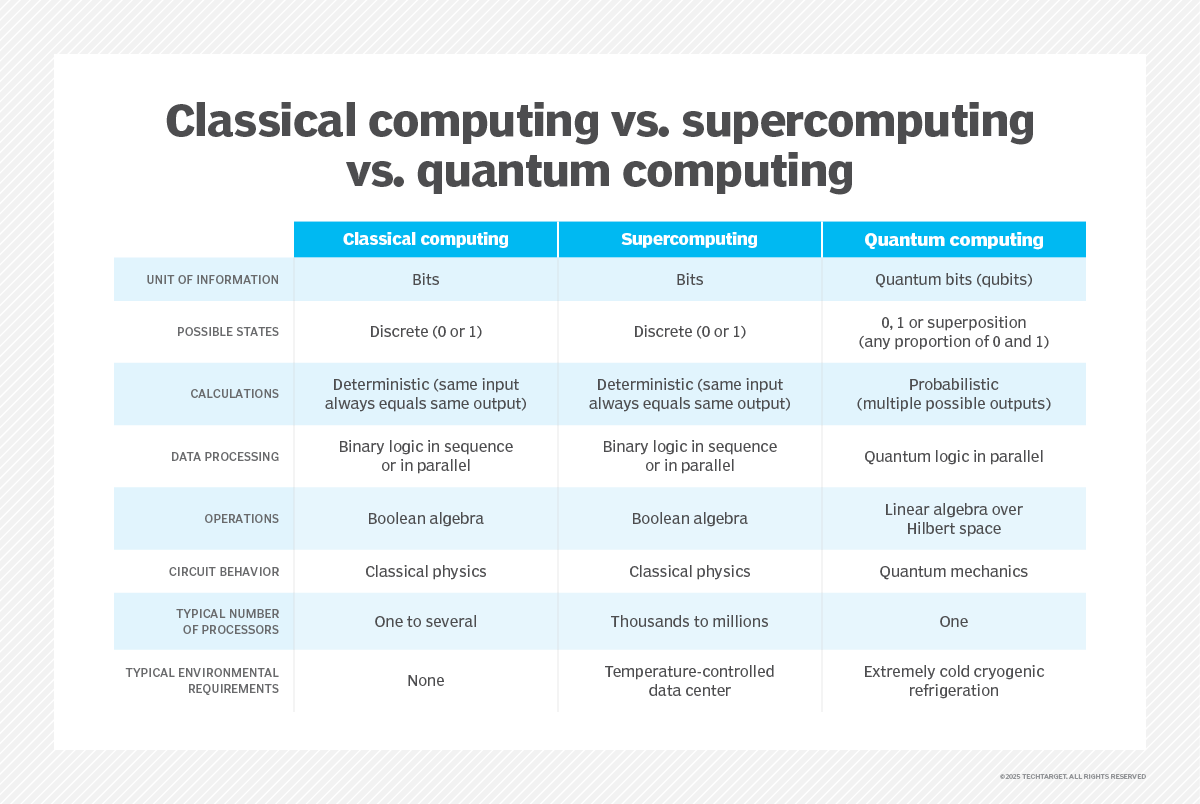
Understanding Quantum and Classical Computing The rapid evolution of technology has brought quantum computing to the forefront, sparking intense discussions about its classification relative to traditional digital computers. To explore whether a quantum computer qualifies as a digital computer, it is essential to grasp the fundamental principles behind both classical and quantum computation, as well […]

Read More →

Can a quantum computer run Linux?

Understanding Quantum Computing Quantum computing represents a revolutionary shift in how we approach computational processes. Unlike traditional computers that rely on bits as the smallest unit of data, quantum computers utilize quantum bits, or qubits. These qubits exploit quantum phenomena such as superposition and entanglement, allowing them to exist in multiple states simultaneously. This unique […]

Read More →

What is the quantum computer physically?

Definition of a Quantum Computer A quantum computer is an advanced computational device that exploits the principles of quantum mechanics to process information in ways unattainable by classical computers. Unlike traditional systems that use binary bits, quantum computers utilize quantum bits or qubits, which enable them to perform complex calculations more efficiently by leveraging quantum […]

Read More →

Is it possible to build a quantum computer with Lego?

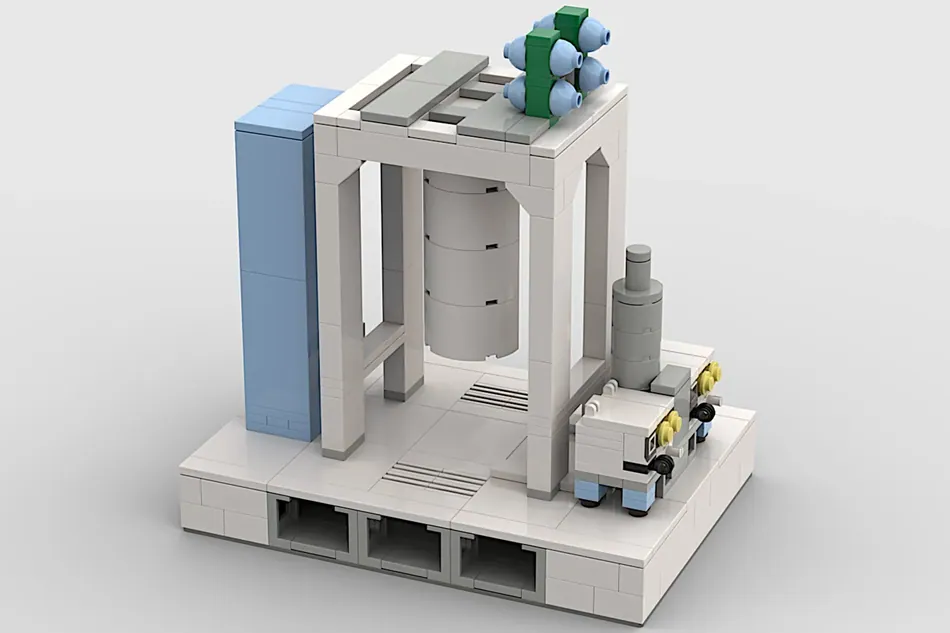
Understanding the Concept of a Lego Quantum Computer The idea of building a quantum computer using Lego-a toy celebrated for its adaptability and imaginative potential-elicits a wide range of reactions, from skepticism to excitement. This concept sparks intellectual intrigue by merging the playful nature of Lego with the sophisticated realm of quantum computing. Quantum computers […]

Read More →

Will we ever have a quantum computer on the chip?

Understanding Quantum Computing Quantum computing marks a revolutionary transformation in how computations are performed. Unlike traditional computers that use bits as the fundamental unit of data-each bit representing either a 0 or a 1-quantum computers utilize quantum bits, or qubits. These qubits can exist in a superposition, meaning they can represent multiple states simultaneously. This […]

Read More →

When will the first quantum computer be released?

Understanding Quantum Computing Quantum computing represents a groundbreaking frontier in modern science and technology, characterized by its blend of immense potential and inherent uncertainty. At its core, this technology challenges conventional computing paradigms by harnessing the principles of quantum mechanics, raising profound questions about its future availability and societal impact. Fundamental Concepts of Quantum Computing […]

Read More →

When will we have a 1 000 000 qubit quantum computer?

Definition of Quantum Computing Quantum computing represents a revolutionary approach to information processing that fundamentally differs from classical computing. Instead of relying on bits, which are binary units representing either 0 or 1, quantum computers use quantum bits or qubits. These qubits can exist in a superposition state, meaning they simultaneously hold both 0 and […]

Read More →

Does FPGA simulate quantum computer make sense?

Understanding FPGA-Based Quantum Computer Simulation In the rapidly evolving domain of quantum computing, a pivotal question arises: Is it practical to use Field-Programmable Gate Arrays (FPGAs) to emulate quantum computers? Exploring this question leads us into a fascinating convergence of classical and quantum computational models, where the boundaries between traditional and quantum paradigms blur, opening […]

Read More →

What is a quantum computer? – Physics-Only?

Understanding Quantum Computing Quantum computing represents a revolutionary approach to processing information, captivating experts across physics, engineering, and mathematics. It challenges the boundaries of classical computing by proposing solutions to problems that traditional computers find impractical or impossible to solve. This raises a fundamental inquiry: is quantum computing simply an advanced iteration of classical computing, […]

Read More →

How close are we to a ‘real’ quantum computer?

Understanding Quantum Computing Quantum computing represents a revolutionary leap in computational technology, captivating researchers, engineers, and futurists worldwide. Unlike classical computers that operate using binary bits (0s and 1s), quantum computers harness quantum bits or qubits, which can exist simultaneously in multiple states due to the principle of superposition. This unique property allows quantum machines […]

Read More →