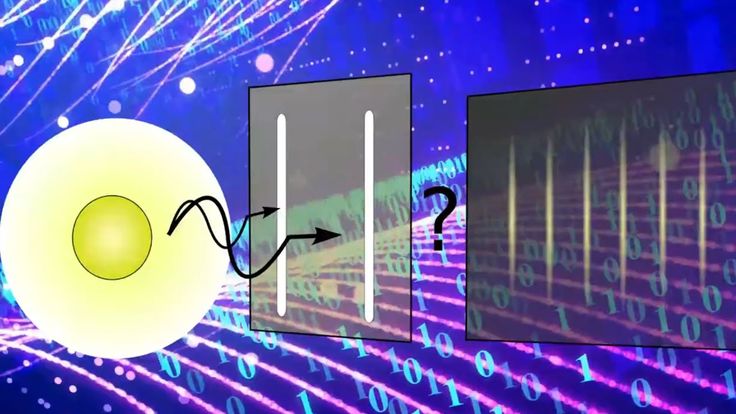
What is a quantum computer? Can anybody describe it?

Understanding Quantum Computing Quantum computing represents a revolutionary shift in the way information is processed, diverging fundamentally from classical computing paradigms. While traditional computers operate using bits that exist strictly as either 0 or 1, quantum computers utilize quantum bits, or qubits, which can simultaneously embody multiple states. This capability arises from the principles of […]
Read More →

How much does a 1 million qubit quantum computer cost?

Understanding Quantum Computing Quantum computing represents a groundbreaking advancement in technology, captivating researchers, engineers, and investors worldwide. Unlike traditional computers that use bits as the smallest unit of data, quantum computers utilize quantum bits or qubits. These qubits can exist simultaneously in multiple states due to the principle of superposition, enabling quantum machines to process […]

Read More →

Has Amazon achieved a quantum computer?

Understanding Quantum Computing Quantum computing represents a revolutionary paradigm in the field of computation, diverging fundamentally from classical computing methods. Instead of relying on traditional bits that exist in a state of either 0 or 1, quantum computers operate using quantum bits, or qubits. These qubits possess the unique ability to exist simultaneously in multiple […]

Read More →

up to Is the D-Wave One a true quantum computer?

Understanding Quantum Computing Quantum computing represents a revolutionary approach to processing information, fundamentally differing from classical computing by utilizing the principles of quantum mechanics. Instead of classical bits, which exist strictly as 0 or 1, quantum computers use quantum bits or qubits. These qubits possess the unique ability to exist in multiple states simultaneously through […]

Read More →

What could be more powerful than a quantum computer?

Understanding Computational Paradigms Beyond Quantum Computing As the landscape of computation rapidly advances, quantum computers have emerged as groundbreaking devices, sparking widespread fascination about their capabilities. However, the question arises: is there a form of computation that surpasses even quantum technology? This inquiry opens the door to exploring diverse computational frameworks that challenge and expand […]

Read More →

Could we build a ternary logic quantum computer?

Understanding Ternary Logic Quantum Computing Quantum computing is revolutionizing the way we process information by leveraging the principles of quantum mechanics. Unlike classical computing, which relies on binary states-0 and 1-quantum systems introduce the concept of qubits that can exist in multiple states simultaneously. This raises an intriguing question: can quantum computers be designed to […]

Read More →

Who made world’s first quantum computer?

Definition of Quantum Computing Quantum computing represents a revolutionary paradigm in computation, leveraging the principles of quantum mechanics to process information in ways unattainable by classical computers. Unlike traditional bits that exist strictly as 0 or 1, quantum bits, or qubits, can exist in multiple states simultaneously due to quantum phenomena such as superposition and […]

Read More →

How does a quantum computer performs its calculations?

Understanding Quantum Computing Quantum computing signifies a groundbreaking transformation in computational theory and practice. It challenges traditional computing paradigms by utilizing the principles of quantum mechanics to perform calculations in fundamentally new ways. To comprehend how quantum computers operate, one must delve into the core quantum phenomena and the innovative system designs that harness these […]

Read More →

Which computer will be preferred quantum or optical?

Definition of Quantum and Optical Computing Quantum and optical computing represent two groundbreaking approaches to processing information, each rooted in distinct physical principles. Quantum computing harnesses the laws of quantum mechanics, particularly leveraging phenomena such as superposition and entanglement, to perform calculations. This allows quantum bits, or qubits, to exist in multiple states simultaneously, enabling […]

Read More →