
Short Answer
Understanding Quantum and Classical Computing
The rapid evolution of technology has brought quantum computing to the forefront, sparking intense discussions about its classification relative to traditional digital computers. To explore whether a quantum computer qualifies as a digital computer, it is essential to grasp the fundamental principles behind both classical and quantum computation, as well as the broader implications of this emerging technology.
Definition of Classical Digital Computers
Classical digital computers operate on the basis of binary logic, processing data in discrete units called bits. Each bit can exist in one of two states: 0 or 1. This binary framework forms the foundation of nearly all conventional computing systems, enabling the execution of arithmetic operations, logical functions, and complex algorithms through the manipulation of these bits. The operation of digital computers is deterministic, following precise, algorithm-driven pathways to process information.
Quantum Computing: Core Concepts
Quantum computers leverage the principles of quantum mechanics, which describe the behavior of particles at atomic and subatomic scales. The fundamental unit of quantum information is the qubit, which differs significantly from a classical bit. Unlike bits that are strictly 0 or 1, qubits can exist in a superposition of states, meaning they can represent both 0 and 1 simultaneously. This unique property allows quantum computers to perform many calculations in parallel, offering exponential speedups for certain computational tasks.
Quantum Entanglement
Another key quantum phenomenon is entanglement, where multiple qubits become interconnected such that the state of one qubit instantaneously influences the state of another, regardless of the distance between them. This non-local correlation introduces complexities that transcend traditional binary logic, enabling new modes of information processing that classical computers cannot replicate.
Is a Quantum Computer a Digital Computer?
The classification of quantum computers as digital devices depends largely on the definition of “digital.” If digital computing is strictly defined by binary representation and deterministic processing, quantum computers challenge this notion due to their reliance on superposition and entanglement. These quantum properties suggest a fundamentally different computational architecture, one that extends beyond the binary framework of classical digital systems.
Computational Paradigms: Classical vs. Quantum
Classical digital computers have historically followed Moore’s Law, which predicts the doubling of transistors on microchips approximately every two years, driving incremental increases in processing power. Quantum computing, however, represents a paradigm shift that could circumvent these physical limitations. Problems that would require millennia for classical computers to solve might be addressed in seconds by quantum machines, revolutionizing computational efficiency.
Impact on Cryptography
Quantum computing poses significant challenges to current cryptographic methods. Algorithms like Shor’s algorithm exploit quantum mechanics to factor large numbers exponentially faster than classical algorithms, threatening the security of widely used encryption protocols. This capability underscores the transformative potential of quantum technology in data security and privacy.
Current State and Integration of Quantum Computing
Despite their promising capabilities, quantum computers are still in early developmental stages and often operate alongside classical systems. Hybrid computing models are emerging, combining quantum and classical techniques to maximize computational advantages. This symbiotic relationship highlights the complementary nature of the two paradigms rather than a complete replacement.
Applications Beyond Cryptography
Quantum computing’s potential extends into diverse fields such as material science, pharmaceutical research, and complex optimization problems. Its ability to simulate and analyze intricate systems offers new insights that classical computers struggle to achieve, opening avenues for scientific breakthroughs and innovative solutions.
Challenges in Quantum Computing Development
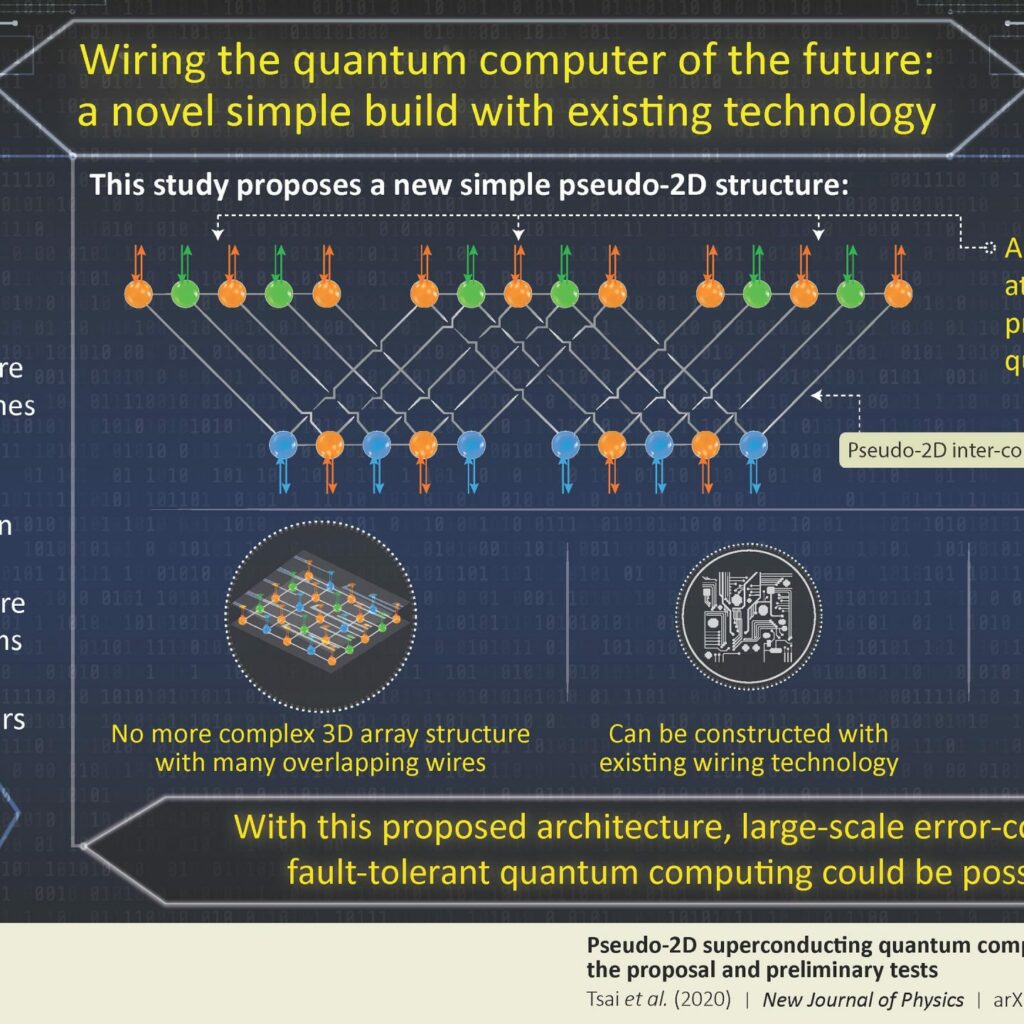
Significant obstacles remain before quantum computing can be widely adopted. Maintaining qubit coherence, reducing error rates, and scaling up quantum systems are critical challenges. Ongoing research focuses on developing error-correcting codes and fault-tolerant architectures to overcome these hurdles and enable practical quantum computing applications.
Why the Distinction Matters
Understanding whether quantum computers fit within the category of digital computers is more than a semantic debate; it reflects a deeper reconsideration of the principles underlying computation. Quantum computing not only promises enhanced processing power but also compels a redefinition of how information can be represented and manipulated. This evolving perspective is crucial as we navigate the future of technology and its impact on society.
Summary
While quantum computers share the broad goal of computation with classical digital computers, their unique quantum properties set them apart from traditional binary systems. The question of their classification invites us to rethink the essence of computing itself, recognizing quantum technology as a revolutionary force poised to reshape the computational landscape.
FAQ
What distinguishes a quantum computer from a classical digital computer?
Quantum computers utilize qubits that can exist in multiple states simultaneously, unlike classical bits which are limited to 0 or 1.
How does quantum computing impact cryptography?
Quantum computing can potentially break existing encryption methods, posing challenges to data security.






Leave a Reply