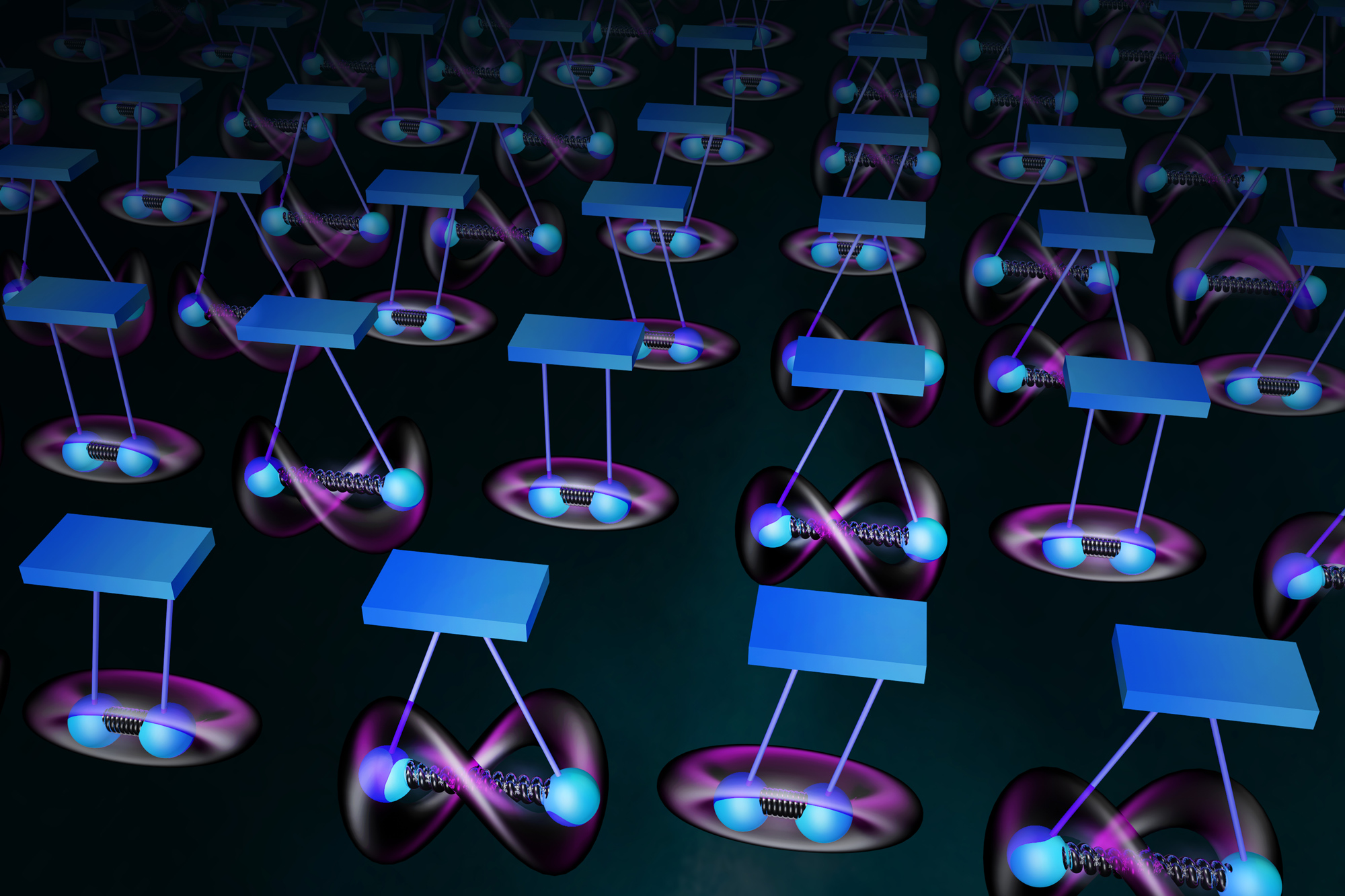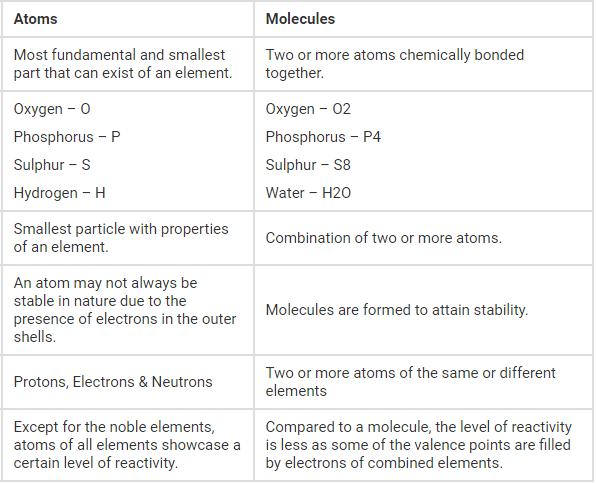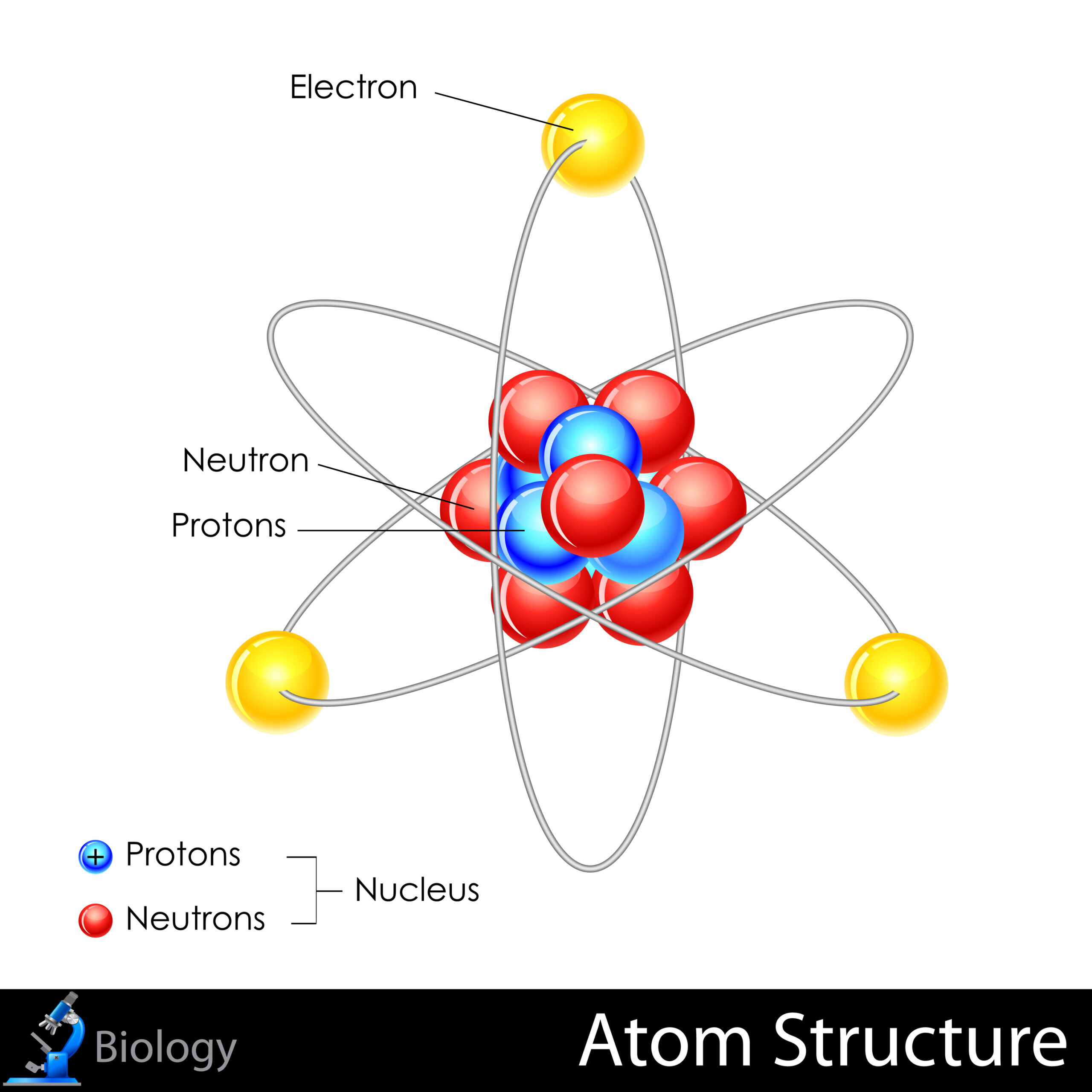
What is the difference between atoms and qubits?

Definition and Overview Quantum mechanics presents a fascinating framework that reshapes our comprehension of the physical world. Central to this domain are two pivotal concepts: atoms and qubits. While both serve as foundational elements in their respective fields-matter and information-they possess distinct characteristics and roles. This article delves into the differences between atoms and qubits, […]

Read More →

What is the difference between mole and atoms?

Definition of Atom and Mole In chemistry, the terms “atom” and “mole” are fundamental concepts that provide a framework for understanding and quantifying matter at the microscopic level. Although closely related, these terms describe different aspects of chemical substances and require distinct definitions. Atom: The atom is the smallest unit of matter that retains the […]

Read More →

If atoms were alive would it be easier to explain evolution?

Understanding the Concept of Life at the Atomic Scale The idea of life existing at the level of atoms invites profound contemplation about the fundamental nature of existence, especially when examined through the lens of evolutionary biology. If atoms were endowed with consciousness or sentience, this could revolutionize our interpretation of evolutionary dynamics. Exploring this […]

Read More →

Can radiation in the microwave break atoms and molecules?

Understanding Microwave Radiation Microwave radiation is a fundamental component of contemporary technology and daily life, yet its intrinsic characteristics prompt intriguing questions within physics. Investigating whether microwaves have the capacity to disrupt atomic or molecular structures leads us into a detailed examination of atomic architecture, molecular bonds, and the interaction between electromagnetic waves and matter. […]

Read More →

Why do atoms share two electrons with each other?

Definition of Covalent Bonding Covalent bonding is a fundamental chemical interaction where atoms connect by sharing pairs of electrons. This electron-sharing mechanism enables the formation of molecules, which are essential to the complexity and diversity of matter, including all living organisms. Unlike ionic bonds, which involve the transfer of electrons, covalent bonds involve mutual electron […]

Read More →

What matter is not made up of atoms? Why?

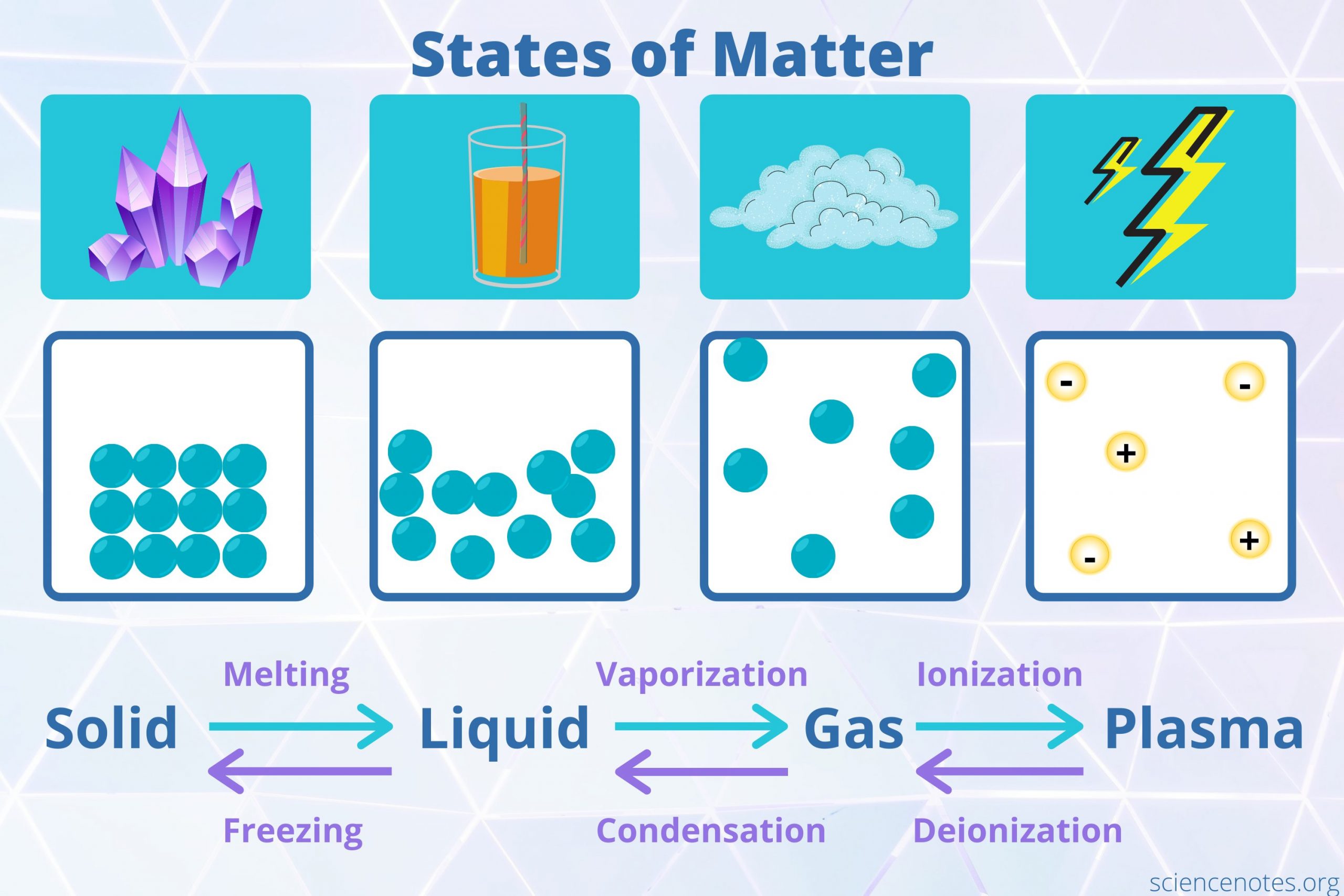
Understanding Matter Beyond Atoms When contemplating the fundamental nature of the universe, the common viewpoint often centers on atoms as the basic constituents of all matter. However, the reality is far more complex. Matter encompasses a variety of forms and states that do not strictly conform to the atomic framework. Exploring what constitutes matter beyond […]

Read More →

Are the elements the same as atoms?

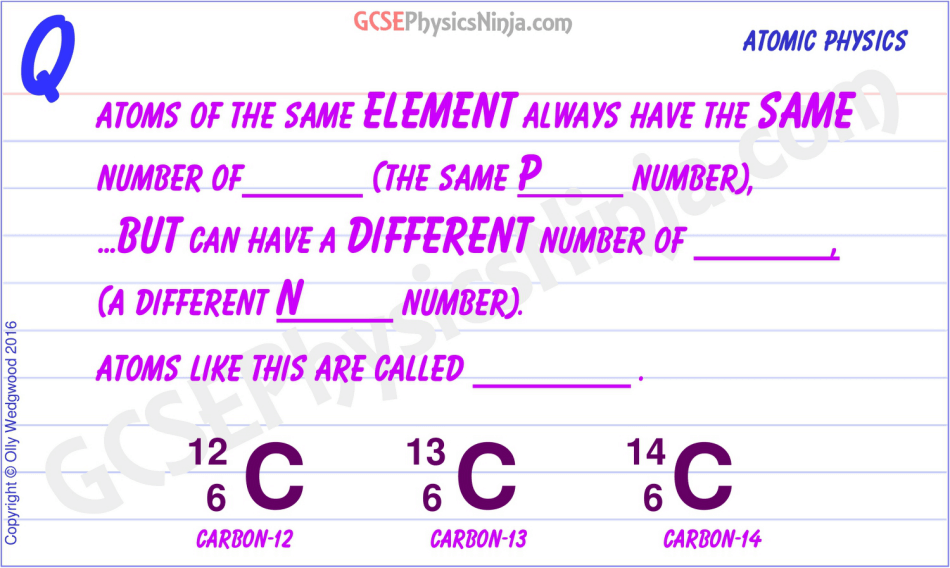
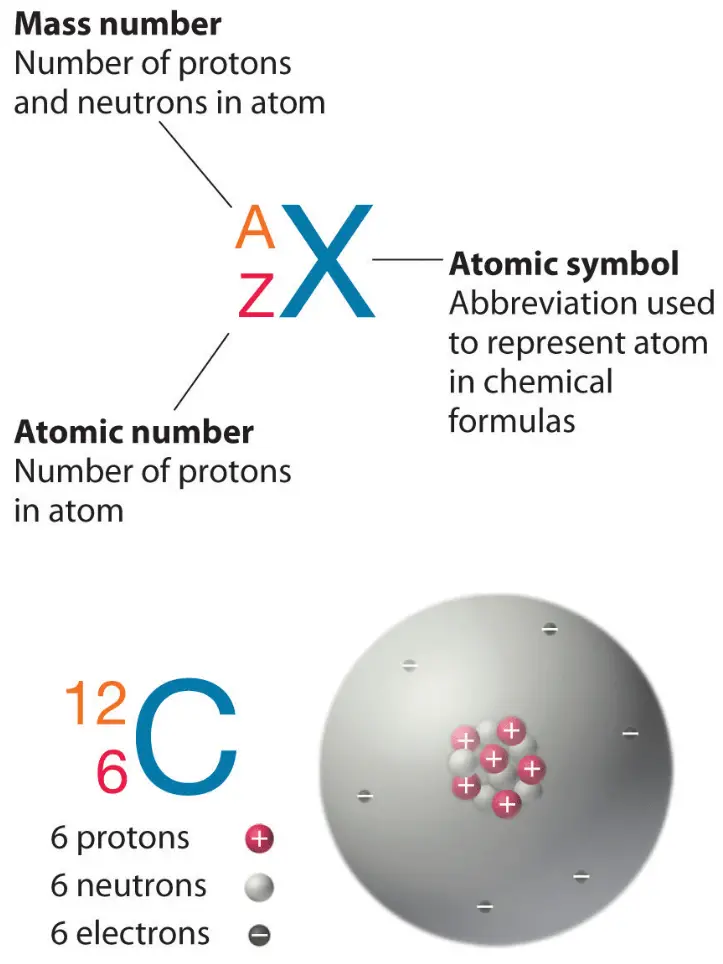
Definition of Elements and Atoms In the fields of chemistry and physics, the concepts of “elements” and “atoms” are fundamental to understanding the composition of matter. Although these terms are sometimes used interchangeably in everyday language, they represent distinct ideas. Grasping the difference between elements and atoms is essential for a deeper comprehension of atomic […]

Read More →

What is smaller than a molecule?

Understanding the Scale: What Lies Beneath a Molecule? The microscopic world has fascinated scientists and thinkers for centuries, prompting the question: what exists at scales smaller than a molecule? Exploring this realm reveals a complex hierarchy of particles and forces that form the foundation of all matter. This investigation not only deepens our grasp of […]

Read More →

How do atoms join together to form molecules?

Definition of Atoms and Molecules Atoms serve as the essential units of matter, forming the foundation for all substances around us. When atoms connect, they create molecules, which are the building blocks of the diverse materials and biological systems present in the universe. Understanding how atoms combine to form molecules requires an examination of atomic […]

Read More →