Nuclear Decay: How Atoms Fall Apart—and Why It Matters

Nuclear decay, a phenomenon intrinsic to the behavior of unstable atomic nuclei, plays a pivotal role in understanding both fundamental physics and practical applications in various fields, including medicine, energy production, and environmental science. At its core, nuclear decay refers to the process by which an unstable nucleus loses energy by emitting radiation, resulting in […]

Read More →

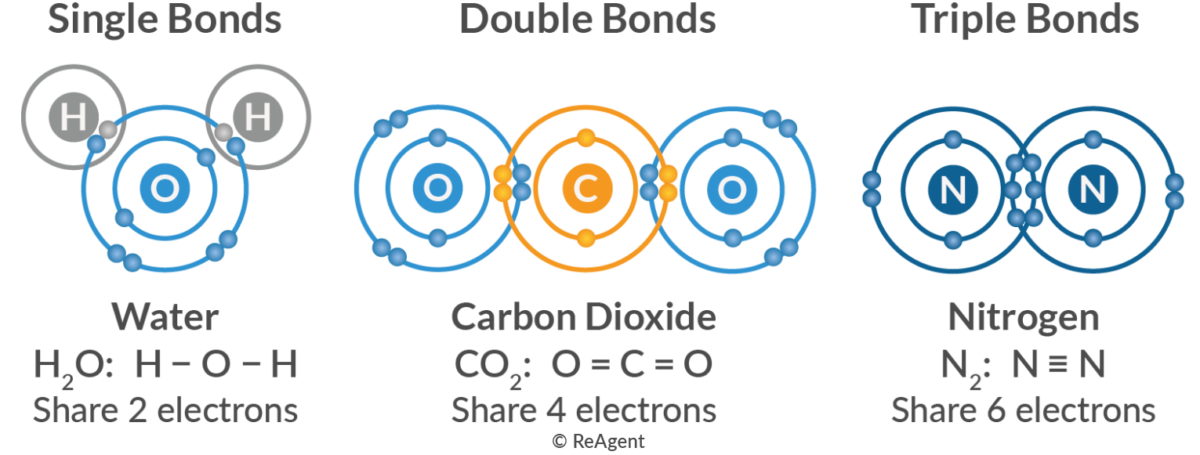
What types of atoms form covalent bonds?

Covalent bonding, a fundamental concept in chemistry, presents a fascinating interplay between atoms, specifically when atoms share electrons to attain stability. This phenomenon predominantly manifests between nonmetal atoms, which display a proclivity towards forming such bonds. To comprehend the intricacies of covalent bonds, one must first delve into the types of atoms that engage in […]

Read More →

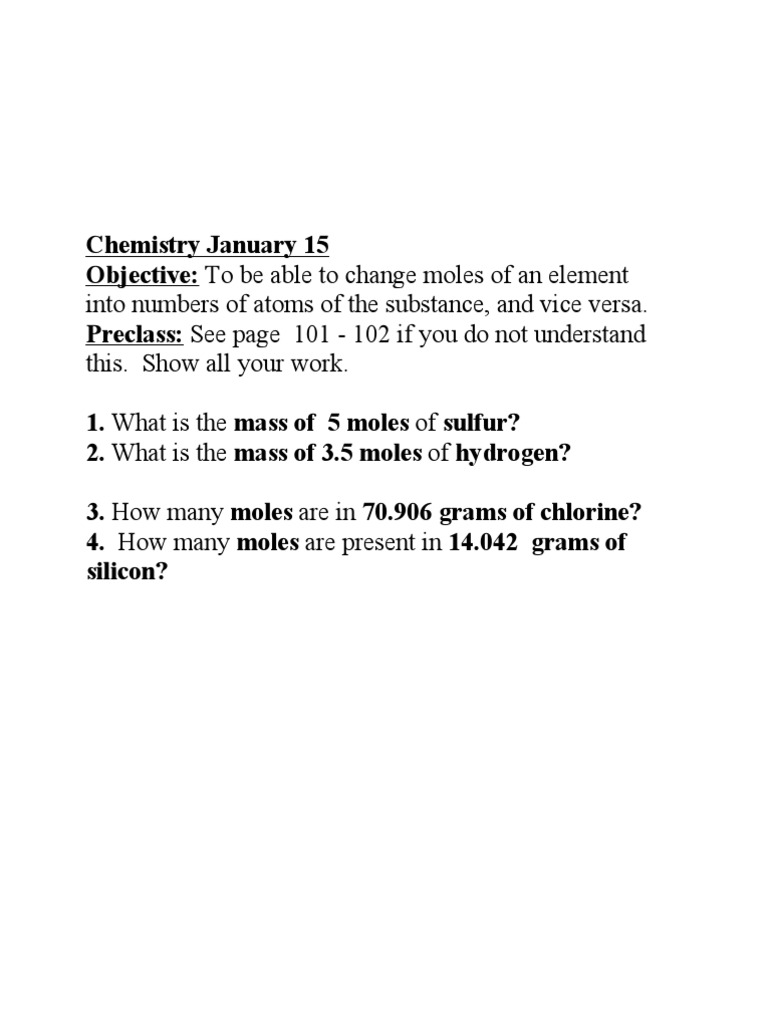
How to convert between atoms molecules and moles?

Understanding the relationship between atoms, molecules, and moles is essential in the field of chemistry. This understanding not only enriches scientific literacy but also ignites a profound fascination with the microscopic world that underpins all matter. At the heart of stoichiometry, the conversion between these entities is a fundamental concept that resonates across numerous applications, […]

Read More →

Atomic Arias: When Atoms Sing in Perfect Harmony

In the labyrinthine realms of quantum mechanics, the notion of atoms as minuscule actors performing a symphony of existence invites contemplation beyond mere scientific inquiry. Intrinsically, these particles constitute the very fabric of matter, their interrelations and behaviors narrating a complex tale of harmony and discord, akin to a grand musical composition. The title “Atomic […]

Read More →

Do elements only contain one type of atom?

When pondering the fundamental constituents of matter, one might entertain a playful inquiry: do elements exclusively consist of a single type of atom? This question, while seemingly straightforward, opens a Pandora’s box of scientific inquiry and complexity. In this discourse, we will meticulously examine the nature of elements and their atomic structure, shedding light on […]

Read More →

Why do atoms form bonds?

The intricate tapestry of the natural world is woven from a fundamental, yet awe-inspiring phenomenon: the formation of bonds between atoms. This occurrence is more than a mere academic curiosity; it is the cornerstone of matter itself, dictating the properties, behaviors, and interactions of all substances. To traverse this scientific vista, we must first delve […]

Read More →

How is dark matter not made up of atoms?

Dark matter is an enigmatic substance that has captivated the curiosity of scientists and laypeople alike. Comprising approximately 27% of the universe, its presence is inferred from gravitational effects on visible matter, radiation, and the large-scale structure of the universe. Yet, despite its prevalence, dark matter is fundamentally different from ordinary matter, which is composed […]

Read More →

Are atoms made up of particles or waves?

At the heart of modern science lies a profound inquiry that captivates not only physicists but also curious minds from various fields: Are atoms made up of particles or waves? This question delves into the fundamental nature of matter and energy, provoking a fascination that transcends beyond the mere constituents of the universe. It invites […]

Read More →

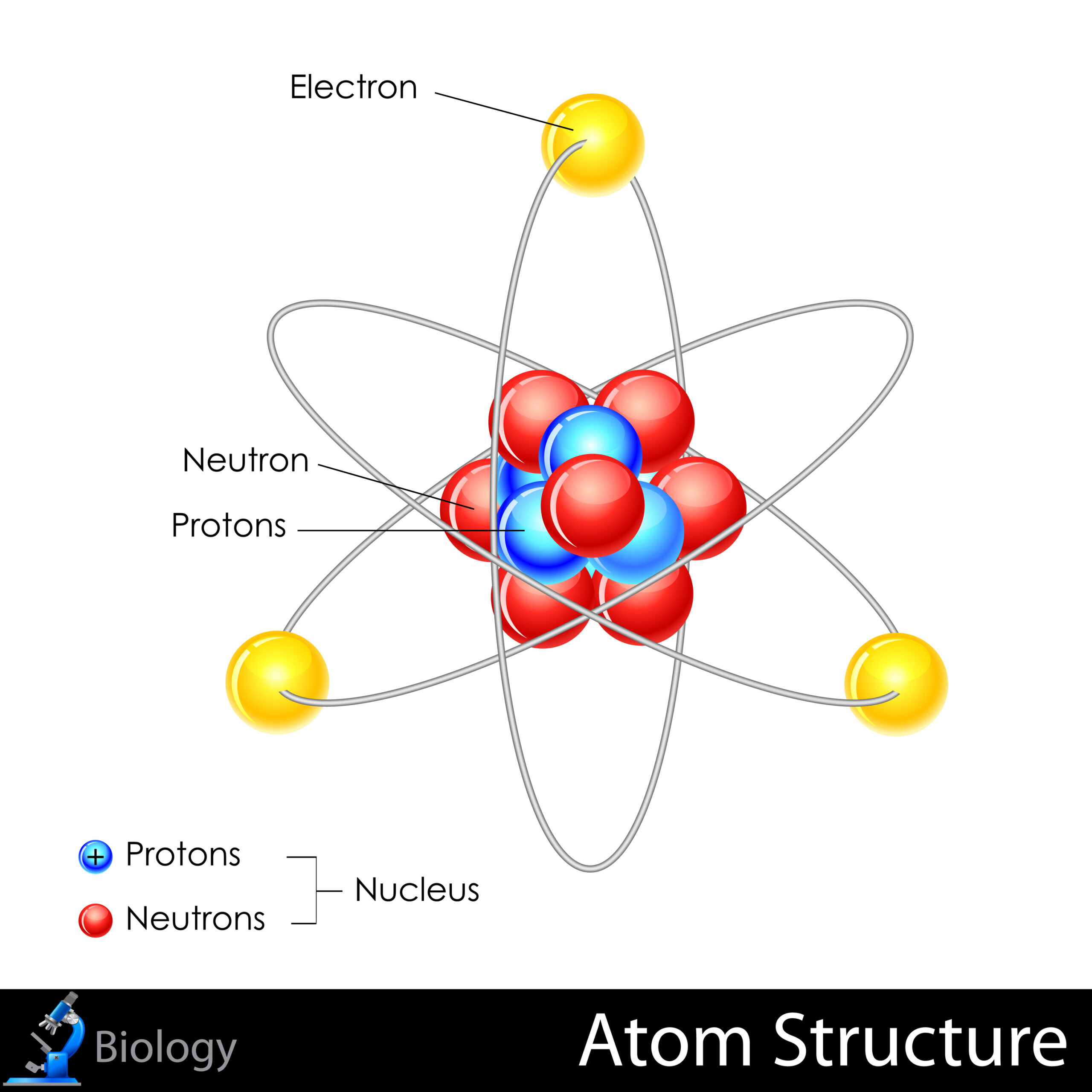
Do atoms comprise only electrons protons and neutrons?

At the elementary level of matter, atoms are often perceived as the fundamental building blocks, composed principally of three subatomic particles: electrons, protons, and neutrons. This triad of particles has long been the cornerstone of atomic theory. However, a deeper inquiry into the nature of atomic structure prompts several intriguing questions. Do atoms comprise only […]

Read More →