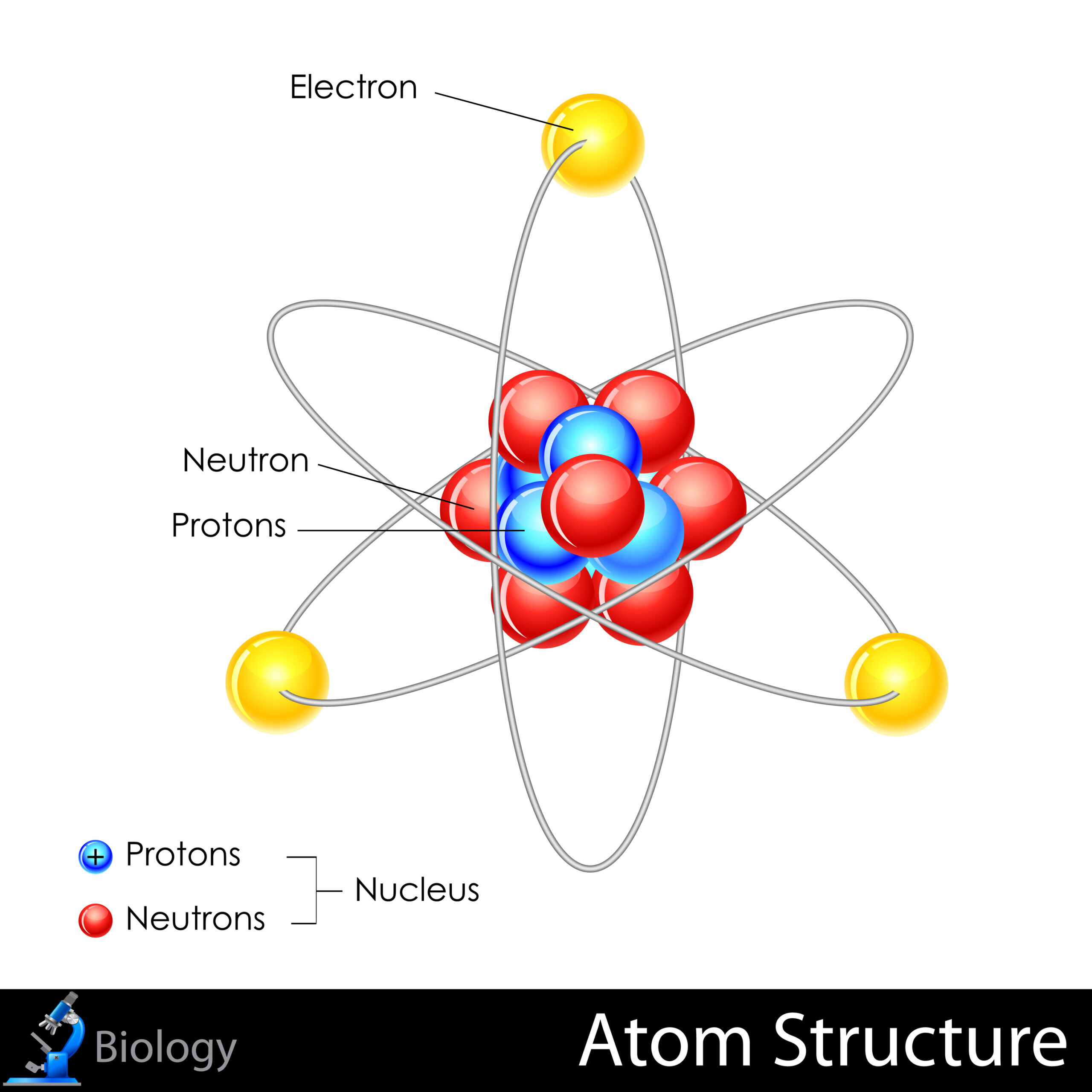
How do atoms move if there are no gaps between them?

Understanding Atomic Motion in Solids Atoms, the fundamental units of matter, are often visualized as fixed, densely packed particles within solid materials. This perception raises a compelling question: how can atoms move if there is no apparent space between them? Exploring this question requires a deep dive into atomic behavior, thermal dynamics, and quantum mechanics, […]

Read More →

Are atoms held together by magnetism?

Definition of Atomic Structure Atoms are the essential units that constitute all matter in the universe. These minuscule particles, invisible to the naked eye, form everything from the air we inhale to the distant stars illuminating the night sky. Understanding the forces that maintain the integrity of atoms is fundamental to grasping the nature of […]

Read More →

How can atoms have excess electrons or protons?

Definition of Excess Electrons and Protons in Atoms Atoms, the fundamental units of matter, can possess an imbalance in their subatomic particles, resulting in either an excess of electrons or protons. This imbalance leads to the formation of charged particles known as ions, which play crucial roles across various scientific disciplines. Understanding how atoms gain […]

Read More →

Quantum Flip: When Atoms Perform a Bit of Magic

Definition of Quantum Flip The term quantum flip refers to the transition of a quantum system from one discrete state to another. This phenomenon is fundamental in quantum physics, which studies the behavior of matter and energy at atomic and subatomic scales. Quantum flips represent changes in energy levels or quantum states that govern the […]

Read More →

Why are the most atoms held by chemical bonds?

Definition of Chemical Bonds Chemical bonds are the essential forces that connect atoms, shaping the structure and composition of matter. These bonds dictate how atoms interact and combine, ultimately determining the characteristics and behaviors of the substances we encounter daily. Rather than existing as isolated particles, atoms predominantly form bonds that enable complex relationships and […]

Read More →

Why do atoms never stop moving?

Definition of Atomic Motion Atomic motion refers to the continuous movement of atoms, which are the fundamental units of matter. This motion is intrinsic to the physical universe and underpins many natural phenomena. Atoms never come to a complete rest; instead, they exhibit various types of motion depending on their state and environmental conditions. Understanding […]

Read More →

What are some uncommonly known facts about atoms?

Definition of Atoms Atoms are the fundamental units that compose all matter in the universe. These minuscule particles serve as the essential building blocks from which everything tangible is formed. Despite their tiny size, atoms harbor complex and often surprising characteristics that extend beyond their basic role in physical existence. Structure and Composition of Atoms […]

Read More →

Is it possible that atoms themselves evolved?

Understanding Atomic Evolution While evolution is commonly linked to living organisms, the idea that atoms-the fundamental units of matter-might undergo a form of evolution is a fascinating concept. Atoms, composed of protons, neutrons, and electrons, are the essential building blocks of everything in the universe. Exploring their origins, transformations, and interactions offers insight into whether […]

Read More →