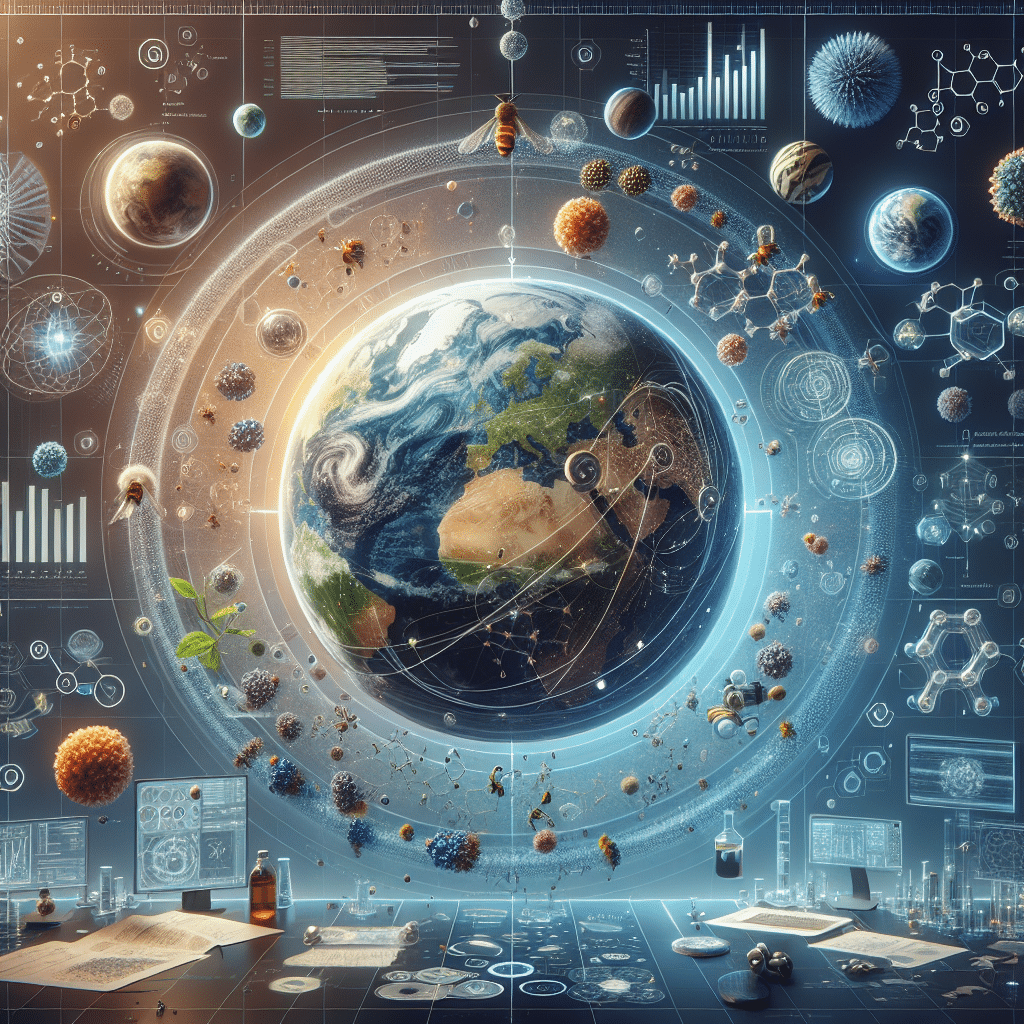
Is the Earth 2D

Understanding Dimensionality Dimensionality refers to the number of independent directions or coordinates required to specify a point within a given space. In everyday physical experience, space is described by three dimensions: length, width, and height. These dimensions collectively define the volume and shape of objects and environments around us. Beyond this familiar framework, advanced physical […]

Read More →

Can we turn Dark Matter into energy?

Understanding Dark Matter Dark matter constitutes a mysterious and largely invisible component of the universe, accounting for roughly 27% of its total mass-energy composition. Unlike ordinary matter, it neither emits nor interacts with electromagnetic radiation, rendering it undetectable through conventional telescopic observations. Its presence is inferred primarily through gravitational effects on visible celestial bodies such […]

Read More →

Black Hole Eclipse Sheds Light on X-Ray Source Size

Definition of Black Hole Eclipses A black hole eclipse is an astronomical event where the X-ray emissions from a black hole’s accretion disk are temporarily obscured by another celestial object. This natural phenomenon offers a rare observational window into the structure and behavior of black holes and their surrounding environments, particularly the regions emitting high-energy […]

Read More →

What do you study in particle physics and astrophysics?

Overview of Particle Physics and Astrophysics Particle physics and astrophysics are two captivating branches of physics that explore the universe from vastly different scales yet remain deeply interconnected. While particle physics investigates the smallest building blocks of matter, astrophysics examines the grandest cosmic structures and phenomena. Together, these disciplines address fundamental questions about the universe’s […]

Read More →

Black Holes Revealed: New Eyes on the Deepest Darkness

Definition of Black Holes Black holes are extraordinary cosmic phenomena defined by regions in spacetime where gravitational forces are so overwhelmingly strong that nothing, including light, can escape their pull. These enigmatic objects represent some of the most profound mysteries in astrophysics, challenging our understanding of the universe and pushing the boundaries of scientific inquiry. […]

Read More →

Is cosmic radiation producible in a lab?

Definition of Cosmic Radiation Cosmic radiation refers to the continuous influx of high-energy particles originating from outer space. These particles, primarily protons, alpha particles, and heavier atomic nuclei, travel vast distances through the cosmos before reaching Earth. They serve as a window into the energetic and often chaotic processes occurring in the universe, such as […]

Read More →

Australia Eyes the Stars: Joining the Gemini Observatory Project

Overview of Australia’s Involvement in the Gemini Observatory Project Australia’s decision to join the Gemini Observatory Project marks a transformative moment in its astronomical research landscape. This collaboration not only elevates Australia’s standing within the international astronomy community but also opens new avenues for scientific breakthroughs and technological innovation. By participating in this global initiative, […]

Read More →

Cosmology Gets Precise: Mapping the Universe in Ultra HD

Definition of Ultra-High-Definition Imaging in Cosmology Ultra-high-definition (UHD) imaging refers to visual data captured at resolutions of no less than 3840 x 2160 pixels, offering an extraordinary level of detail far surpassing conventional imaging techniques. In the context of cosmology, UHD imaging enables scientists to observe celestial objects and phenomena with remarkable clarity, facilitating deeper […]

Read More →

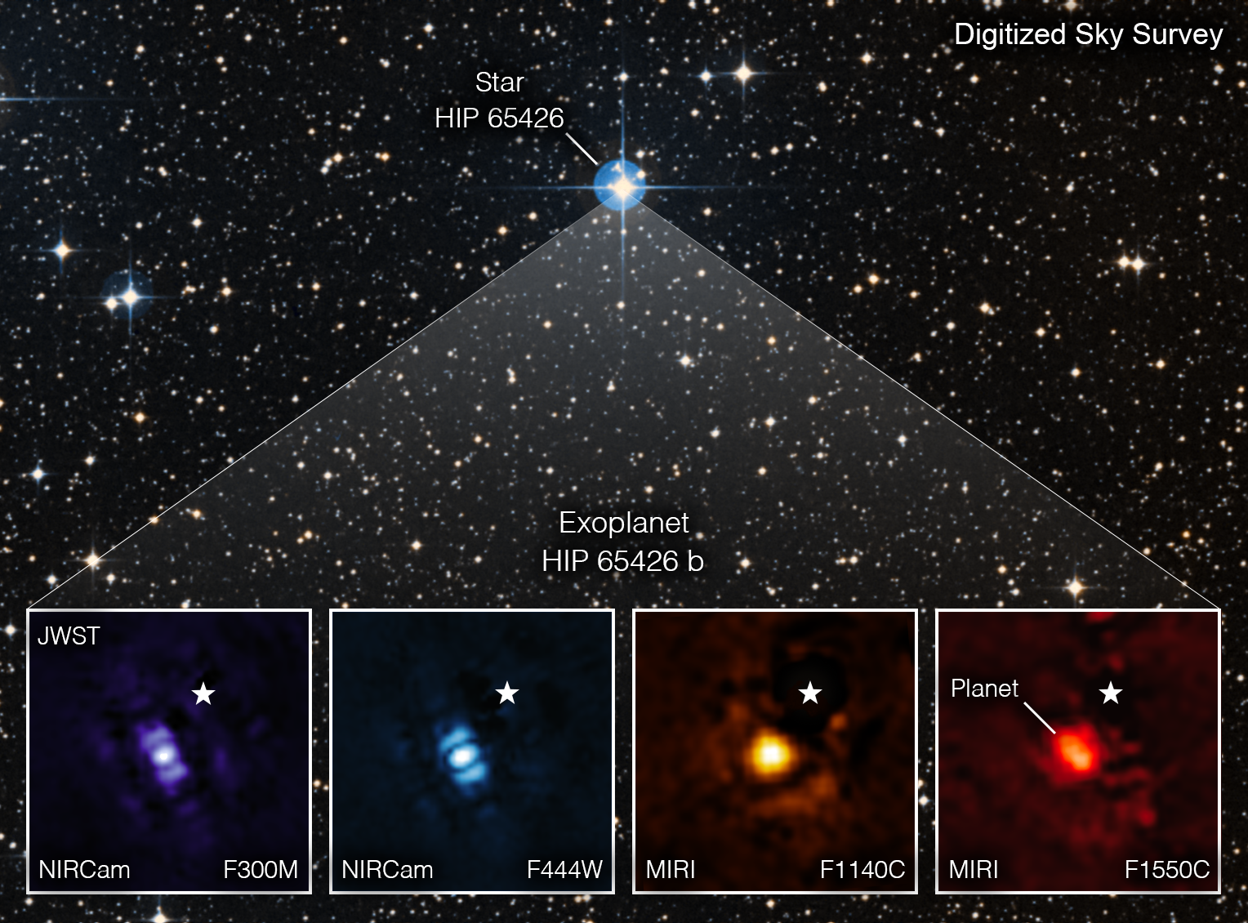
It’s Official: New Exoplanet Is Rocky Not Gassy

Definition of Rocky Exoplanets Rocky exoplanets are celestial bodies orbiting stars outside our solar system that possess a solid, terrestrial surface primarily composed of silicate rocks and metals. Unlike gaseous planets, which are dominated by thick atmospheres of hydrogen and helium, rocky exoplanets resemble Earth and other terrestrial planets in our solar system, featuring a […]

Read More →