

Short Answer
Definition
The current era in astronomy is marked by an unprecedented surge in data acquisition from advanced telescopic instruments, heralding a transformative phase in our comprehension of the universe. This vast influx of information is not merely an increase in quantity but represents a fundamental shift in how cosmic phenomena are observed and understood.
- Data Volume:
The enormous datasets collected from both terrestrial and space-based telescopes provide a comprehensive and multidimensional perspective of the cosmos. - Technological Advancement:
Cutting-edge detectors capture a wide spectrum of electromagnetic waves, from radio frequencies to gamma rays, enabling detailed analysis of celestial events.
Multispectral Observation and Data Collection
Modern observatories, positioned on Earth and in orbit, utilize sophisticated sensors to gather data across various wavelengths. This multispectral approach allows astronomers to construct a more complete and nuanced picture of astronomical phenomena, surpassing the limitations of earlier single-spectrum observations.
- Orbital Telescopes:
Space-based platforms avoid atmospheric interference, enhancing data clarity and enabling detection of faint cosmic signals. - Ground-Based Arrays:
Networks of telescopes on Earth collaborate to increase resolution and sensitivity, particularly in radio and optical bands.
Scientific Implications of the Data Surge
The wealth of data facilitates a detailed examination of complex cosmic processes that were once considered straightforward. This enhanced granularity allows for the reassessment of key astrophysical concepts and the potential revision of established theories.
- Stellar and Galactic Evolution:
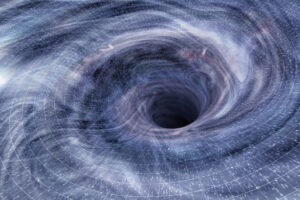
High-resolution data enable precise tracking of star life cycles and galaxy formation dynamics. - Black Hole and Dark Matter Studies:
Improved observations shed light on interactions involving black holes and the elusive distribution of dark matter.
Exploring Dark Energy and Cosmic Expansion
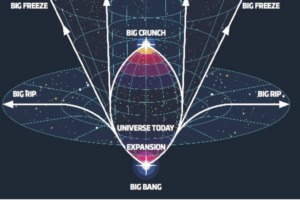
One of the most intriguing frontiers opened by this data revolution is the investigation into dark energy, the enigmatic force accelerating the universe’s expansion. Enhanced observational capabilities may clarify its nature or reveal alternative explanations, potentially reshaping fundamental physics.
Transient Cosmic Phenomena and Signal Analysis
The ability to capture and analyze vast quantities of transient signals, such as fast radio bursts and quasar emissions, has improved dramatically. This facilitates the identification of subtle patterns and anomalies, which could lead to the discovery of new astrophysical event categories or even indications of extraterrestrial intelligence.
Integration of Artificial Intelligence in Astronomy
The sheer scale and complexity of modern astronomical data exceed the capacity of traditional analysis methods. Consequently, machine learning and artificial intelligence have become essential tools for processing petabytes of information, autonomously detecting significant trends and irregularities.
- Automated Anomaly Detection:
AI algorithms efficiently identify unusual cosmic events that might be overlooked by human analysts. - Accelerated Discovery:
The synergy between telescopic data and AI expedites the pace of scientific breakthroughs.
Collaborative and Interdisciplinary Research
The democratization of access to extensive astronomical datasets fosters global collaboration among scientists from diverse fields, including physics, computer science, statistics, and philosophy. This interdisciplinary approach enriches the interpretation of cosmic data and broadens the scope of inquiry.
Future Perspectives and Cosmic Paradigm Shifts
Anticipated findings from this data influx may prompt a profound reevaluation of humanity’s cosmic role, akin to the transformative impact of the Copernican Revolution. Emerging insights could challenge existing notions of matter, energy, time, and space, potentially revealing new dimensions or metaphysical aspects of reality.
Challenges and Ethical Considerations
While the potential for discovery is immense, the complexity and volume of data necessitate rigorous validation to avoid misinterpretations. Additionally, ethical issues arise as analytical techniques developed for cosmic data find applications in sensitive terrestrial contexts, underscoring the need for responsible governance.
Significance in Science and Society
The ongoing influx of telescope data represents a pivotal moment in cosmic exploration, illuminating previously inaccessible aspects of the universe. By embracing both the opportunities and challenges presented, humanity is poised to expand its understanding of the cosmos, enriching scientific knowledge and inspiring a deeper quest for meaning.
Summary
The continuous stream of data from advanced telescopes is revolutionizing astronomy by providing detailed, multispectral insights into the universe’s most profound mysteries. Through the integration of artificial intelligence and global collaboration, this data surge is accelerating discoveries that may redefine fundamental cosmic principles and humanity’s place within the vast expanse of space.
FAQ
What is the significance of the new telescope data?
It offers unprecedented detail and volume of cosmic observations enabling major breakthroughs in understanding the universe.
How does AI enhance telescope data analysis?
AI identifies complex patterns and insights in massive datasets beyond human capability.
What areas of astronomy will benefit most?
Studies of dark matter, dark energy, black holes, stellar evolution, and cosmic anomalies.
What challenges accompany this influx of data?
Technological, interpretative, and ethical challenges require advanced methodologies and governance.

Leave a Reply