
Short Answer
Definition
Physics plays a pivotal role in medical laboratory technology, serving as the scientific foundation for numerous diagnostic and therapeutic techniques. It encompasses the application of physical laws and principles to develop and optimize tools and procedures that enhance patient diagnosis, treatment, and biomedical research.
- Medical Laboratory Technology:
The field involving the analysis of biological samples to detect diseases, monitor health, and guide treatment decisions. - Physics in Medicine:
The integration of physical concepts such as electromagnetism, thermodynamics, and fluid dynamics to improve medical instrumentation and methodologies.
Fundamental Principles of Physics in Medical Diagnostics
At the core of many diagnostic technologies lie essential physical principles that enable detailed visualization and analysis of the human body. Techniques such as X-rays, Magnetic Resonance Imaging (MRI), and Computed Tomography (CT) scans utilize electromagnetic radiation and magnetic fields to generate images that reveal internal structures and abnormalities.
X-ray Imaging
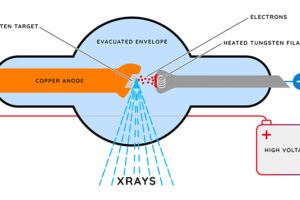
X-ray technology operates on the principle of differential absorption of ionizing radiation by various tissues. Dense structures like bones absorb more X-rays, appearing bright on radiographs, whereas softer tissues absorb less and appear darker. This contrast allows for the detection of fractures, tumors, and infections.
Magnetic Resonance Imaging (MRI)
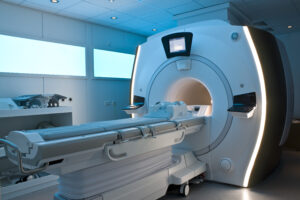
MRI exploits nuclear magnetic resonance by subjecting the body to a strong magnetic field, causing certain atomic nuclei to resonate at specific frequencies. These signals are captured and processed to produce high-resolution images of soft tissues, aiding in the diagnosis of neurological, musculoskeletal, and other internal conditions.
Analytical Techniques Based on Light and Matter Interaction
Physics also underpins laboratory analyses that rely on the interaction between light and biological samples. Spectrophotometry, for example, measures the absorption of light at various wavelengths to identify and quantify substances within fluids such as blood and urine.
- Spectrophotometry:
Utilizes the absorption spectra of molecules to determine concentration levels of analytes, facilitating disease detection and monitoring of therapeutic drug levels.
Role of Thermodynamics and Fluid Dynamics in Laboratory Instrumentation
Accurate laboratory results depend heavily on the precise control of physical conditions. Thermodynamics ensures stable temperature environments critical for processes like incubation and instrument calibration, while fluid dynamics informs the design of devices that handle minute liquid volumes, such as pipettes and microfluidic systems.
- Thermal Stability:
Maintaining consistent temperatures prevents result variability and ensures reliability. - Fluid Manipulation:
Understanding fluid behavior enables efficient handling of biological samples in complex assays.
Innovations Driven by Physics in Medical Technology
Recent advances in physics have catalyzed the creation of cutting-edge medical devices, including point-of-care testing tools that provide rapid diagnostics at the bedside. These micro-scale technologies leverage physical principles to manipulate fluids and detect biomarkers swiftly, enhancing clinical decision-making.
Physics in Therapeutic Applications
Beyond diagnostics, physics is integral to treatment methods such as radiotherapy. Radiation physics and computational modeling are employed to calculate precise radiation doses that maximize tumor destruction while minimizing damage to healthy tissues, thereby improving patient outcomes in cancer care.
Emerging Frontiers: Nanotechnology and Photonics
The future of medical laboratory technology is closely tied to emerging fields like nanotechnology and photonics. Nanotechnology enables the manipulation of materials at the molecular level for targeted drug delivery and real-time cellular diagnostics. Photonics, the science of light generation and detection, promises revolutionary advances in imaging and sensing technologies.
Why Understanding Physics is Crucial in Medical Laboratory Technology
The integration of physics into medical laboratory technology is essential for advancing healthcare. It fosters the development of precise diagnostic tools and effective treatments, ultimately enhancing patient care quality. Recognizing and applying physical principles empowers medical professionals to innovate and improve clinical outcomes continuously.
Common Misconceptions
Physics is only relevant to theoretical science and not practical medicine.
Physics is fundamental to the operation and advancement of medical technologies used daily in diagnostics and treatment.
Medical laboratory technology relies solely on biology and chemistry.
While biology and chemistry are vital, physics provides the essential framework for instrumentation and analytical techniques.
Summary
The synergy between physics and medical laboratory technology forms a complex and dynamic relationship that drives innovation in healthcare. From imaging and analytical methods to therapeutic interventions and emerging technologies, physics is indispensable in enhancing diagnostic accuracy and treatment efficacy. Embracing this interdisciplinary approach is key to future breakthroughs that will continue to transform patient care worldwide.
FAQ
What is the role of physics in medical laboratory technology?
Physics provides the foundational principles for various diagnostic techniques and therapeutic applications in medical laboratory technology.
How does thermodynamics apply in medical labs?
Thermodynamics is crucial for maintaining stable temperature conditions in laboratory processes, ensuring accurate results.
What are some diagnostic technologies that use physics?
Technologies such as X-rays, MRI, and CT scans utilize physical principles for imaging internal structures in the body.




Leave a Reply