

Short Answer
Definition and Overview
The intersection of healthcare and technology has created diverse career opportunities, one notable path being the progression from radiologic technologist to medical physicist. This transition involves moving from a hands-on imaging role to a specialized scientific position focused on the application of physics in medicine. Understanding this career shift requires examining the educational prerequisites, workforce trends, and the broad spectrum of opportunities available in medical physics.
Roles and Responsibilities
Radiologic Technologists:
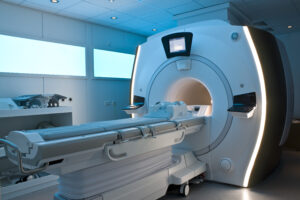
These healthcare professionals operate diagnostic imaging equipment such as X-ray machines, CT scanners, and MRI devices. Their expertise includes a thorough knowledge of human anatomy and imaging techniques, which is essential for producing high-quality images and ensuring patient safety during procedures.
Medical Physicists:
Medical physicists apply principles of physics to medical practice, primarily focusing on radiation safety, quality assurance, and the development of innovative imaging and therapeutic technologies. Their work ensures the accuracy, safety, and effectiveness of diagnostic and treatment modalities, particularly in oncology and radiology.
Educational Pathways and Requirements
Transitioning from a radiologic technologist to a medical physicist necessitates advanced education. Typically, medical physicists hold a master’s or doctoral degree in medical physics or a related discipline. These programs cover specialized subjects such as radiation physics, dosimetry, and advanced imaging technologies. Clinical residencies are often required, providing practical experience in diverse healthcare environments.
- Prerequisites:
Candidates usually need a strong foundation in physics and mathematics, which may require additional coursework for technologists whose initial training focused more on clinical skills. - Bridge Programs:
Many universities offer tailored programs to help technologists acquire the necessary scientific background without starting from scratch.
Advantages of a Radiologic Technologist Background
Radiologic technologists possess valuable practical experience with imaging modalities, which can be a significant asset when pursuing medical physics. Their familiarity with clinical workflows and patient care enhances their ability to collaborate effectively within multidisciplinary teams. Graduate programs often value applicants with hands-on imaging experience, recognizing the unique perspective they bring to the field.
Challenges and Considerations
Despite the benefits, the transition involves several obstacles:
- Academic Demands:
The need to master complex physics and mathematical concepts can be challenging for those without a strong science background. - Financial and Time Investment:
Further education entails tuition costs and potential income loss during study periods. - Commitment to Lifelong Learning:
Medical physics requires ongoing professional development to keep pace with technological advancements.
Industry Trends and Workforce Dynamics
The medical physics field is evolving rapidly due to technological innovations and the growing reliance on precision treatments in oncology and diagnostic imaging. This evolution increases demand for skilled professionals who can integrate physics expertise with clinical practice. Radiologic technologists, accustomed to working closely with imaging technologies, are well-positioned to meet these interdisciplinary demands.
Collaborative Synergies in Healthcare
Modern healthcare increasingly emphasizes teamwork across specialties. The collaboration between medical physicists and radiologic technologists enhances patient care quality and safety. Medical physicists ensure the technical accuracy and safety of imaging procedures, while technologists provide essential operational expertise. This synergy fosters a professional environment conducive to career advancement and improved clinical outcomes.
Professional Growth and Benefits
Advancing into medical physics offers radiologic technologists opportunities for intellectual enrichment, higher earning potential, and greater job security. The role allows for a deeper understanding of the physical principles underlying medical imaging and radiation therapy, contributing to both personal satisfaction and professional development.
Common Misconceptions
Radiologic technologists cannot become medical physicists without starting over academically.
Many institutions provide bridge programs and prerequisite courses to facilitate this career transition without complete retraining.
The transition is straightforward and quick.
The process requires significant dedication, including advanced education and clinical training, making it a challenging but achievable goal.
Significance in Modern Healthcare
The growing complexity of medical imaging and radiation therapy underscores the importance of professionals who can bridge clinical practice and physics. Radiologic technologists transitioning to medical physicists contribute to safer, more effective patient care and drive innovation in medical technology. Their dual expertise supports the advancement of healthcare delivery and the evolution of multidisciplinary medical teams.
Conclusion
While the journey from radiologic technologist to medical physicist is demanding, it offers substantial rewards. With commitment to further education and adaptation to evolving healthcare technologies, technologists can redefine their professional roles, enhance patient outcomes, and play a pivotal role in the future of medical imaging and radiation therapy.
FAQ
What qualifications are needed to become a medical physicist?
Typically, a master’s or doctoral degree in medical physics or a related field is required, along with clinical residency training.
Are there any bridge programs for radiologic technologists?
Yes, many universities offer bridge programs to help technologists gain the necessary scientific background.




Leave a Reply