

Short Answer
Understanding Astrophysics
Astrophysics is a scientific discipline that merges the vastness of outer space with the precise laws of physics to explore the universe at its most elemental level. It seeks to explain celestial phenomena, from the behavior of stars and galaxies to the fundamental forces shaping the cosmos. For newcomers, embarking on this intellectual journey requires resources that clarify complex ideas while inspiring curiosity and wonder.
Types of Astrophysics Literature for Beginners
Books designed for those new to astrophysics come in various forms, each catering to different learning preferences and interests. These can be broadly categorized into conceptual guides, narrative histories, mathematical treatises, observational studies, philosophical explorations, popular science works, and interdisciplinary texts.
Conceptual Introductions
These books focus on making core astrophysical concepts accessible without diluting scientific accuracy. They often employ analogies and straightforward explanations to illuminate topics such as gravity, stellar evolution, cosmology, and the nature of spacetime. Richly illustrated with diagrams and images, these texts help readers connect abstract theories to tangible observations, serving as welcoming entry points into the field.
Narrative Histories
Some works adopt a storytelling approach, chronicling the human endeavor to comprehend the universe. By weaving biographies of iconic scientists like Newton, Einstein, and Hawking with accounts of groundbreaking discoveries and paradigm shifts, these books humanize astrophysics. They reveal the perseverance and creativity behind scientific advancements, making complex ideas more relatable and engaging through historical context.
Mathematical and Analytical Texts
For readers ready to delve deeper, certain books introduce the mathematical foundations underpinning astrophysical theories. These resources often include fundamental equations, problem-solving exercises, and guided derivations to foster critical thinking and technical skills. While more challenging, they provide a gradual immersion into the quantitative aspects of the discipline, balancing rigor with clarity.
Observational Astrophysics
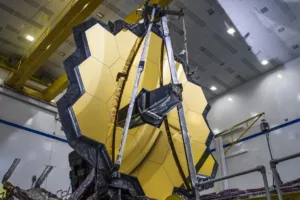
This category highlights how astronomers collect and interpret data using advanced instruments such as telescopes, satellites, and spectrometers. Books in this area describe the technological innovations and methodologies that have revolutionized our understanding of the cosmos. Through vivid narratives of landmark discoveries and ongoing research campaigns, readers gain insight into the empirical processes that transform raw data into scientific knowledge.
Philosophical Dimensions
Some astrophysics literature explores the profound philosophical questions prompted by cosmological findings. Topics include the universe’s origin and destiny, the enigmatic nature of dark matter and dark energy, and speculative ideas like multiverses and quantum gravity. These works extend beyond empirical science to engage with metaphysical and epistemological issues, encouraging readers to reflect on humanity’s place within the vast cosmic tapestry.
Popular Science and Visual Storytelling
Popular science books aim to captivate a broad audience by blending accessible language, striking imagery, and compelling anecdotes. They often cover subjects such as black holes, general relativity, and galactic structures, making sophisticated astrophysical concepts both entertaining and enlightening. These volumes evoke the grandeur and complexity of the universe, fostering awe and appreciation among readers of all backgrounds.
Interdisciplinary Perspectives
Some texts integrate astrophysics with related fields like astronomy, chemistry, and biology. This approach sheds light on areas such as astrobiology and planetary science, emphasizing the search for extraterrestrial life and the conditions necessary for habitability. By highlighting the interconnectedness of cosmic phenomena, these books promote a holistic understanding of the universe as a dynamic and evolving system.
Enhancing Learning Through Supplementary Materials
Many beginner-friendly astrophysics books include additional features to support comprehension and engagement. Glossaries clarify specialized terminology, illustrations visualize complex ideas, timelines place discoveries in historical context, and online resources offer opportunities for further exploration. These tools make the learning experience more interactive and multidimensional, helping readers build a solid foundation in astrophysics.
Why Studying Astrophysics Matters
Astrophysics plays a crucial role in expanding our knowledge of the universe and our place within it. It drives technological innovation, informs other scientific disciplines, and inspires philosophical inquiry. By understanding the physical laws governing celestial bodies and cosmic phenomena, we gain insights that influence fields ranging from space exploration to fundamental physics. Moreover, astrophysics nurtures a sense of wonder and curiosity that enriches human culture and intellectual life.
Summary: A Gateway to Cosmic Understanding
The best astrophysics books for beginners offer a diverse array of content, from clear conceptual explanations and engaging historical narratives to rigorous mathematical treatments and explorations of observational techniques. Whether one is fascinated by the physics of stars, the instruments that unveil cosmic secrets, or the philosophical questions arising from modern discoveries, these resources provide a comprehensive introduction to the mysteries of the universe. Embarking on this literary journey promises not only knowledge but also a transformative appreciation for the cosmos and humanity’s enduring quest to comprehend it.
FAQ
What are the best astrophysics books for beginners?
The best astrophysics books for beginners include conceptual guides, narrative histories, mathematical texts, and popular science works that simplify complex ideas.
Why is astrophysics important?
Astrophysics expands our understanding of the universe, drives technological innovation, and inspires philosophical inquiry.



Leave a Reply