

Short Answer
Definition of Magnetic Resonance Imaging (MRI)
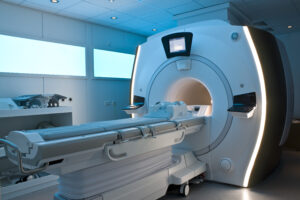
Magnetic Resonance Imaging (MRI) is a sophisticated diagnostic technique that utilizes strong magnetic fields and radiofrequency waves to generate highly detailed images of the body’s internal anatomy. Unlike invasive procedures, MRI offers a non-invasive method to visualize soft tissues with exceptional clarity, surpassing many traditional imaging modalities. This technology has transformed medical diagnostics by enabling clinicians to detect abnormalities that might otherwise remain hidden.
Clinical Indications for MRI
Healthcare professionals rely on MRI scans in a wide array of clinical scenarios to diagnose, monitor, and sometimes predict the course of various medical conditions. The primary purpose of MRI is to reveal pathological changes, evaluate treatment effectiveness, and assist in planning surgical or therapeutic interventions.
Neurological Applications
MRI is extensively used in neurology to investigate symptoms such as persistent headaches, seizures, or cognitive impairments. It provides detailed visualization of brain structures, allowing for the detection of tumors, demyelinating diseases like multiple sclerosis, and neurodegenerative disorders including Alzheimer’s disease. The high-resolution images facilitate the identification of both gross anatomical abnormalities and subtle lesions that impact neurological function.
Musculoskeletal System Imaging
The musculoskeletal system, which includes bones, muscles, ligaments, and cartilage, benefits greatly from MRI’s ability to image soft tissues adjacent to skeletal elements. This makes MRI the preferred method for diagnosing injuries such as ligament tears (e.g., anterior cruciate ligament injuries), cartilage wear in osteoarthritis, and other degenerative joint conditions. It is often the first choice for imaging following trauma or chronic musculoskeletal pain.
Abdominal and Pelvic MRI
MRI plays a crucial role in evaluating abdominal and pelvic organs, including the liver, kidneys, and reproductive systems. It is particularly effective in identifying tumors, cysts, and inflammatory diseases, as well as clarifying complex anatomical relationships that may be inadequately visualized by ultrasound or computed tomography (CT). For women, MRI is especially valuable in assessing breast abnormalities, notably in cases where dense breast tissue limits the effectiveness of mammography.
Vascular Imaging: Magnetic Resonance Angiography (MRA)
Magnetic Resonance Angiography (MRA) is a specialized MRI technique designed to visualize blood vessels. It assesses vessel structure, detects blockages, stenosis, or aneurysms, and evaluates blood flow dynamics. MRA is indispensable in diagnosing vascular diseases and is frequently used in preoperative planning for vascular surgeries or interventions.
Advanced MRI Applications
Role in Clinical Research and Trials
Beyond routine diagnostics, MRI is a vital tool in medical research. Functional MRI (fMRI), for example, maps brain activity by detecting changes in blood flow, aiding cognitive neuroscience studies. This research enhances understanding of brain function and supports the development of novel therapeutic strategies.
Interventional MRI Techniques
The integration of MRI with interventional procedures has revolutionized minimally invasive surgery. Real-time MRI guidance is employed during biopsies, tumor ablations, and vascular interventions, improving precision and reducing complications. This advancement enhances patient safety and treatment outcomes.
Monitoring Chronic Diseases
MRI is essential for tracking the progression of chronic illnesses such as cancer, multiple sclerosis, and rheumatoid arthritis. Regular imaging allows clinicians to evaluate tumor response to therapy, detect new lesions in neurological diseases, and adjust treatment plans accordingly, ensuring optimal patient management.
How MRI Works
MRI operates by aligning hydrogen protons in the body using a powerful magnetic field. When radiofrequency pulses are applied, these protons are temporarily displaced from their alignment. As they return to their original state, they emit signals that are captured and processed to create detailed images of internal tissues. The contrast between different tissue types arises from variations in proton density and relaxation times.
Importance of MRI in Modern Medicine
MRI’s ability to provide detailed, non-invasive visualization of soft tissues has made it indispensable in contemporary healthcare. It enhances diagnostic accuracy, informs treatment decisions, and supports ongoing medical research. As technology advances, MRI continues to expand its applications, solidifying its role as a cornerstone in medical imaging and patient care.
Common Misconceptions About MRI
MRI uses harmful ionizing radiation.
MRI employs magnetic fields and radio waves, which do not involve ionizing radiation, making it safer than X-rays or CT scans.
MRI scans are painful or invasive.
MRI is a non-invasive and painless procedure, although some patients may experience discomfort due to the confined space or noise during the scan.
Summary
In conclusion, MRI is a versatile and powerful imaging modality that provides comprehensive insights into the body’s internal structures. Its applications span neurological, musculoskeletal, abdominal, vascular, and research domains, making it a critical tool in diagnosis, treatment planning, and medical innovation. Understanding the reasons for MRI utilization enhances patient awareness and fosters effective collaboration between healthcare providers and patients.
FAQ
What is an MRI?
MRI stands for Magnetic Resonance Imaging, a technique that uses magnetic fields and radio waves to create images of the body's internal structures.
Is MRI safe?
Yes, MRI is considered safe as it does not use ionizing radiation.
What can an MRI detect?
MRI can detect a variety of conditions, including tumors, injuries, and neurological disorders.





Leave a Reply