
Short Answer
Definition of Ancient Israelite Innovations
Ancient Israel, a region rich in historical and cultural significance, was a cradle of numerous inventions that reveal the ingenuity and adaptability of its people. These innovations not only addressed practical challenges but also reflected the spiritual beliefs and social organization of the society. This article explores key inventions from ancient Israel that have left a lasting impact on history and continue to inspire discussions about human creativity and progress.
Agricultural Innovations
Agriculture was central to the development of ancient Israelite civilization. The introduction of advanced farming methods transformed the cultivation of essential crops and supported population growth.
- Terrace Farming:
To make effective use of the region’s hilly terrain, ancient farmers engineered terraces. This technique expanded arable land and prevented soil erosion, creating a sustainable farming environment. - Crop Cultivation:
Mastery in growing barley, wheat, and olives not only ensured food security but also generated surplus produce, which facilitated the rise of trade and economic exchange.
Pottery and Ceramic Craftsmanship
The art of pottery in ancient Israel evolved beyond mere functionality, embodying cultural and religious significance.
- Refined Techniques:
Israelite artisans developed distinctive ceramic styles and glazes that enhanced both the utility and aesthetic appeal of pottery. - Religious Symbolism:
Vessels used in rituals often featured elaborate designs, highlighting the integration of spirituality into everyday objects. - Potter’s Wheel:
The adoption of the potter’s wheel marked a technological leap, enabling faster production and a greater variety of ceramic forms.
Metallurgical Advances
Metalworking was a significant area of innovation, with ancient Israelite craftsmen excelling in the use of bronze and iron to create tools and weapons.
- Iron Tools:
The forging of iron implements revolutionized agriculture and construction, improving efficiency in plowing and harvesting. - Weaponry:
Metal weapons enhanced military capabilities, influencing both defense and territorial expansion. - Trade Commodities:
Metal goods became valuable trade items, fostering economic relationships with neighboring cultures.
Architectural Contributions
Architecture in ancient Israel was deeply intertwined with religious and civic life, showcasing advanced engineering and design.
- Temple Construction:
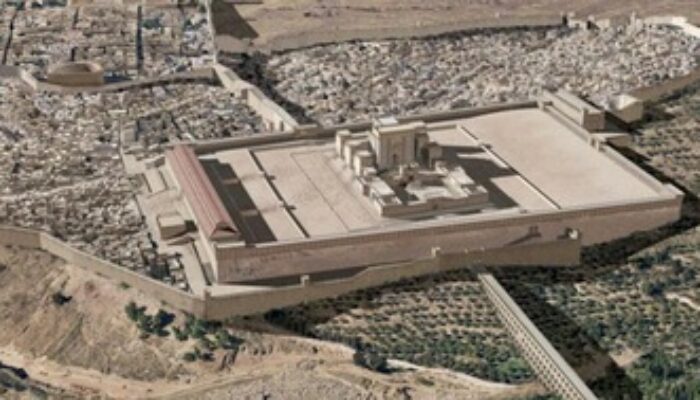
The First Temple in Jerusalem exemplified sophisticated architectural techniques, combining structural innovation with spiritual symbolism. - Public Buildings:
Structures such as altars and communal spaces reflected the society’s reverence for religion and governance.
Advancements in Writing and Communication
The creation of the Hebrew alphabet was a pivotal development in the history of written language.
- Phonetic System:
This alphabet simplified writing and reading, facilitating widespread literacy and record-keeping. - Preservation of Texts:
The script enabled the documentation of sacred texts, legal codes, and stories, influencing religious traditions worldwide.
Governance and Legal Systems
Ancient Israel demonstrated a sophisticated approach to law and social order, influenced by earlier legal codes and its own religious texts.
- Judicial Practices:
The establishment of courts and legal procedures helped maintain societal stability. - Legal Frameworks:
The Torah outlined comprehensive laws addressing property, morality, and community responsibilities, forming a basis for future legal systems.
Medical Knowledge and Practices
Healthcare in ancient Israel combined empirical remedies with spiritual elements, reflecting a holistic view of well-being.
- Herbal Treatments:
Texts describe the use of natural substances for healing, indicating an early understanding of medicinal properties. - Spiritual Healing:
Religious rituals and prayers were integral to medical care, emphasizing the connection between body and spirit.
Textile Production and Cultural Expression
The craft of weaving was both a practical and artistic endeavor in ancient Israel, producing textiles that conveyed identity and status.
- Weaving Techniques:
Skilled artisans created clothing and tapestries that served functional and decorative purposes. - Natural Dyeing:
The use of plant-based pigments demonstrated knowledge of chemistry and enhanced the vibrancy and durability of fabrics. - Cultural Significance:
Textiles often symbolized social roles and cultural narratives within the community.
Why Ancient Israelite Innovations Are Significant
The inventions of ancient Israel represent more than practical solutions; they embody a fusion of cultural values, spiritual beliefs, and technological progress. These advancements in agriculture, craftsmanship, metallurgy, architecture, communication, governance, medicine, and textiles illustrate the resilience and creativity of the ancient Israelites. Their legacy continues to influence modern society, reminding us of the enduring power of innovation to shape human history and inspire future generations.
FAQ
What were some key agricultural innovations in ancient Israel?
Ancient Israel introduced techniques like terrace farming and advanced crop cultivation methods, which transformed agriculture and supported population growth.
How did ancient Israel contribute to metallurgy?
Craftsmen in ancient Israel excelled in metalworking, forging iron and bronze tools and weapons that revolutionized agriculture and military capabilities.
What role did the Hebrew alphabet play in ancient Israel?
The creation of the Hebrew alphabet simplified writing and reading, facilitating widespread literacy and the preservation of religious texts.





Leave a Reply