
Short Answer
Definition of the Movie Gravity and Its Realism
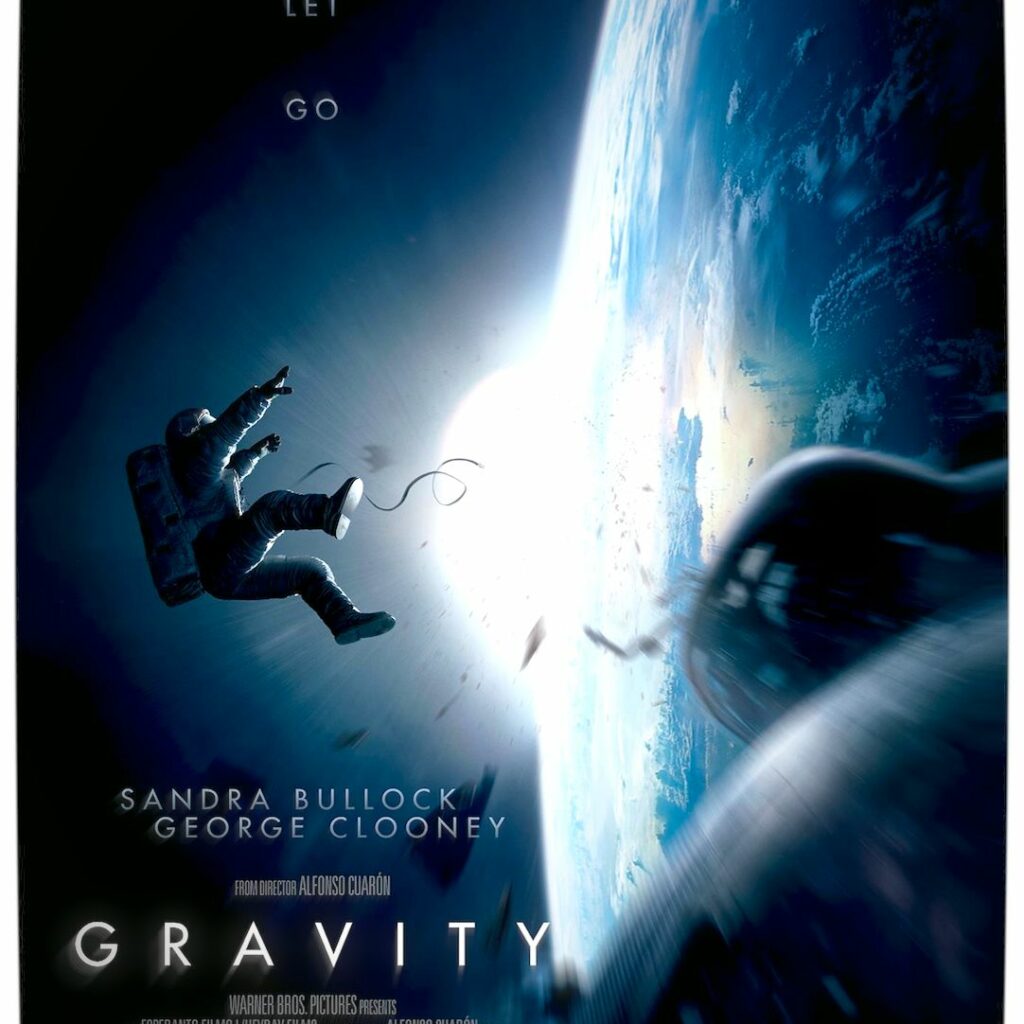
Gravity is a 2013 science fiction thriller directed by Alfonso Cuarón that immerses viewers in the perilous environment of outer space, focusing on survival after a catastrophic event in Earth’s orbit. The film is renowned for its stunning visual effects and intense narrative, but it also raises questions about how accurately it portrays the realities of space travel and the harsh conditions beyond our atmosphere. This article explores the scientific authenticity of Gravity, examining its depiction of microgravity, orbital hazards, spacecraft, and astronaut experiences.
Portrayal of Microgravity and Weightlessness
One of the film’s most praised aspects is its realistic depiction of weightlessness. The protagonist’s movements, floating with smooth inertia, closely mirror the physics of microgravity experienced in orbit, where objects and astronauts are in continuous free-fall, creating the sensation of weightlessness. This portrayal aligns with astronaut testimonies, who confirm the authenticity of such motion. However, while the visual representation is highly convincing, questions remain about whether this realism extends to other spatial phenomena depicted in the movie.
Space Debris and the Kessler Syndrome
Space debris plays a pivotal role in the film’s plot, portrayed as a fast-moving and lethal threat. The concept of cascading collisions, known as the Kessler Syndrome, is scientifically valid. In low Earth orbit (LEO), defunct satellites and fragments from past collisions pose significant risks to operational spacecraft and the International Space Station (ISS). However, the movie amplifies the speed and density of debris impacts to heighten dramatic tension, compressing events that would realistically unfold over longer periods into rapid sequences. Despite this exaggeration, the depiction draws attention to real concerns about orbital debris management and the sustainability of space operations.
Representation of Spacecraft and Orbital Mechanics
The film features several key orbital structures, including the Hubble Space Telescope, the ISS, and a fictional Chinese space station. While the external designs are visually accurate, the proximity of these stations defies actual orbital mechanics. In reality, spacecraft maintain distinct altitudes and velocities to avoid collisions, making the film’s stacked orbital arrangement improbable. Additionally, the movie omits certain operational details such as thruster firings for maneuvering and communication delays, prioritizing narrative flow over strict technical accuracy.
Use of EVA Technology and Astronaut Maneuvers
Gravity incorporates realistic elements of extravehicular activity (EVA) technology, notably the Simplified Aid For EVA Rescue (SAFER) units. These devices use small nitrogen thrusters to enable astronauts to navigate untethered in space, and the film accurately portrays the physics behind incremental adjustments versus larger propulsion bursts. Nevertheless, the rapid execution of maneuvers and problem-solving in the movie condenses what are typically hours of complex planning and coordination into brief moments, simplifying the real-world challenges of spacewalks.
Sound Design and the Vacuum of Space
The auditory experience in Gravity is intense, featuring loud explosions and metallic noises that heighten suspense. However, this is a creative liberty, as sound cannot travel through the vacuum of space due to the absence of a medium. In reality, astronauts would only hear vibrations transmitted through their suits or radio communications. The film’s choice to include immersive sound effects enhances emotional engagement but departs from scientific accuracy.
Psychological Realism and Human Experience in Space
The movie effectively captures the psychological strain of isolation and survival faced by astronauts. Long-duration space missions demand significant mental resilience alongside physical endurance, and the protagonist’s emotional journey reflects this reality. This aspect of the film resonates with research on the psychological challenges inherent in space exploration, adding depth and authenticity to the narrative.
Innovations in Visual Effects Technology
Gravity broke new ground in visual effects, employing techniques such as “light boxes” to replicate the stark, directional sunlight of Earth’s orbit and custom rigs to simulate zero-gravity movements. These innovations created an immersive and believable spatial environment that complements the storytelling. While these effects do not guarantee scientific precision, they significantly enhance the viewer’s sensory experience of space.
Balancing Scientific Accuracy and Artistic License
The film strikes a balance between factual representation and dramatic embellishment. Its depiction of microgravity and certain technical details are lauded for their sophistication, yet elements like orbital logistics, sound propagation, and the portrayal of debris hazards are adjusted for narrative impact. This blend invites audiences to appreciate both the marvels of space technology and the creative storytelling that brings the cosmic setting to life.
Why the Realism of Gravity Matters
Gravity serves as a compelling tribute to the complexity and fragility of space exploration. By combining scientific elements with cinematic storytelling, it raises public awareness about the challenges of operating in orbit, including the dangers posed by space debris and the psychological demands on astronauts. The film encourages viewers to reflect on humanity’s quest to explore beyond Earth and the resilience required to survive in such an extreme environment.
Summary: The Realism of Gravity in Perspective
Ultimately, Gravity is a cinematic journey that navigates the intersection of empirical science and emotional narrative. While it takes liberties for dramatic effect, it remains grounded in many authentic aspects of spaceflight, from microgravity physics to astronaut psychology. Experts recognize its value as both an educational tool and a tribute to human ingenuity, inspiring audiences to contemplate the realities and risks of venturing into the cosmos.
FAQ
How accurately does 'Gravity' depict microgravity?
The film’s portrayal of microgravity is praised for its realism, reflecting the physics of weightlessness experienced by astronauts in orbit.
What is the Kessler Syndrome and how is it represented in the movie?
The Kessler Syndrome is a concept of cascading collisions in space debris, which the film uses to illustrate the dangers of orbital debris, albeit with some exaggeration for dramatic effect.

Leave a Reply