
Short Answer
Definition of Frequency Combs
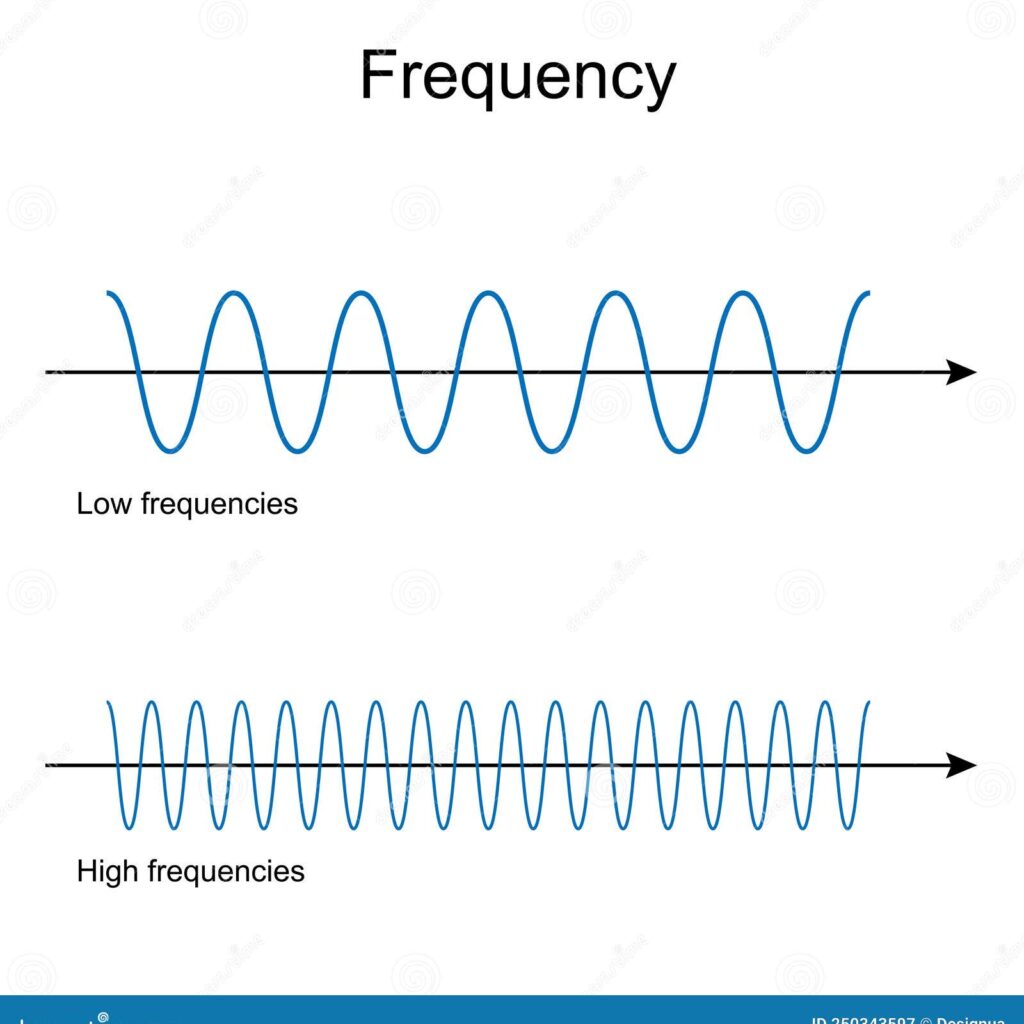
Frequency combs are specialized light sources characterized by a series of discrete, evenly spaced spectral lines. These lines resemble the keys of a piano, each representing a distinct frequency. This unique structure allows frequency combs to serve as precise frequency references in optical systems, enabling accurate control and manipulation of light signals.
- Discrete Frequencies:
Frequency combs emit multiple narrow spectral lines at regular intervals across a broad bandwidth. - Equidistant Spacing:
The uniform spacing between frequencies facilitates precise measurement and modulation of optical signals.
Fundamental Principles and Mechanism
The core functionality of frequency combs lies in their ability to generate a broad spectrum of equally spaced frequencies, which act as stable reference points for timing and frequency measurements. This property is crucial for managing the propagation of light through optical fibers, where signal distortion often occurs due to chromatic dispersion.
Chromatic dispersion causes different wavelengths of light to travel at varying speeds within the fiber, leading to pulse broadening and signal overlap. Frequency combs counteract this by enabling advanced modulation techniques that improve spectral efficiency and reduce distortion, surpassing traditional on-off keying methods.
Mathematical Explanation and Formula
The frequencies generated by a frequency comb can be described by the formula:
f_n = f_0 + n times f_r
- f_n: The frequency of the nth comb line.
- f_0: The offset frequency, representing the starting point of the comb.
- f_r: The repetition rate or spacing between adjacent comb lines.
- n: An integer representing the comb line index.
This linear relationship ensures that each frequency component is precisely defined, enabling accurate synchronization and modulation in optical communication systems.
Applications in Optical Fiber Communication
Frequency combs play a pivotal role in enhancing the quality and capacity of data transmission over optical fibers. Their evenly spaced frequencies facilitate the implementation of advanced modulation formats and error-correcting codes, which help maintain signal integrity despite noise and interference.
- Dispersion Compensation:
By providing stable reference frequencies, frequency combs help mitigate the effects of chromatic dispersion, preserving pulse shape and clarity. - Frequency Division Multiplexing (FDM):
Frequency combs enable dense channel packing by generating multiple closely spaced frequencies, maximizing bandwidth utilization and minimizing inter-channel interference. - Error Correction:
The stability of individual comb lines supports sophisticated error-correcting algorithms, improving data reliability over long distances.
Interference and Signal Enhancement
The interaction between frequency combs and optical fiber signals can be understood through interference phenomena. Constructive interference facilitated by frequency combs enhances signal strength and clarity, analogous to harmonizing waves that create calm seas rather than turbulent waters. This synergy optimizes the transmission of information encoded in light.
Emerging Role in Quantum Communications
Beyond classical optical networks, frequency combs are increasingly integral to quantum communication technologies. Their precise frequency control aids in synchronizing quantum states and transmitting quantum information securely over extended distances. This capability bridges classical photonics with the advancing field of quantum optics, promising enhanced security and performance in future communication systems.
Common Misconceptions
Frequency combs are just another type of laser.
Unlike conventional lasers that emit a single frequency, frequency combs produce a spectrum of multiple, equally spaced frequencies, enabling unique applications in precision measurement and communication.
Frequency combs only improve signal clarity.
While they enhance signal quality, frequency combs also increase data capacity, enable advanced modulation formats, and support error correction, contributing to overall system performance.
Significance and Impact
Frequency combs represent a transformative advancement in photonics, addressing fundamental challenges in optical communication such as dispersion and noise. Their ability to refine and stabilize light signals elevates the efficiency and reliability of data transmission, which is critical in an era of ever-growing bandwidth demands. Moreover, their applications extend into quantum technologies, imaging, and metrology, underscoring their broad scientific and technological importance.
Conclusion
The integration of frequency combs with optical fiber systems marks a significant milestone in the evolution of photonics. By enabling precise frequency control and mitigating signal degradation, frequency combs enhance the fidelity and capacity of optical networks. As global communication increasingly relies on rapid and reliable data exchange, frequency combs stand as a cornerstone technology, guiding the future toward unprecedented levels of optical connectivity and innovation.
FAQ
What are frequency combs?
Frequency combs are light sources that emit multiple narrow spectral lines at regular intervals, serving as precise frequency references.
How do frequency combs improve optical fiber communication?
They enhance data transmission by providing stable reference frequencies that mitigate chromatic dispersion and support advanced modulation techniques.




Leave a Reply