
Short Answer
Definition of Prairie Grasslands and Energy Frontiers
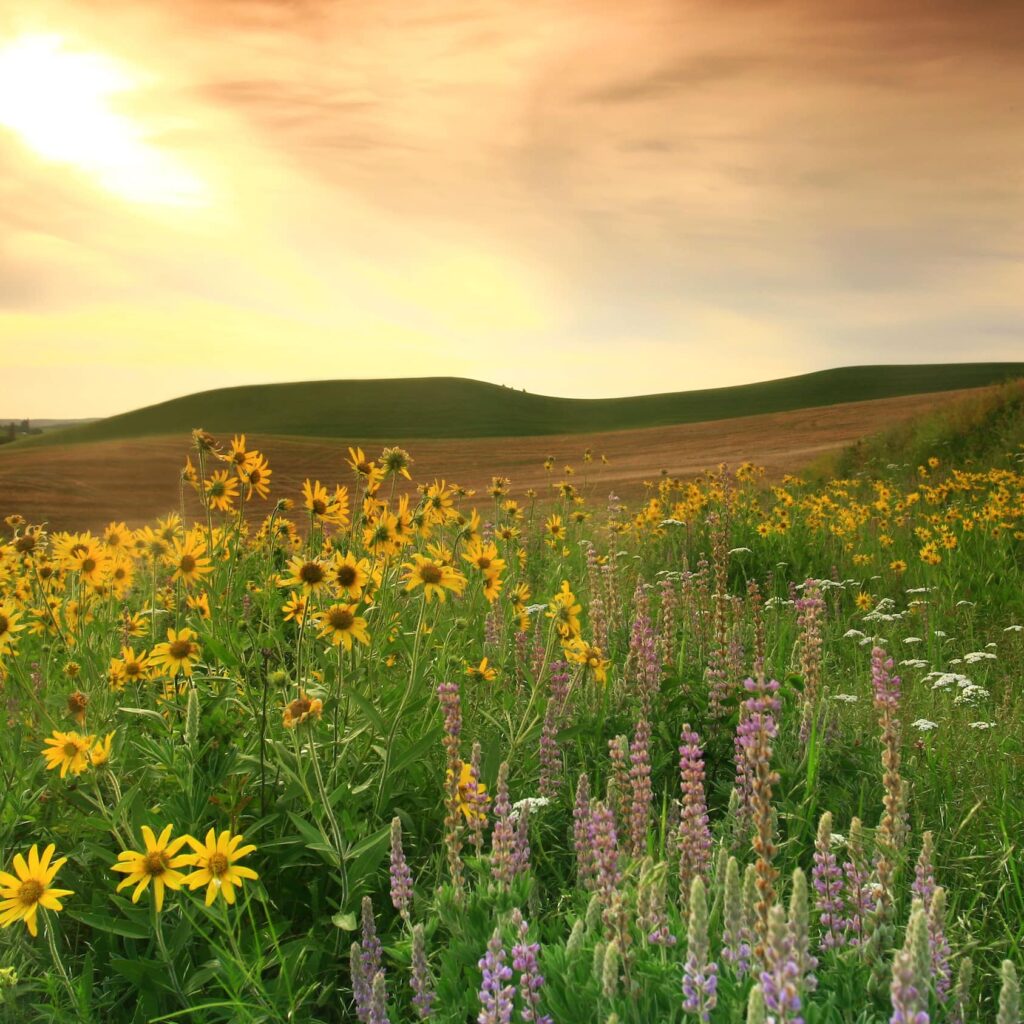
Prairie grasslands are expansive ecosystems characterized by vast stretches of grasses, rich biodiversity, and unique climatic conditions. These ecosystems, primarily located in regions such as North America, are among the most endangered habitats globally. Energy frontiers refer to the emerging fields of renewable and alternative energy technologies that aim to harness natural resources sustainably, marking a shift from traditional fossil fuel dependence to cleaner energy solutions.
- Prairie Grasslands:
Ecosystems dominated by grasses and herbaceous plants, supporting diverse flora and fauna, and playing a crucial role in ecological balance and agriculture. - Energy Frontiers:
Innovative sectors focused on developing and deploying renewable energy sources such as wind and solar power to meet growing energy demands sustainably.
Ecological Importance of Prairie Grasslands
Prairie grasslands serve as critical habitats for a wide array of plant and animal species, contributing significantly to biodiversity and ecological stability. The fertile soils and unique weather patterns foster agricultural productivity, supporting both natural ecosystems and human livelihoods. However, these grasslands face threats from urbanization, agricultural expansion, and industrial development, which disrupt native species and degrade the environment.
Historical Transformation of Prairie Landscapes
With the rise of industrialization, prairie regions have undergone substantial changes. Urban growth and mechanized agriculture have altered the natural landscape, leading to habitat loss and ecological imbalance. This transformation reflects humanity’s drive for progress and resource utilization but also highlights the environmental costs associated with such development.
Renewable Energy Integration in Prairie Regions
The vast, open spaces of prairie grasslands provide ideal conditions for renewable energy projects, particularly wind and solar power installations. These energy sources capitalize on natural elements inherent to the prairies, offering sustainable alternatives to fossil fuels.
Wind Energy Utilization
Wind turbines placed across prairie expanses harness the consistent and strong winds typical of these regions. This form of energy generation represents a significant shift towards reducing carbon emissions and promoting clean energy, although it also raises concerns about landscape alteration and wildlife impact.
Solar Power Deployment
Solar photovoltaic systems can be integrated into agricultural lands, allowing farmers to generate electricity while continuing cultivation. This dual-use approach supports economic diversification for rural communities and advances renewable energy adoption without entirely displacing traditional land uses.
Balancing Energy Development and Ecosystem Preservation
While renewable energy projects offer environmental benefits, their implementation must be carefully managed to avoid damaging the very ecosystems they depend on. Thoughtful planning and environmental assessments are essential to minimize habitat disruption and maintain ecological integrity, ensuring that energy progress does not come at the expense of natural heritage.
Cultural and Psychological Connections to Prairie Landscapes
The prairie holds a deep cultural and emotional significance for many communities, symbolizing natural beauty, freedom, and heritage. This connection influences public attitudes toward land use and energy development, underscoring the ethical responsibility of policymakers to consider environmental and societal values in energy strategies.
Energy Consumption, Sustainability, and Societal Values
Modern society’s rapid consumption patterns often conflict with sustainability principles that emphasize harmony with nature. Addressing this tension requires rethinking energy policies to balance technological innovation with ecological preservation, promoting responsible consumption and long-term environmental health.
Technological Innovations Supporting Sustainable Energy Futures
Advances in energy storage, efficiency, and smart grid technologies are pivotal in reconciling energy demands with environmental stewardship. These innovations enhance the reliability and optimization of renewable energy systems, enabling a future where prairie ecosystems and energy infrastructure coexist harmoniously.
Conclusion: Navigating the Transition from Prairie to Energy Frontier
The shift from natural prairie landscapes to energy frontiers exemplifies humanity’s adaptive capacity and innovative spirit. Successfully managing this transition involves balancing energy development with ecological conservation, fostering sustainable practices, and respecting the intrinsic value of natural environments. The future of energy lies in collaborative efforts that integrate scientific knowledge, technological progress, and ethical considerations to protect and utilize the world’s precious ecosystems responsibly.
FAQ
What are prairie grasslands?
Prairie grasslands are expansive ecosystems dominated by grasses and herbaceous plants, playing a crucial role in biodiversity and agriculture.
What are energy frontiers?
Energy frontiers refer to emerging fields of renewable and alternative energy technologies aimed at sustainable resource utilization.
How do wind and solar power benefit prairie regions?
They utilize the natural conditions of prairie landscapes for sustainable energy generation while supporting economic diversification for rural communities.





Leave a Reply