What is splitting a subatomic particle?

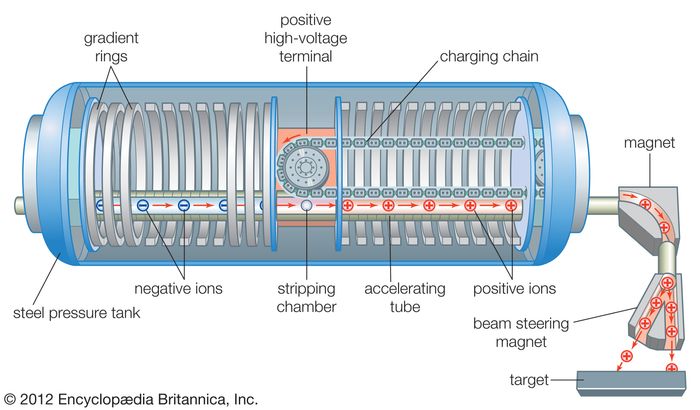
Definition of Subatomic Particle Splitting Subatomic particle splitting refers to the process by which fundamental constituents of matter are divided or transformed, revealing the intricate forces and interactions that govern the microscopic world. This phenomenon encompasses various mechanisms such as nuclear fission, particle decay, and high-energy collisions, each providing critical insights into the structure and […]

Read More →

Are negative energy and dark matter related?

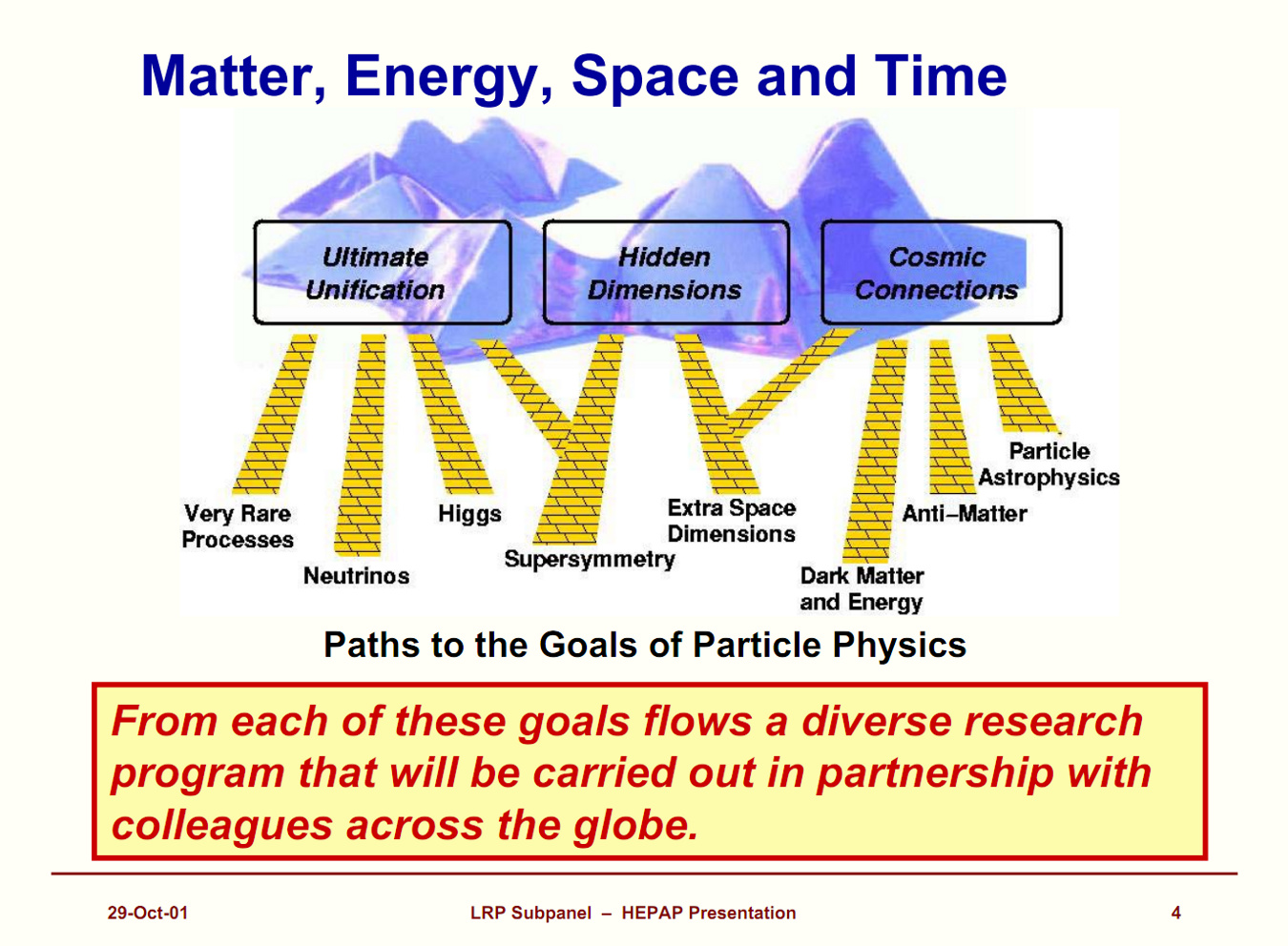
Definition of Dark Matter and Negative Energy Within the fields of cosmology and theoretical physics, two enigmatic phenomena-dark matter and negative energy-pose significant challenges to our comprehension of the universe. These concepts, while distinct, provoke questions about their possible interconnection and the broader implications for cosmic understanding. Dark Matter Dark matter is a form of […]

Read More →

Neutrinos Go Deep: Gran Sasso Experiment Gets the Green Light

Understanding Neutrinos Neutrinos are fundamental subatomic particles characterized by their extremely small mass and lack of electric charge. Generated abundantly through stellar phenomena such as nuclear fusion within the sun, these particles are integral to the study of particle physics and astrophysics. Their elusive nature, stemming from their minimal interaction with matter, makes them both […]

Read More →

Are quantum fields at rest? If so

Understanding Quantum Fields Quantum fields form the foundational framework of modern physics, underpinning our comprehension of the subatomic universe. Unlike classical physics, which treats particles as isolated entities, quantum field theory (QFT) presents particles as excitations or disturbances within continuous fields that permeate all of space. For example, an electron is not a standalone particle […]

Read More →

Why is the CERN Hadron Collider being fired up suddenly?

Overview of the Large Hadron Collider The Large Hadron Collider (LHC) stands as a monumental achievement in human innovation and scientific exploration. Situated beneath the surface near Geneva, Switzerland, it is the world’s most powerful particle accelerator. Its primary function is to propel protons to extraordinarily high energies and collide them, enabling physicists to investigate […]

Read More →

Do all nuclear reactions involve matter/energy conversion?

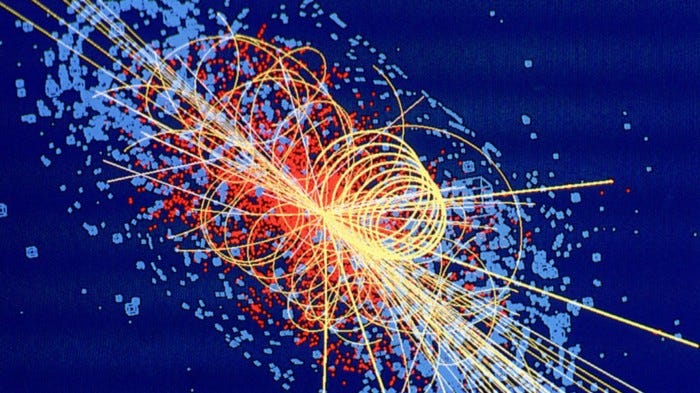
Understanding Nuclear Reactions Nuclear reactions represent a fascinating and intricate area of physics where matter and energy are deeply intertwined. Central to this field is the question: do all nuclear reactions involve the transformation of matter into energy or vice versa? To answer this, it is essential to explore the fundamental principles governing nuclear processes, […]

Read More →

Is particle physics theoretical or experimental?

Overview of Particle Physics Particle physics occupies a unique position at the intersection of theoretical speculation and experimental verification. This scientific discipline thrives on a dynamic interplay between abstract mathematical models and empirical investigations, each continuously influencing and refining the other. Together, they expand the horizons of human understanding about the universe’s most fundamental components. […]

Read More →