
Short Answer
Understanding the Appeal of Particle Physics
Particle physics, a scientific field at the intersection of fundamental research and cutting-edge technology, captivates students globally. This discipline seeks to unravel the universe’s most basic components and forces, offering both an intellectual challenge and a profound sense of wonder. But what drives individuals to embark on this demanding academic path?
Definition and Scope of Particle Physics
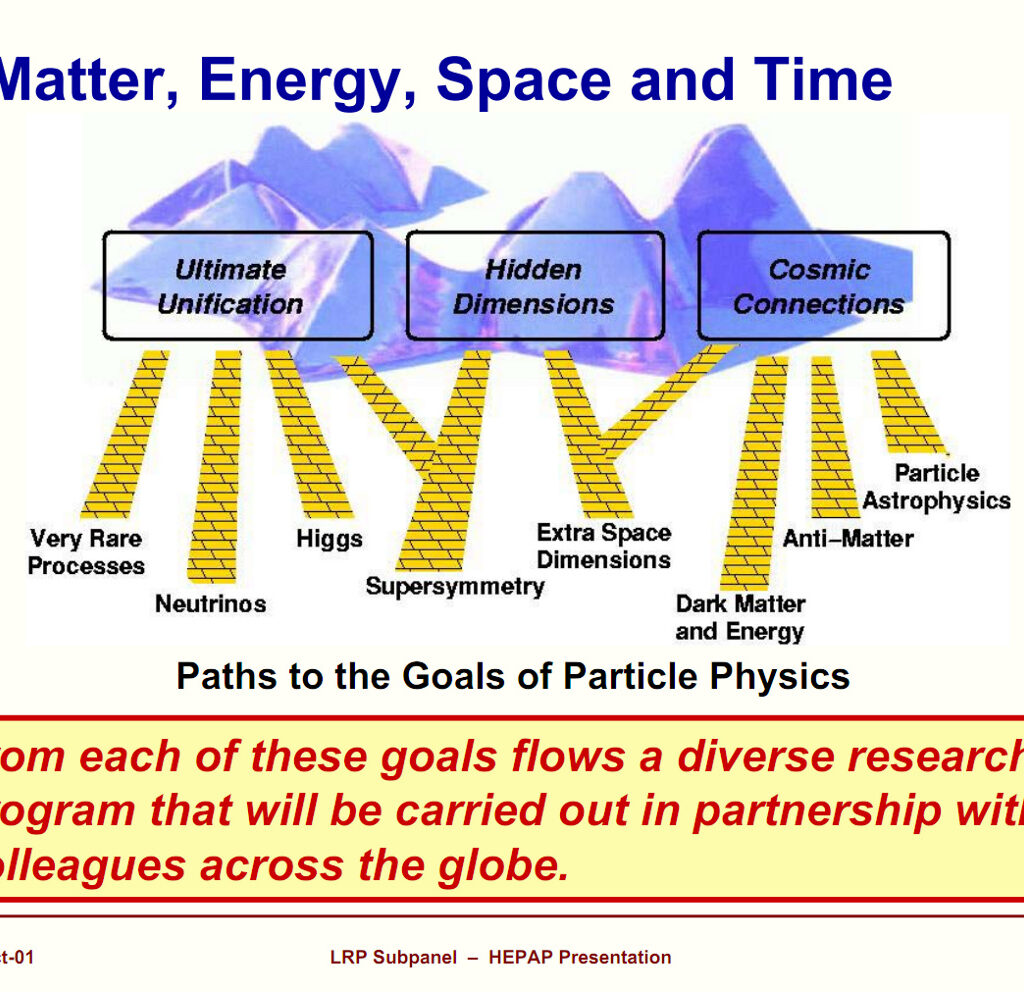
Particle physics is the branch of physics that studies the smallest known building blocks of matter and the forces that govern their interactions. It aims to understand the fundamental constituents of the universe and the laws that dictate their behavior.
- Fundamental Particles:
These include quarks, leptons, bosons, and other subatomic entities that form the fabric of matter. - Fundamental Forces:
The four primary forces-gravity, electromagnetism, strong nuclear force, and weak nuclear force-are central to particle physics research.
Intrinsic Curiosity: The Spark Behind the Pursuit
At the heart of many students’ decision to study particle physics lies a deep-seated curiosity about the cosmos. Questions about what exists beyond the visible universe and how the tiniest particles interact to create everything around us often begin in early childhood. This fascination is frequently nurtured by popular science media, documentaries, and inspiring educators who reveal the universe’s complexity and beauty. Such curiosity transforms into a proactive quest for knowledge through rigorous academic study.
Exploring the Fundamental Forces of Nature
Another compelling reason to delve into particle physics is the desire to comprehend the fundamental forces that shape the universe. Understanding how gravity, electromagnetism, and the nuclear forces operate not only advances scientific knowledge but also deepens appreciation for the universe’s intricate design. This challenge attracts students eager to decode the complex interactions that govern matter and energy.
Philosophical and Theoretical Dimensions
Particle physics also addresses profound philosophical questions about existence and reality. Investigating the subatomic world allows students to explore concepts where empirical science meets philosophical inquiry. Theoretical frameworks such as quantum mechanics and string theory push the boundaries of conventional understanding, inviting speculation about the nature of reality and encouraging intellectual engagement with abstract ideas.
The Thrill of Scientific Discovery
The potential to contribute to groundbreaking discoveries is a powerful motivator. Landmark achievements like the detection of the Higgs boson at CERN’s Large Hadron Collider exemplify the transformative impact of particle physics research. Aspiring physicists are often inspired by the prospect of participating in such monumental scientific endeavors and collaborating with leading experts in the field.
Career Opportunities and Practical Applications
Beyond intellectual fulfillment, career prospects play a significant role in attracting students to particle physics. The analytical and theoretical skills developed through this discipline are highly transferable, opening doors in academia, research institutions, healthcare technology, data science, and more. Additionally, competitive salaries and the prestige associated with advanced scientific roles add to the field’s appeal. However, the demanding nature of the coursework and research raises the question of whether financial incentives alone justify the commitment required.
Interdisciplinary Collaboration and Scientific Community
Modern particle physics thrives on collaboration across various scientific domains. Physicists often engage with cosmologists, materials scientists, and information technologists, fostering a dynamic environment of shared knowledge and innovation. This interdisciplinary approach not only enriches research but also attracts students who value teamwork and intellectual exchange.
Societal Impact and Technological Innovations
Research in particle physics has led to significant technological advancements with broad societal benefits. Innovations such as improved medical imaging techniques, radiation therapies, and advancements in computing have roots in particle physics discoveries. Many students are motivated by the opportunity to contribute to solutions addressing global challenges like climate change and sustainable energy, linking abstract scientific inquiry to real-world applications.
Challenges and Demands of the Discipline
The path to earning a degree in particle physics is rigorous and demanding. Students must navigate complex mathematical frameworks and abstract theoretical concepts, requiring exceptional dedication and resilience. The intensity of the curriculum often tests students’ limits, prompting reflection on whether the pursuit of fundamental knowledge justifies the effort involved.
Competitive Academic Environment
Admission to prestigious graduate programs in particle physics is highly competitive, often necessitating outstanding academic records, research experience, and standardized test scores. This competitive atmosphere can be intimidating, sometimes leading to self-doubt among applicants. Consequently, robust support systems and encouragement are essential to help students overcome obstacles and succeed in their scientific ambitions.
Conclusion: The Journey of Discovery
The motivations for studying particle physics are diverse, ranging from an insatiable curiosity about the universe to aspirations for impactful careers and societal contributions. While the challenges are significant, the rewards include intellectual growth, participation in cutting-edge research, and the satisfaction of contributing to humanity’s understanding of the cosmos. Ultimately, pursuing particle physics is a profound journey of exploration and discovery, reflecting the enduring human quest to comprehend the fundamental nature of reality.
FAQ
What are the main motivations for studying particle physics?
Main motivations include intrinsic curiosity about the universe, the desire to understand fundamental forces, opportunities for scientific discovery, and career prospects in various fields.
What career opportunities are available for graduates in particle physics?
Graduates can pursue careers in academia, research institutions, healthcare technology, data science, and more, often enjoying competitive salaries and job prestige.





Leave a Reply