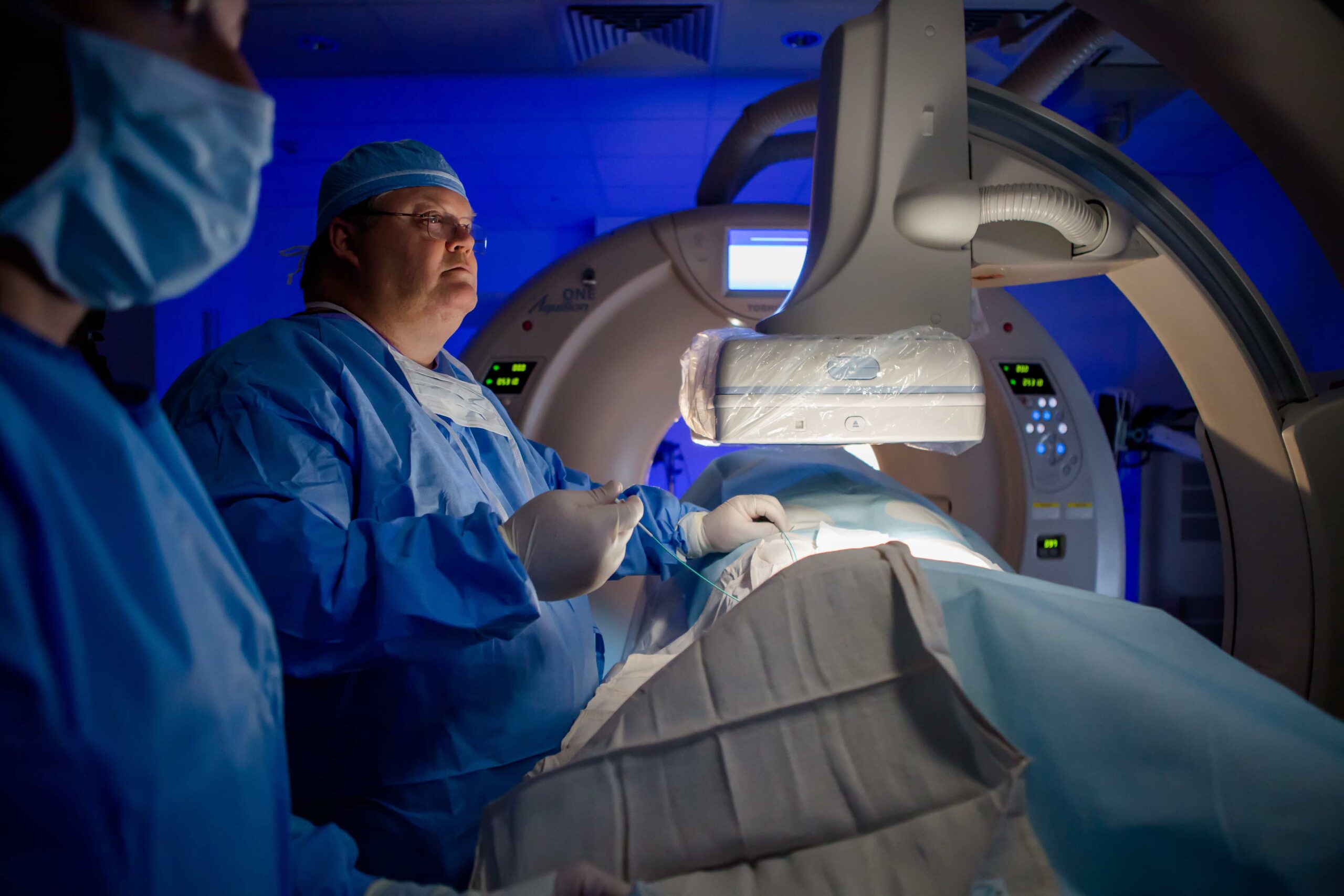
What type of radiation is used in hospitals?

Definition of Radiation in Medical Settings Radiation refers to the emission and propagation of energy through space or a medium in the form of waves or particles. In the context of healthcare, radiation is a critical tool used for both diagnosing and treating various medical conditions. Hospitals employ different types of radiation, each selected based […]


Read More →

How does an MRI incorporate optics mirror and/or lenses?

Definition of Optics in MRI Optics in Magnetic Resonance Imaging (MRI) refers to the application of optical principles-such as the use of lenses and mirrors-to enhance the detection, focusing, and manipulation of signals within MRI systems. This integration improves image clarity and precision, enabling detailed visualization of internal anatomical structures beyond the capabilities of magnetic […]

Read More →

What jobs exists for MD/PhDs outside of academia?

Definition of the MD/PhD Dual Degree The MD/PhD dual degree represents a unique educational pathway that combines comprehensive clinical training with in-depth scientific research expertise. This integrated program equips graduates with a rare blend of skills, enabling them to excel in both patient care and biomedical investigation. The dual qualification prepares individuals for diverse professional […]

Read More →

Is radiology a clinical subject?

Definition of Radiology Radiology is a specialized branch of medicine that combines both scientific principles and artistic interpretation to produce medical images. It serves as a critical interface between clinical healthcare and advanced technological tools, enabling healthcare professionals to visualize internal body structures and functions. This discipline plays a fundamental role in diagnosing, managing, and […]

Read More →

Are topics same for medical and non medical in physics?

Definition and Scope of Medical and Non-Medical Physics Physics, as a broad scientific discipline, encompasses various specialized branches, including medical and non-medical physics. While these areas may initially appear distinct, they share foundational principles that interconnect their fields of study. Medical Physics: This branch applies physical concepts and techniques to medicine, focusing on areas such […]

Read More →

Can a medical physicist study radiology at Ph.D level?

Definition and Scope of Medical Physics and Radiology Medical physics and radiology are closely related yet distinct disciplines within healthcare, each playing a vital role in medical imaging and treatment. Medical physics applies the principles of physics to medicine, focusing on areas such as radiation therapy, diagnostic imaging, and radiation safety. Medical physicists specialize in […]

Read More →

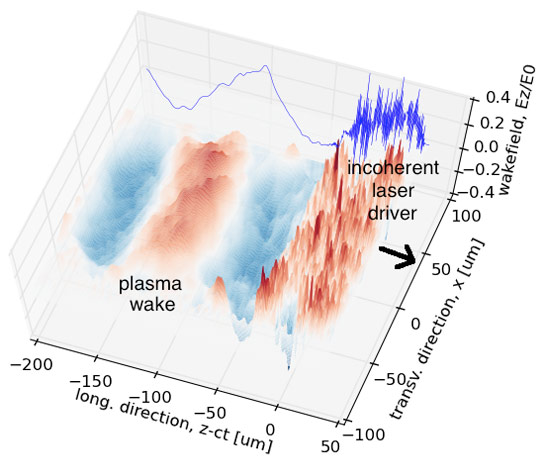
How long until we miniaturize particle accelerators?

Definition of Particle Accelerator Miniaturization Miniaturization refers to the process of scaling down complex technological systems into smaller, more efficient, and manageable forms. In the context of particle accelerators, it involves designing compact devices capable of accelerating charged particles-such as electrons and protons-to high energies within significantly reduced physical footprints compared to traditional large-scale accelerators. […]

Read More →

How do you become a radiologist after a physics degree?

Definition of Radiology and the Role of a Radiologist Radiology is a medical specialty focused on using various imaging technologies to diagnose and treat diseases. Radiologists are physicians trained to interpret medical images such as X-rays, magnetic resonance imaging (MRI), computed tomography (CT) scans, and ultrasounds. Their expertise is essential for accurate diagnosis and guiding […]

Read More →

What’s an MRI and what are its side effects?

Definition of Magnetic Resonance Imaging (MRI) Magnetic Resonance Imaging (MRI) is a sophisticated diagnostic imaging method that employs strong magnetic fields and radiofrequency waves to produce highly detailed images of the body’s internal structures. Unlike imaging techniques such as X-rays or computed tomography (CT) scans, MRI does not use ionizing radiation, making it a safer […]

Read More →

What is the need of physics in pre medical?

Definition Physics is the branch of science concerned with the nature and properties of matter and energy. In the context of medicine, it provides the fundamental principles that explain how biological systems function and interact with various physical forces. For pre-medical students, understanding physics is crucial as it forms the scientific basis for many medical […]

Read More →