Blood-Free Diagnostics? Testing Without Needles

Definition of Blood-Free Diagnostics Blood-free diagnostics refer to medical testing methods that do not require the traditional extraction of blood samples. These innovative approaches aim to assess health conditions through non-invasive or minimally invasive techniques, eliminating the need for needles and reducing patient discomfort. By analyzing alternative biological materials such as skin secretions or exhaled […]

Read More →

Are doctors useless without a medical lab and radiology?

Definition The question of whether physicians lose their effectiveness without access to medical laboratories and radiological technologies probes the core of medical practice. It challenges the perception of doctors as mere operators of diagnostic devices versus their intrinsic value as skilled clinicians. This debate highlights a fundamental inquiry: are doctors simply dependent on modern diagnostic […]

Read More →

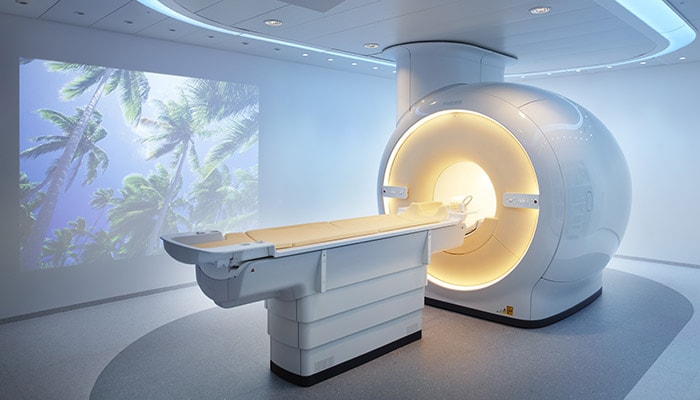
How do full-body MRI scans work? How safe are they?

Definition of Full-Body MRI Scans Full-body Magnetic Resonance Imaging (MRI) is a non-invasive diagnostic technique that produces detailed images of the entire human body. Utilizing powerful magnetic fields and radio waves, this imaging method reveals internal anatomical structures without the need for surgical intervention or exposure to ionizing radiation. Fundamental Principles of MRI Technology At […]

Read More →

Bursting Bubbles Drive Micromotors: Tiny Engines With Big Potential

Definition of Micromotors and Bubble Dynamics Micromotors are tiny mechanical devices designed to operate at microscopic scales, capable of performing specific tasks within fluid environments. These miniature machines are constructed from a variety of materials, including metals and polymers, and have applications ranging from medical therapies to environmental sensing. A novel advancement in this domain […]

Read More →

Is studying physics harder than studying medicine?

Understanding the Challenge: Physics vs. Medicine When choosing a path in higher education, many students wonder: Is pursuing physics more challenging than studying medicine? Both fields demand intense intellectual effort, yet they differ fundamentally in their nature and the types of challenges they present. This article explores the complexities inherent in both disciplines, highlighting their […]

Read More →

X-Rays in Full Colour: Seeing Science in High Definition

Understanding X-Ray Imaging X-rays have long been an indispensable instrument in both medical diagnostics and scientific research. Traditionally, these images are presented in shades of gray, which, while effective, limit the depth of information conveyed. The concept of introducing full-color visualization to X-ray images opens new avenues for enhanced interpretation and understanding of complex internal […]

Read More →

What should you expect from your MRI in-bore experience?

Definition of the MRI In-Bore Experience The MRI in-bore experience refers to the process a patient undergoes while positioned inside the cylindrical tunnel of a Magnetic Resonance Imaging (MRI) machine. This diagnostic technique uses powerful magnetic fields and radiofrequency waves to produce detailed images of internal body structures, aiding in the evaluation of complex anatomical […]

Read More →

What is Nuclear Magnetic Resonance imaging?

Definition of Nuclear Magnetic Resonance Imaging Nuclear Magnetic Resonance (NMR) imaging, more commonly referred to as Magnetic Resonance Imaging (MRI), is a groundbreaking, non-invasive diagnostic technique widely employed in medical settings to visualize the internal anatomy of the human body. This advanced imaging method utilizes the principles of nuclear magnetic resonance to generate highly detailed […]

Read More →

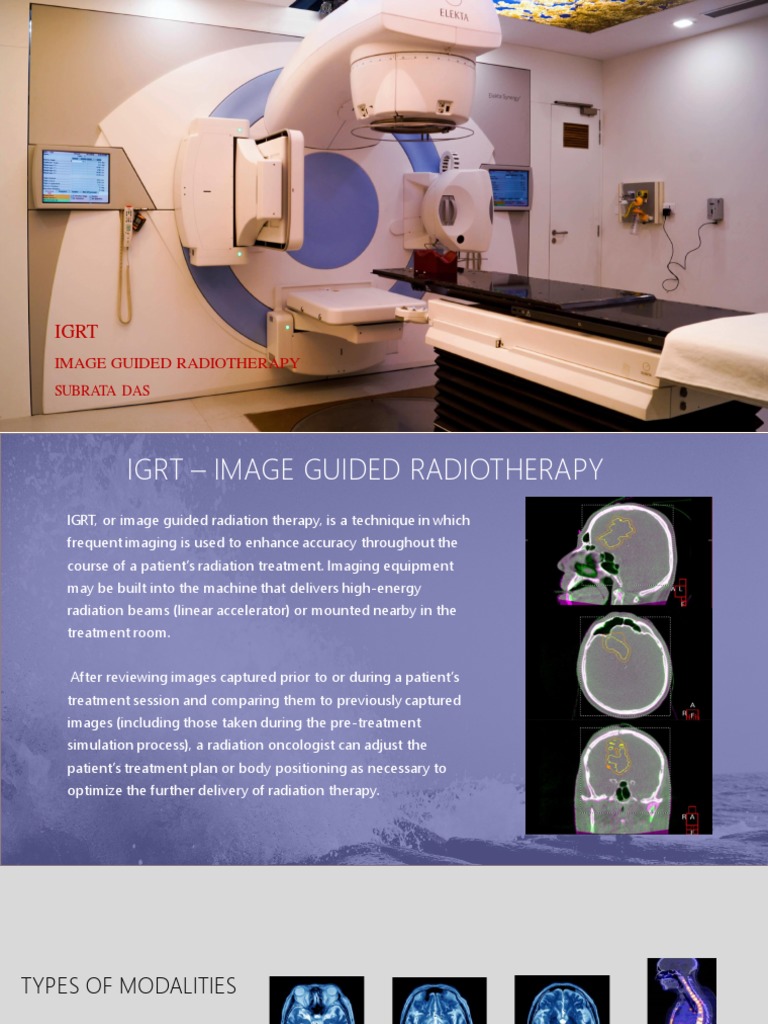
What is IGRT in radiation therapy?

Definition of Image Guided Radiotherapy (IGRT) Image Guided Radiotherapy (IGRT) is a cutting-edge technique in radiation oncology that integrates advanced imaging methods with radiation treatment delivery to enhance the precision of cancer therapy. It involves the use of imaging, typically conducted immediately before or during radiation sessions, to verify and adjust the position of the […]

Read More →

Is it possible to become an oncologist without a PhD?

Understanding Oncology as a Medical Specialty Oncology is a distinguished branch of medicine dedicated to the diagnosis, treatment, and management of cancer. This field demands extensive medical knowledge, clinical skills, and often a deep comprehension of biological processes underlying cancer development and progression. Aspiring oncologists typically undergo rigorous education and training to prepare for the […]

Read More →