

Short Answer
Definition of Magnetic Resonance Imaging (MRI)
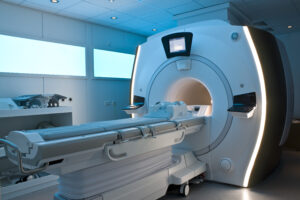
Magnetic Resonance Imaging (MRI) is a sophisticated diagnostic imaging method that employs strong magnetic fields and radiofrequency waves to produce highly detailed images of the body’s internal structures. Unlike imaging techniques such as X-rays or computed tomography (CT) scans, MRI does not use ionizing radiation, making it a safer alternative for visualizing soft tissues and organs. This technology plays a vital role in medical diagnostics by enabling clinicians to detect and evaluate a wide range of health conditions.
Principles Behind MRI Technology
MRI operates by exploiting the magnetic properties of hydrogen nuclei, which are abundant in the human body due to the high water content in tissues. When placed within a powerful magnetic field, these hydrogen atoms align with the field and respond to radiofrequency pulses by emitting signals. These signals are captured and processed by advanced computer systems to generate detailed images. The exceptional contrast resolution of MRI makes it particularly effective for examining soft tissues, such as the brain, muscles, and internal organs.
Types and Specialized Techniques of MRI
MRI scans are often categorized based on the anatomical region being examined or the specific diagnostic purpose. Common types include brain MRI, spinal MRI, and abdominal MRI. Beyond these, specialized MRI techniques provide additional functional and structural information:
- Functional MRI (fMRI):
Measures changes in blood flow to assess brain activity, aiding in neurological research and clinical evaluation. - Magnetic Resonance Angiography (MRA):
Visualizes blood vessels non-invasively, helping to detect vascular abnormalities without the need for catheter-based procedures.
Safety Considerations in MRI Procedures
Although MRI is widely considered safe, certain precautions are necessary to prevent adverse effects. One primary concern involves patients with metallic implants such as pacemakers, cochlear implants, or some prosthetic devices. The strong magnetic field can interfere with these devices, potentially causing malfunction or injury. Therefore, thorough screening is essential before conducting an MRI to identify any contraindications.
Biological Effects of Magnetic Fields in MRI
The static and time-varying magnetic fields used during MRI can induce mild biological responses. Some patients report sensations like warmth or tingling, which result from the interaction between radiofrequency energy and body tissues. While these effects are generally harmless, they may cause discomfort, especially in individuals with heightened sensitivity.
Use of Contrast Agents: Advantages and Risks
To enhance image clarity and highlight specific anatomical features, contrast agents-most commonly gadolinium-based compounds-are sometimes administered during MRI scans. These agents improve diagnostic precision but carry potential risks:
- Allergic Reactions:
Patients may experience mild symptoms such as itching or hives, or in rare cases, severe anaphylaxis requiring urgent care. - Gadolinium Retention and Kidney Concerns:
In individuals with impaired renal function, gadolinium exposure can lead to nephrogenic systemic fibrosis (NSF), a rare but serious condition involving tissue fibrosis. Hence, careful assessment of kidney health is crucial before contrast use.
Psychological Impact During MRI Scanning
Some patients experience anxiety or claustrophobia due to the confined space inside the MRI machine and the loud noises produced during scanning. These psychological responses can be distressing, particularly for those with pre-existing anxiety disorders. To mitigate discomfort, options such as pre-scan sedation or the use of open MRI systems with less restrictive designs may be recommended.
Post-Procedure Guidelines and Monitoring
Following an MRI, most individuals can immediately return to their usual activities unless sedation or contrast agents were involved. The duration of the scan varies from approximately 15 minutes to over an hour, depending on the complexity. It is important to observe patients for any delayed adverse reactions, especially if contrast media were administered.
Significance of MRI in Modern Medicine
MRI has revolutionized medical imaging by providing a non-invasive, radiation-free method to obtain high-resolution images of soft tissues and organs. Its ability to detect subtle abnormalities enhances diagnostic accuracy across numerous medical fields, including neurology, oncology, and orthopedics. Understanding the benefits and limitations of MRI ensures that healthcare providers can optimize its use while safeguarding patient well-being.
Common Misunderstandings About MRI
- Misconception: MRI scans expose patients to harmful radiation.
Correction: MRI uses magnetic fields and radio waves, not ionizing radiation, making it safer than X-rays or CT scans. - Misconception: All metal implants are unsafe for MRI.
Correction: While some implants pose risks, many modern devices are MRI-compatible; thorough screening determines safety on a case-by-case basis. - Misconception: Contrast agents are always dangerous.
Correction: Contrast agents improve image quality and are generally safe when used appropriately, with risks minimized by pre-screening and monitoring.
FAQ
What is MRI?
MRI stands for Magnetic Resonance Imaging, a technique used to create detailed images of organs and tissues in the body.
Is MRI safe?
MRI is considered safe for most patients, but those with certain implants may need special precautions.
What are common side effects of MRI?
Common side effects include mild warmth or tingling sensations and anxiety due to confined spaces.





Leave a Reply