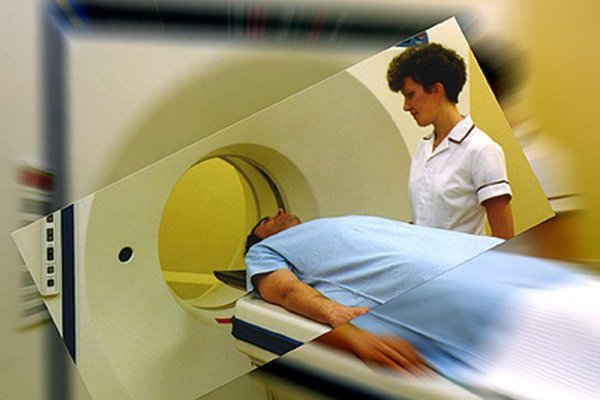
What is the salary of a medical physicist?

Definition of a Medical Physicist A medical physicist is a healthcare professional who applies the principles and methods of physics to medicine, particularly in the diagnosis and treatment of diseases. This role bridges the gap between physics and clinical practice, ensuring the safe and effective use of medical technologies such as radiation therapy, diagnostic imaging, […]

Read More →

Should I Become a Neurosurgeon or a Heart Surgeon? A Career Dissection

Definition of Neurosurgery and Cardiothoracic Surgery Neurosurgery and cardiothoracic surgery are two highly specialized branches of surgical medicine, each focusing on distinct anatomical regions and medical conditions. Neurosurgery deals with the diagnosis and treatment of disorders affecting the nervous system, including the brain, spinal cord, and peripheral nerves. Cardiothoracic surgery, on the other hand, concentrates […]

Read More →

Can physics be useful for oncology studies?

Definition The convergence of physics and oncology represents a dynamic interdisciplinary field that leverages physical science principles to enhance cancer research and treatment. This integration reveals how concepts traditionally associated with physics can offer profound insights into the biological complexities of cancer, fostering innovative approaches to diagnosis, therapy, and understanding tumor behavior. Medical Physics in […]

Read More →

Can I get a bachelor’s in physics and still go to med. school?

Definition The pursuit of a bachelor’s degree in physics with the intention of advancing to medical school represents a unique academic and professional pathway. This interdisciplinary approach combines the rigorous study of physical sciences with the compassionate practice of medicine, blending analytical skills with human-centered care. It challenges traditional educational routes by integrating the precision […]

Read More →

How can a BSc physics graduate become a radiation doctor?

Definition of a Radiation Doctor A radiation doctor, commonly known as a medical physicist, is a healthcare professional who applies the principles of physics to the diagnosis and treatment of diseases using radiation. Their expertise ensures that radiation therapies are delivered accurately and safely, primarily in oncology settings where radiation is used to treat cancer […]

Read More →

How to start a research career in medical imaging?

Overview of Medical Imaging Research Careers Medical imaging represents a vital intersection between cutting-edge technology and healthcare, offering profound insights into the complexities of human anatomy and physiology. For those aspiring to enter this dynamic field, a career in medical imaging research presents both stimulating intellectual challenges and the opportunity to make meaningful contributions to […]


Read More →

Can you tell me everything you know about MRIs?

Definition of Magnetic Resonance Imaging (MRI) Magnetic Resonance Imaging, commonly known as MRI, is a cutting-edge medical imaging technique that offers detailed visualization of the body’s internal anatomy and physiological processes. It has revolutionized diagnostic medicine by providing high-resolution images without the use of ionizing radiation, making it an essential tool in modern healthcare. Non-invasive […]

Read More →

Lasers Linacs & Lungs: A Physicist’s Guide to Medical Marvels

Definition and Overview The intersection of laser technology, linear accelerators (linacs), and pulmonary medicine represents a fascinating convergence of physics and healthcare. This triad highlights the profound impact of advanced technologies on medical treatments, particularly in addressing lung-related conditions. By examining each component’s unique role and their combined application, we gain insight into how modern […]

Read More →

How dangerous is it to get too many scans (CT MRI)?

Definition of Medical Imaging Technologies Medical imaging encompasses a range of diagnostic techniques that visualize the internal structures and functions of the human body. Among these, Computed Tomography (CT) and Magnetic Resonance Imaging (MRI) are prominent modalities widely used to detect and monitor various medical conditions. Computed Tomography (CT): A diagnostic tool that employs ionizing […]

Read More →

Can a medical physicist study neuroscience?

Definition of Medical Physics and Neuroscience Medical Physics: Medical physics is a specialized branch of physics focused on applying physical principles and techniques to healthcare. It primarily deals with the use of radiation in medicine, encompassing diagnostic imaging, radiation therapy, and safety measures to protect patients and healthcare workers. Medical physicists develop, optimize, and maintain […]

Read More →