

Short Answer
Definition of Radiology and the Role of a Radiologist
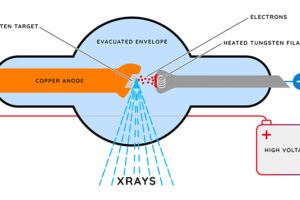
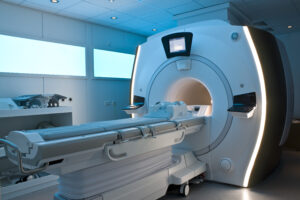
Radiology is a medical specialty focused on using various imaging technologies to diagnose and treat diseases. Radiologists are physicians trained to interpret medical images such as X-rays, magnetic resonance imaging (MRI), computed tomography (CT) scans, and ultrasounds. Their expertise is essential for accurate diagnosis and guiding treatment decisions. A solid understanding of physics principles, including radiation physics, wave behavior, and signal processing, enhances a radiologist’s ability to comprehend and utilize these imaging modalities effectively.
Educational Pathway: From Physics to Radiology
Undergraduate Studies in Physics
Beginning with a bachelor’s degree in physics provides a strong scientific foundation for aspiring radiologists. The curriculum typically covers core topics such as mechanics, electromagnetism, thermodynamics, and quantum mechanics, which cultivate analytical thinking and problem-solving skills. This rigorous training not only prepares students for the intellectual demands of medical school but also deepens their understanding of the technical aspects behind medical imaging technologies. During this phase, gaining exposure to healthcare environments through internships, volunteering, or shadowing medical professionals is highly beneficial.
Medical School Admission Requirements
Transitioning from a physics degree to medical school requires meeting specific prerequisites and excelling in the Medical College Admission Test (MCAT). The MCAT evaluates knowledge in biological sciences, physical sciences, and critical reasoning, ensuring candidates are well-prepared for medical education. Additionally, completing prerequisite courses in biology, chemistry, and mathematics is necessary to build a comprehensive scientific background.
Medical School Curriculum and Clinical Exposure
Medical education spans four years, divided into preclinical and clinical phases. The initial years focus on foundational medical sciences such as anatomy, pharmacology, histology, and pathophysiology. The latter years emphasize clinical rotations across various specialties, including internal medicine, surgery, and pediatrics. During clinical training, students should actively seek opportunities to engage with radiology departments to confirm their interest and begin building professional networks within the specialty.
Specialized Training in Radiology
Residency in Diagnostic Radiology
After medical school, physicians enter a diagnostic radiology residency program, typically lasting four years. This intensive training covers the interpretation of diverse imaging studies, performing image-guided interventions, and managing patient care related to radiologic findings. Many residency programs offer subspecialty tracks or fellowships in areas such as interventional radiology, pediatric radiology, or neuroradiology, allowing residents to tailor their expertise according to their career goals.
Board Certification and Licensing
To practice independently, radiologists must obtain board certification from the American Board of Radiology (ABR) or equivalent certifying bodies. This involves passing comprehensive exams that assess both theoretical knowledge and clinical skills. Additionally, acquiring a medical license is mandatory, with requirements varying by jurisdiction. This process includes verification of education, successful completion of examinations, and sometimes additional state-specific assessments.
Continuous Professional Development in Radiology
Radiology is a rapidly advancing field, driven by technological innovations and evolving clinical practices. Radiologists must engage in lifelong learning through continuing medical education (CME) to maintain their certification and stay current with new developments. Participation in professional conferences, workshops, and medical societies further enhances their expertise and professional network.
Advantages of a Physics Background in Radiology
A foundation in physics equips radiologists with unique analytical skills that enhance their understanding of imaging technologies. Proficiencies in quantitative analysis, spatial reasoning, and problem-solving enable them to interpret complex images accurately and contribute to technological advancements in the field. This background also supports involvement in research, fostering innovation in imaging techniques and improving diagnostic methodologies.
Real-World Applications of Radiology
Radiology plays a critical role in modern healthcare by enabling non-invasive diagnosis and treatment planning. For example:
- Oncology:
Imaging guides tumor detection, staging, and monitoring response to therapy. - Cardiology:
Techniques like CT angiography help visualize blood vessels and diagnose cardiovascular diseases. - Emergency Medicine:
Rapid imaging assessments assist in identifying fractures, internal bleeding, and other acute conditions.
Common Misconceptions About Radiology Careers
Radiologists only operate machines.
Radiologists are physicians who interpret images and make critical diagnostic and treatment decisions.
A physics degree is insufficient preparation for medical school.
Physics provides a strong analytical foundation that complements medical training, especially in radiology.
Significance of Radiology in Healthcare
Radiology is indispensable in contemporary medicine, bridging the gap between physical sciences and clinical practice. It enhances diagnostic accuracy, informs treatment strategies, and improves patient outcomes. The integration of physics principles into radiology fosters technological innovation, making it a vital specialty for advancing medical science and patient care.
FAQ
What is the role of a radiologist?
Radiologists are physicians who use imaging technologies to diagnose and treat diseases, interpreting medical images such as X-rays and MRIs.
Can I become a radiologist with a physics degree?
Yes, a physics degree provides a strong analytical foundation that is beneficial for medical school and a career in radiology.



Leave a Reply