How are cosmic rays produced?

Definition of Cosmic Rays Cosmic rays are highly energetic particles originating from outer space that continuously bombard the Earth. These particles primarily consist of protons but also include heavier atomic nuclei and, less frequently, high-energy electrons. Their study is crucial for understanding both fundamental physics and the broader workings of the universe. Composition: Mainly protons, […]

Read More →

Astrophysicists Win Euro Prize: Rewarded for Rethinking the Universe

Overview of the Euro Prize in Astrophysics Recently, three distinguished astrophysicists were honored with the esteemed Euro Prize, a recognition celebrating their pioneering contributions to unraveling the universe’s complex structure. This award highlights a transformative shift in astrophysical research, marking a new era in the exploration of cosmology, gravitation, and the fundamental nature of reality. […]

Read More →

Astronomy Meets Angels: A Divine Comedy in the Cosmos

Definition of Astronomy and Its Philosophical Dimensions Astronomy is the scientific study of celestial objects, space, and the universe as a whole, grounded in systematic observation and empirical evidence. Beyond its scientific scope, astronomy has historically inspired profound philosophical and spiritual reflections. The grandeur of stars, galaxies, and cosmic phenomena often evokes a sense of […]

Read More →

What formed first

Definition of Cosmic Element Formation The origin of elements in the universe traces back to the earliest moments following the Big Bang, the event that initiated the expansion of space and time. This process encompasses the creation of fundamental particles and the subsequent synthesis of atomic nuclei, laying the groundwork for all matter observed today. […]

Read More →

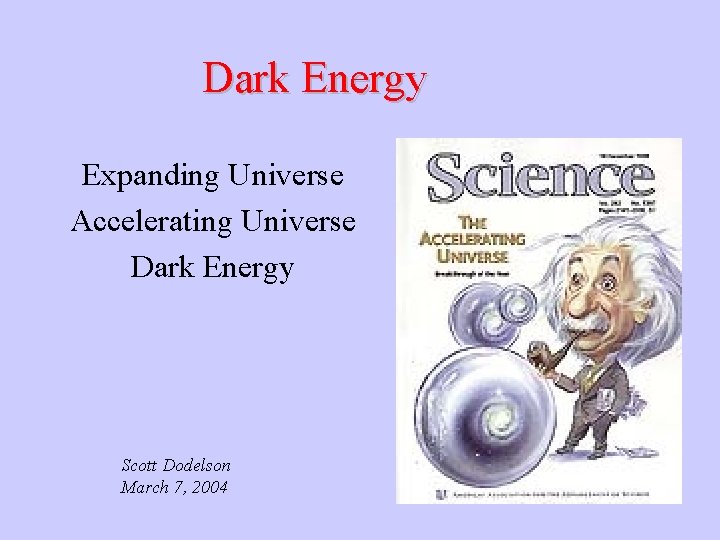
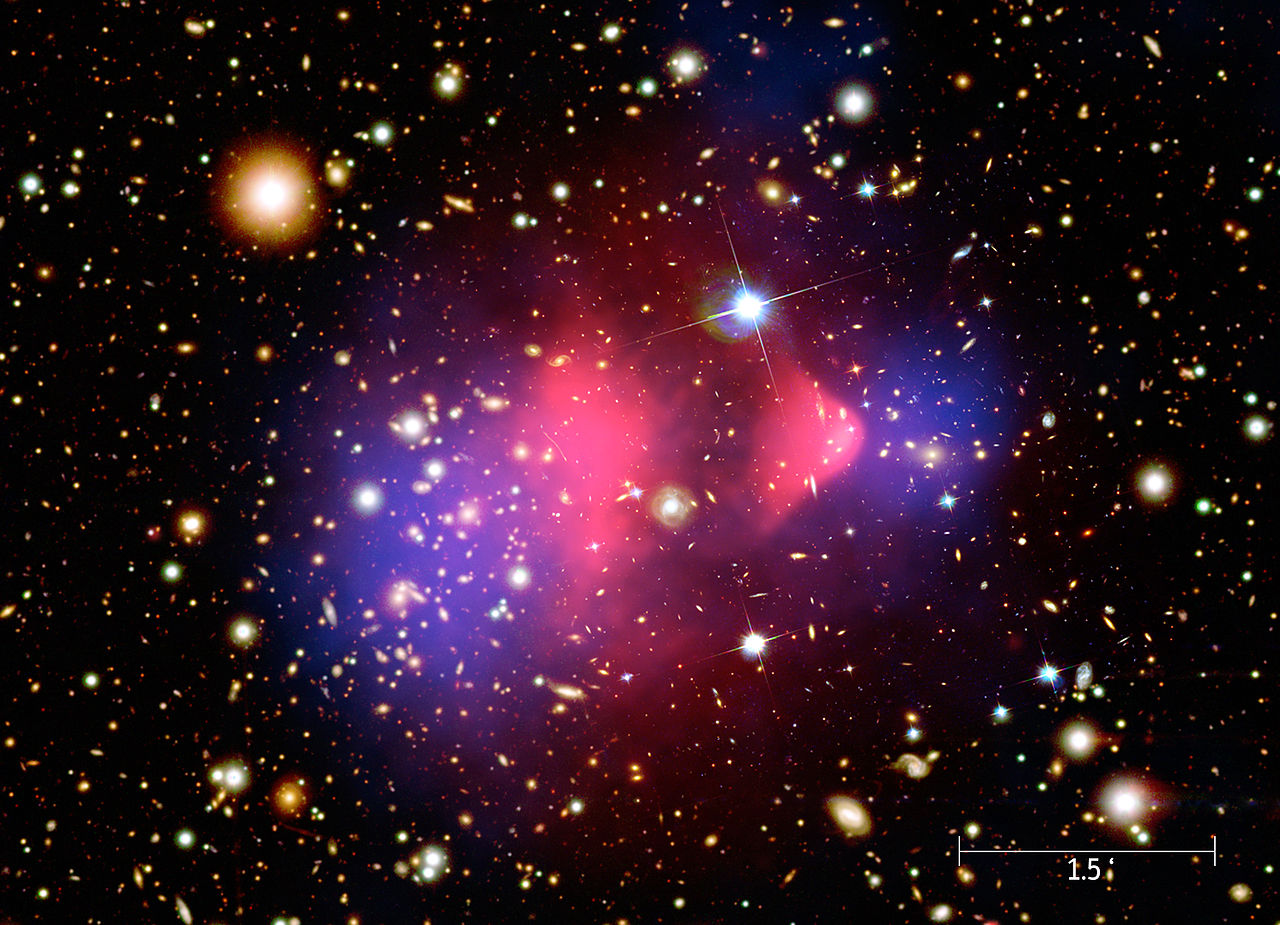
What is the difference between dark energy and dark matter?

Definition Dark matter and dark energy are two fundamental yet mysterious constituents of the universe that profoundly influence its structure and evolution. Despite sharing the prefix “dark,” they differ significantly in nature, behavior, and cosmic roles. Dark Matter: A type of matter that neither emits nor absorbs light, making it invisible to conventional telescopes. Its […]

Read More →

How can someone generate a cosmic ray?

Definition of Cosmic Rays Cosmic rays are highly energetic particles originating from outer space, traveling at velocities close to the speed of light. These particles primarily consist of protons and atomic nuclei with energies surpassing those achievable by Earth-based particle accelerators. Their study offers valuable insights into the fundamental workings of the universe and the […]

Read More →

Can cosmic rays change or destroy human memory?

Definition of Cosmic Rays and Their Interaction with Human Memory Cosmic rays are highly energetic particles, predominantly protons and atomic nuclei, that originate from various astrophysical sources such as supernovae and active galactic nuclei. These particles travel through space at nearly the speed of light and, upon reaching Earth, collide with the atmosphere, generating cascades […]

Read More →

Are Cosmic Rays Harmful? The Truth from a Physicist’s Lens

Definition of Cosmic Rays Cosmic rays are highly energetic charged particles, predominantly protons, that originate from sources beyond our solar system. These particles travel through space at speeds approaching that of light, carrying energies far surpassing those produced by human-made particle accelerators. Their genesis is linked to powerful cosmic phenomena such as supernova explosions, active […]

Read More →

Comet Samples Return to Earth: Cosmic Delivery Complete

Definition of Comet Sample Return The retrieval of cometary material and its delivery back to Earth represents a groundbreaking milestone in planetary science. This process involves collecting physical samples from comets-icy celestial bodies composed of primordial substances-and transporting them to Earth for detailed laboratory examination. These samples provide invaluable insights into the early solar system’s […]

Read More →

What would a planet be like if it were two dimensional?

Understanding a Two-Dimensional Planet Imagining a planet confined to two dimensions challenges our fundamental grasp of space, matter, and life. Unlike the familiar three-dimensional planets characterized by mass, volume, and gravity, a two-dimensional world exists solely with length and width, lacking any true height. This conceptual shift invites profound implications across physics, biology, and philosophy, […]

Read More →