Between the Lines – A Multiverse Special: Infinite Universes or Infinite Interpretations?

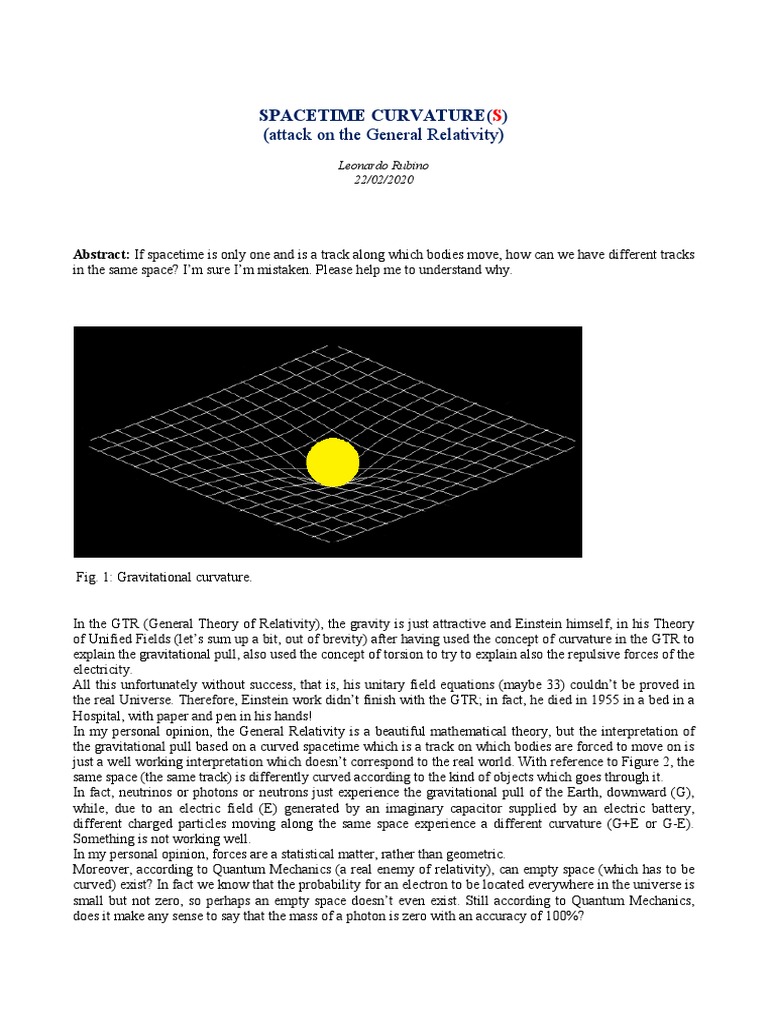
Understanding the Multiverse Concept The multiverse theory has become a focal point in modern cosmology and theoretical physics, sparking debates about whether our reality is just one among countless parallel universes or if all perspectives ultimately describe a single universe. This idea extends beyond physical science, touching on philosophical questions about the nature of existence […]

Read More →

Thinking Big: The Astrophysicist with a Universe-Sized Vision

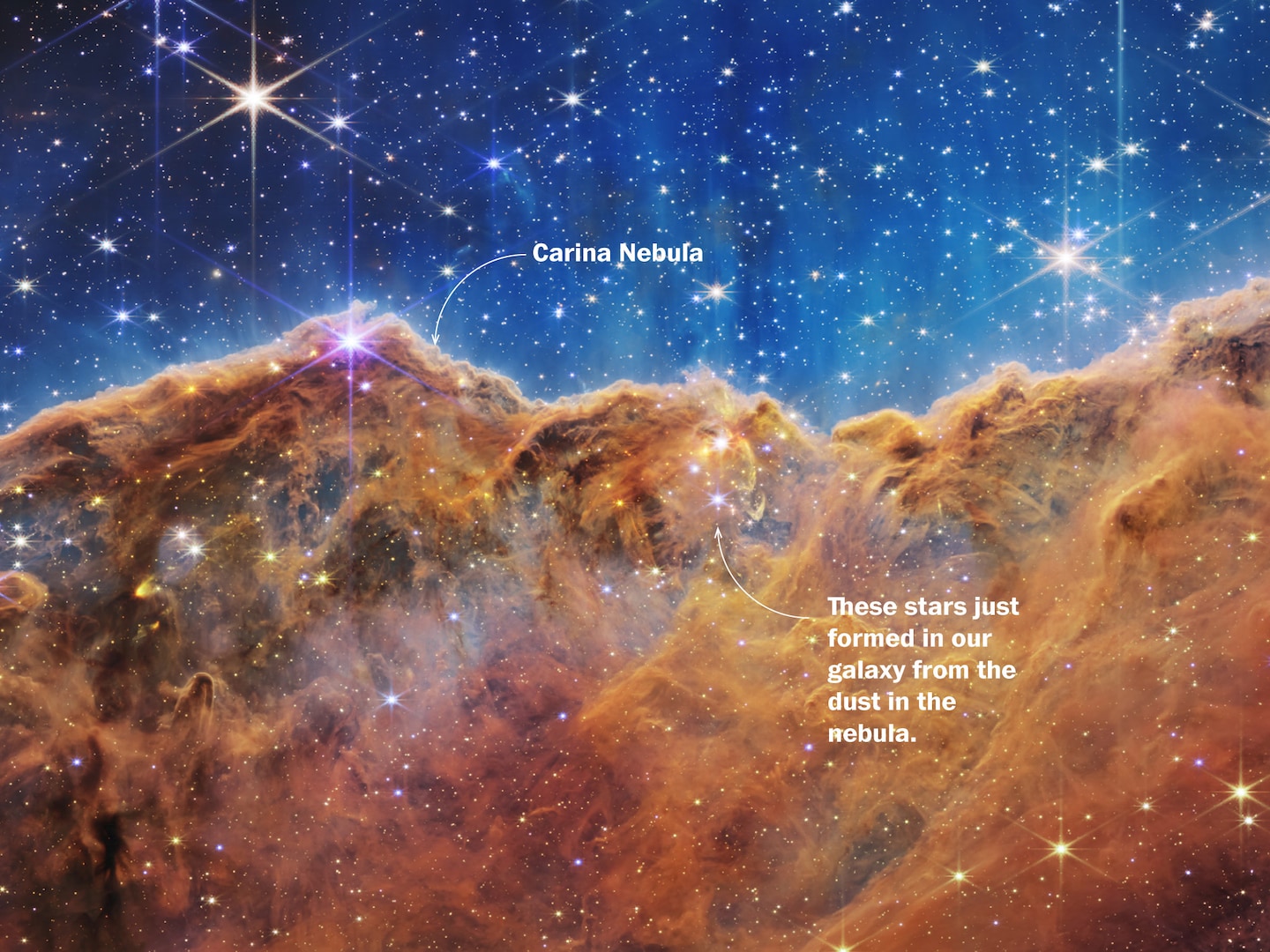
Definition of Astrophysics Astrophysics is a multidisciplinary scientific field that merges the vastness of the universe with the fundamental principles of physics. It serves as a platform for human curiosity and intellectual exploration, aiming to understand the nature and behavior of celestial bodies and cosmic phenomena. Astrophysicists combine analytical skills, creativity, and a deep philosophical […]

Read More →

Comet Chaser Grounded: A Mission on Pause

Understanding the Postponement of Celestial Missions In the field of space exploration, delays in mission launches often evoke mixed emotions, blending disappointment with hopeful anticipation. The current suspension of the highly awaited comet chaser mission exemplifies this dynamic. This pause invites a deeper look into the complexities of space missions, their scientific goals, and the […]

Read More →

What is the source or origin of dark matter and dark energy?

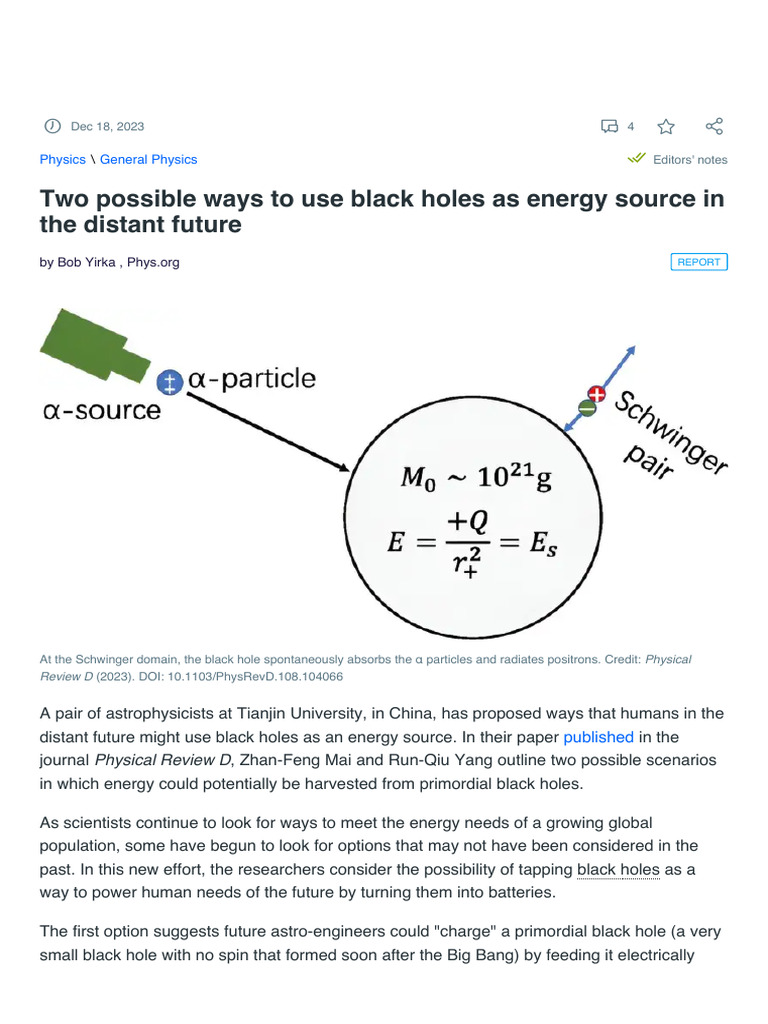
Understanding Dark Matter and Dark Energy Dark matter and dark energy stand as two of the most perplexing and significant subjects in modern astrophysics. Their investigation challenges existing cosmic paradigms and suggests the presence of phenomena beyond the observable universe. While dark matter constitutes nearly 85% of the universe’s total mass, dark energy accounts for […]

Read More →

Ray Guns in Space: Cosmic Detectors Launched on Shuttle

Definition of Cosmic Rays and Their Detection Cosmic rays are highly energetic particles, predominantly protons and atomic nuclei, that originate from sources beyond Earth’s atmosphere. Traveling at speeds near that of light, these particles provide crucial information about the universe’s formation and the fundamental forces governing it. To study these elusive particles, scientists have developed […]

Read More →

Bountiful Buckyballs Found in Space: Solving an Interstellar Mystery

Definition of Buckyballs in Space Buckyballs, scientifically known as fullerenes or C60 molecules, are spherical carbon structures composed of 60 carbon atoms arranged in a pattern of pentagons and hexagons, resembling a soccer ball. These molecules exhibit exceptional stability and resilience, enabling them to persist in the extreme conditions of outer space. Their discovery in […]

Read More →

Astronomers Discover the Smallest Exoplanet Ever Seen

Definition of Exoplanets Exoplanets are celestial bodies that orbit stars beyond our own solar system. These planets vary widely in size, composition, and orbital characteristics, contributing to the vast diversity observed in the universe. The study of exoplanets has become a cornerstone of modern astronomy, offering insights into planetary formation, evolution, and the potential for […]

Read More →

Where and when do cosmic rays hit the Earth?

Definition of Cosmic Rays Cosmic rays are energetic particles that originate from outer space and continuously bombard the Earth’s atmosphere. These particles, which include protons, atomic nuclei, and electrons, travel vast distances across the universe before reaching our planet. Studying cosmic rays provides valuable insights into astrophysical phenomena and their effects on Earth’s environment and […]

Read More →