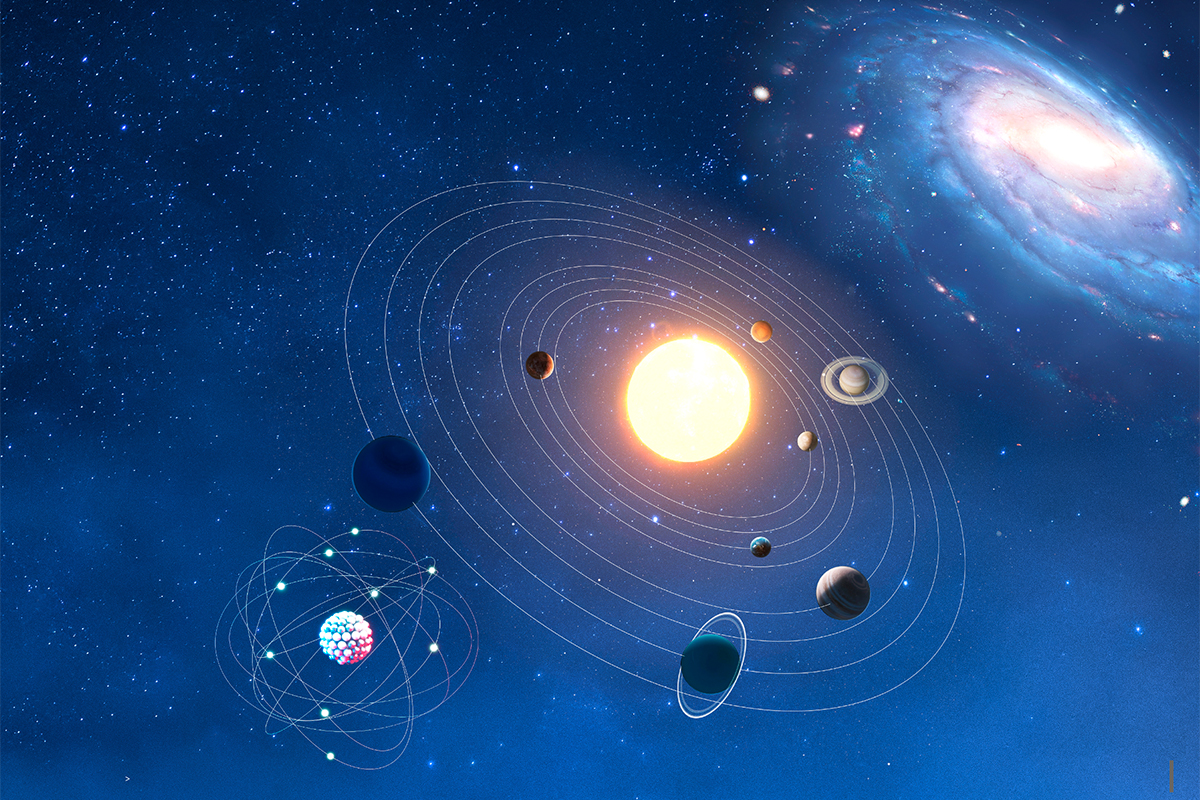
What Is Astroparticle Physics? Where Space Meets Particles

Definition of Astroparticle Physics Astroparticle physics is a multidisciplinary scientific field that merges concepts from astrophysics, particle physics, and cosmology. It focuses on studying fundamental particles originating from outer space and their interactions, aiming to unravel the mysteries of the universe at both the largest and smallest scales. This domain explores the nature of matter […]

Read More →

How Cold Is Space? The Real Temperature of the Universe

Definition of Space Temperature Space is commonly perceived as an expanse of extreme cold, far beyond any temperature experienced on Earth. This perception, while broadly accurate, conceals a complex reality shaped by the unique physical conditions of the cosmos. Rather than a uniform chill, space exhibits a range of thermal states influenced by radiation, matter […]

Read More →

How Space Time and Gravity Were Born Together

Definition of Space, Time, and Gravity Space, time, and gravity are fundamental concepts that form the foundation of our understanding of the universe. Together, they create a unified framework that governs the behavior of everything from the smallest particles to the largest cosmic structures. Space: The three-dimensional expanse in which all objects and events occur, […]

Read More →

What Can X-Ray Astronomy Reveal About the Universe?

Understanding X-Ray Astronomy X-ray astronomy is a specialized branch of astrophysics that explores the universe through the detection of X-rays emitted by celestial objects and phenomena. Unlike visible light, X-rays are high-energy photons produced by some of the most extreme and energetic processes in space. This field allows scientists to investigate cosmic events and structures […]

Read More →

What Would Happen If You Entered a Dark Matter Cloud?

Definition of Dark Matter Clouds Dark matter clouds are immense, invisible accumulations of dark matter particles that permeate the universe. Unlike ordinary matter, dark matter neither emits nor absorbs light or any form of electromagnetic radiation, making it undetectable by conventional telescopes. Despite this invisibility, dark matter exerts a powerful gravitational influence, playing a crucial […]

Read More →

Does Gravity Pull—or Is Space Actually Pushing?

Definition of Gravity and Its Traditional Interpretation Gravity is commonly understood as an invisible force that draws objects toward one another, fundamentally shaping the structure and motion of celestial bodies such as planets, stars, and galaxies. This classical view, rooted in everyday experience and Newtonian physics, describes gravity as an attractive force acting between masses. […]

Read More →

What Is Astronomy and Why Does It Matter?

Definition of Astronomy Astronomy is the ancient scientific discipline dedicated to studying celestial bodies and phenomena beyond Earth’s atmosphere. It encompasses the observation and analysis of stars, planets, galaxies, and the fundamental laws that govern their behavior. More than just cataloging cosmic objects, astronomy invites us to explore the vast universe, encouraging reflection on humanity’s […]

Read More →

What Came First: Time Space or Gravity?

Definition of Time, Space, and Gravity Time, space, and gravity are fundamental components that constitute the very framework of our universe. Each plays a distinct yet interconnected role in shaping reality as we perceive it. Time: An intangible continuum that measures the progression of events, enabling the concept of change and causality. Space: The three-dimensional […]

Read More →

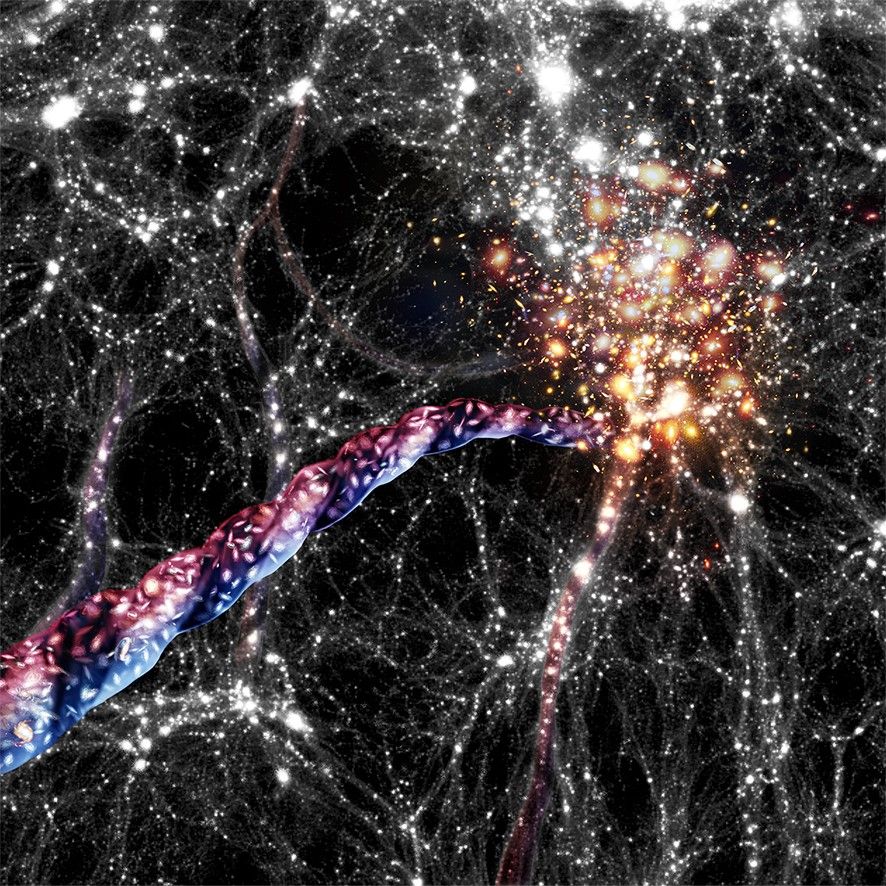
The Universe Is Not What We Thought—Here’s Why

Definition of the Universe The universe can be envisioned as an immense cosmic expanse, a vast and intricate system composed of all matter, energy, space, and time. It encompasses everything from the smallest subatomic particles to the largest galactic superclusters, forming a complex and dynamic whole that extends beyond human comprehension. Cosmic Scale: The universe […]

Read More →