
Short Answer
Understanding Astrophysics
Astrophysics is the branch of science dedicated to examining the physical characteristics and dynamic behaviors of celestial objects and the universe at large. This field integrates principles from physics, mathematics, and observational astronomy to decode the mysteries of stars, planets, galaxies, and cosmic phenomena. Traditionally, mastering astrophysics involves rigorous academic training, including undergraduate and graduate studies, to build a solid foundation in complex theories such as quantum mechanics, relativity, and advanced calculus.
Traditional Academic Pathways in Astrophysics
The conventional route to becoming an astrophysicist typically involves obtaining a bachelor’s degree, followed by a master’s, and culminating in a Ph.D. This structured educational progression is designed to provide comprehensive knowledge and research skills. Academic credentials not only validate expertise but also grant access to essential resources such as research laboratories, scientific communities, and mentorship from experienced scholars. These elements are crucial for conducting credible, peer-reviewed research and advancing scientific understanding.
The Evolving Landscape of Astrophysical Learning
Recent developments in technology and information sharing have begun to democratize access to astrophysical knowledge. The rise of open-access scientific journals, online educational platforms, and publicly available astronomical data sets has lowered traditional barriers to entry. Enthusiasts and self-learners can now access lectures from leading experts, analyze telescope data, and engage with global citizen science projects. This shift enables motivated individuals to acquire much of the knowledge once confined to formal academic settings.
Challenges Faced Without Formal Degrees
Despite the wealth of accessible resources, the absence of formal academic qualifications presents significant challenges. Professional astrophysics relies heavily on peer-reviewed publications, which often require institutional affiliation and recognized expertise. Skepticism from the scientific community can hinder independent researchers from gaining credibility. Moreover, the lack of structured mentorship and collaborative environments may limit the development of rigorous experimental design and critical analysis skills.
Redefining What It Means to Be an Astrophysicist
The definition of an astrophysicist can vary depending on context. If confined to those holding official positions within academic or research institutions, degrees are indispensable. However, if the term is expanded to include individuals actively engaged in astrophysical research, data analysis, or observation-regardless of formal credentials-the barriers diminish. Citizen science initiatives and online astrophysics communities increasingly recognize and incorporate contributions from passionate amateurs and independent scholars.
Advantages of Independent Astrophysical Exploration
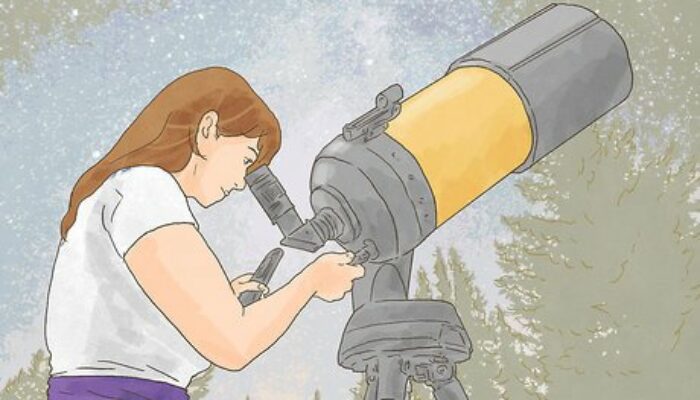
Operating outside traditional academic frameworks offers unique benefits. Independent researchers often enjoy intellectual freedom, allowing them to explore unconventional theories and innovative ideas without institutional constraints or funding biases. Advances in computational technology and affordable, high-quality amateur telescopes empower these individuals to collect and analyze data comparable to professional standards. Online forums and collaborative platforms further facilitate knowledge exchange and peer feedback, fostering a vibrant community of non-traditional astrophysicists.
Essential Skills and Perseverance for Self-Taught Astrophysicists
Embarking on astrophysical study without formal education demands exceptional dedication and self-motivation. Prospective independent researchers must develop proficiency in multiple scientific disciplines, including advanced mathematics, physics, and computer programming for data analysis. Access to mentorship-whether through informal networks, virtual seminars, or online communities-is vital to navigate the complexities of astrophysics and maintain scientific rigor.
Historical and Contemporary Examples of Non-Traditional Astrophysicists
Throughout history, many notable contributors to science began as self-taught individuals whose original insights eventually earned recognition. Today, citizen science projects such as Galaxy Zoo and SETI@home illustrate how non-professionals can meaningfully participate in astrophysical research. These initiatives demonstrate that with the right tools and commitment, significant discoveries and contributions are possible outside formal academic pathways.
Common Misconceptions About Becoming an Astrophysicist Without a Degree
A formal degree is absolutely required to contribute to astrophysics.
While degrees facilitate access to resources and credibility, dedicated amateurs can and do contribute valuable research through citizen science and independent study.
Independent researchers lack the ability to produce rigorous scientific work.
With discipline, access to data, and peer collaboration, self-taught astrophysicists can conduct methodologically sound investigations.
The Significance of Inclusive Access to Astrophysical Knowledge
The pursuit of understanding the universe is a fundamentally human endeavor that transcends institutional boundaries. Expanding access to astrophysical education and research opportunities enriches the scientific community by incorporating diverse perspectives and fostering innovation. This inclusivity not only democratizes knowledge but also inspires a broader audience to engage with the cosmos, fueling curiosity and discovery beyond traditional academic confines.
Conclusion: Embracing a Broader Vision of Astrophysics
Although formal education remains the standard gateway to professional astrophysics, the evolving landscape of information and technology invites a reconsideration of who can participate in this field. Passion, perseverance, and access to resources enable individuals to explore and contribute to astrophysical knowledge without conventional degrees. This paradigm shift underscores a vital truth: the quest to unravel the mysteries of the universe is open to all who seek it earnestly, reaffirming that discovery is not the exclusive domain of credentialed experts but a shared human journey.


Leave a Reply