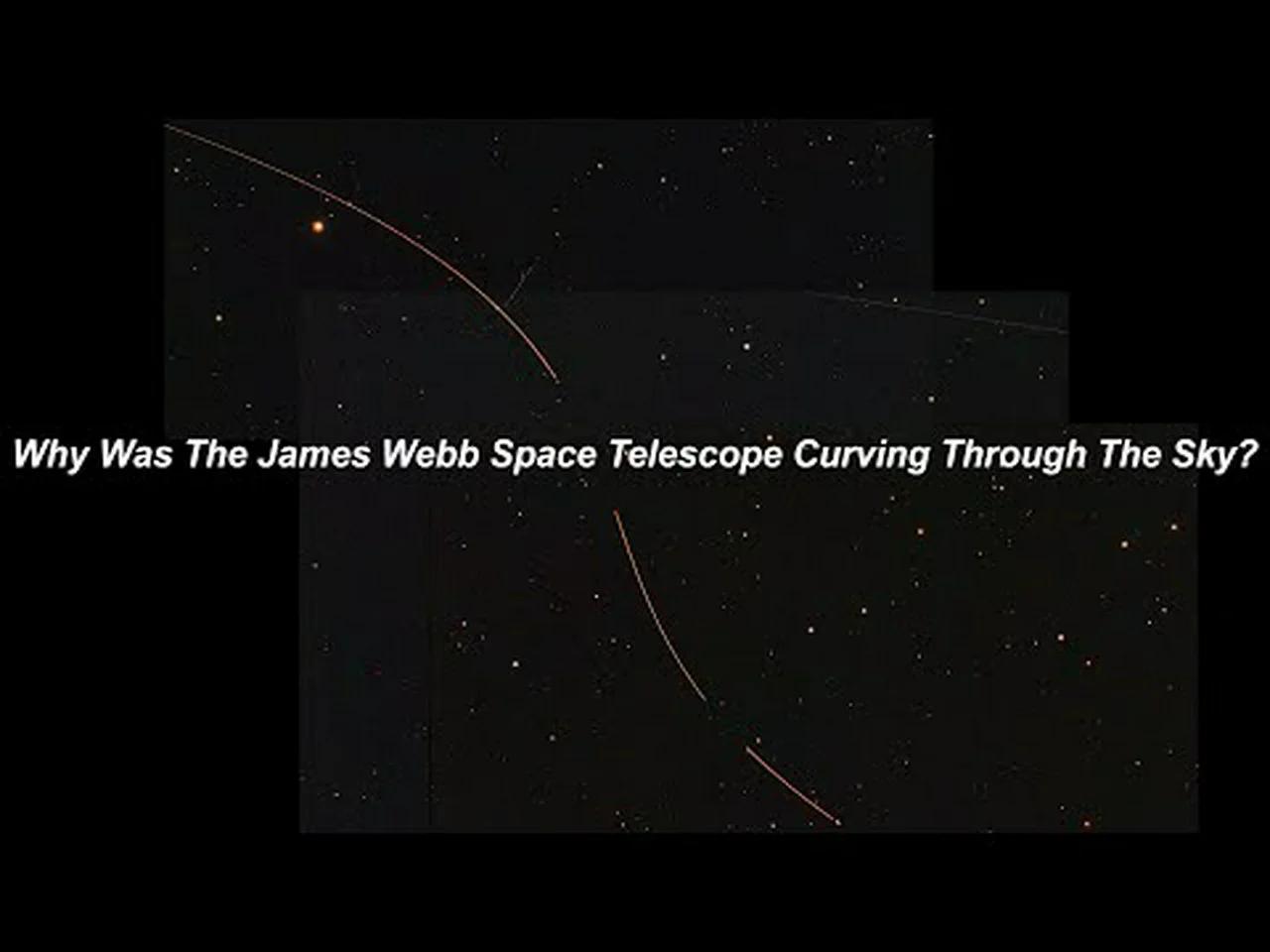
How the James Webb Space Telescope Stays in Position

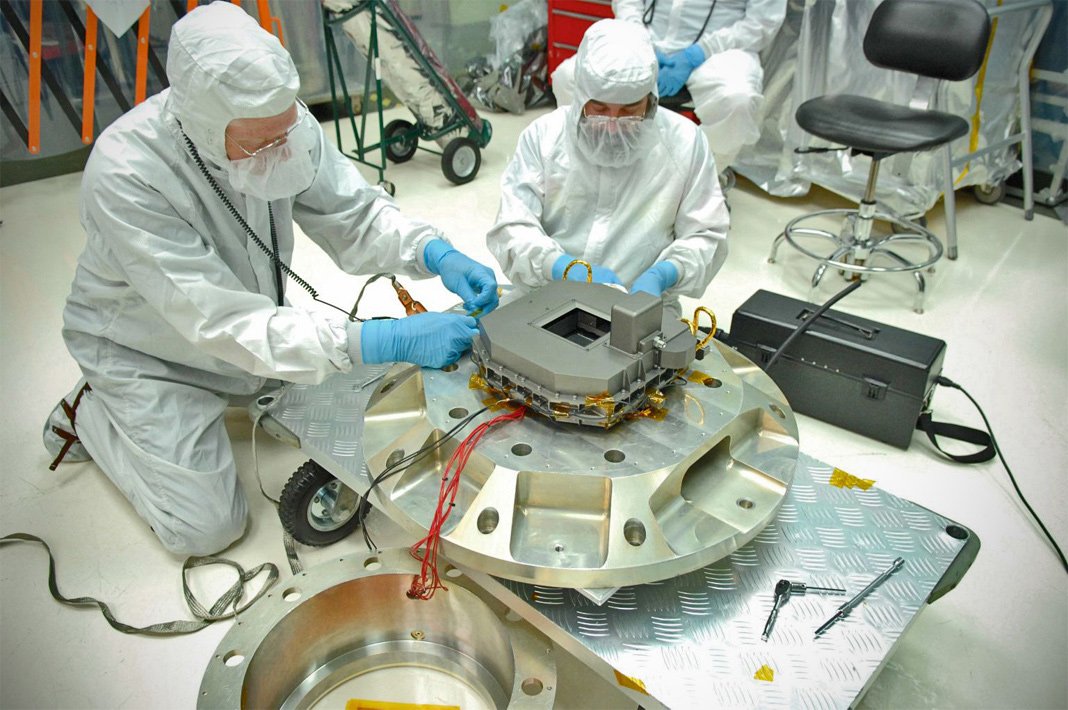
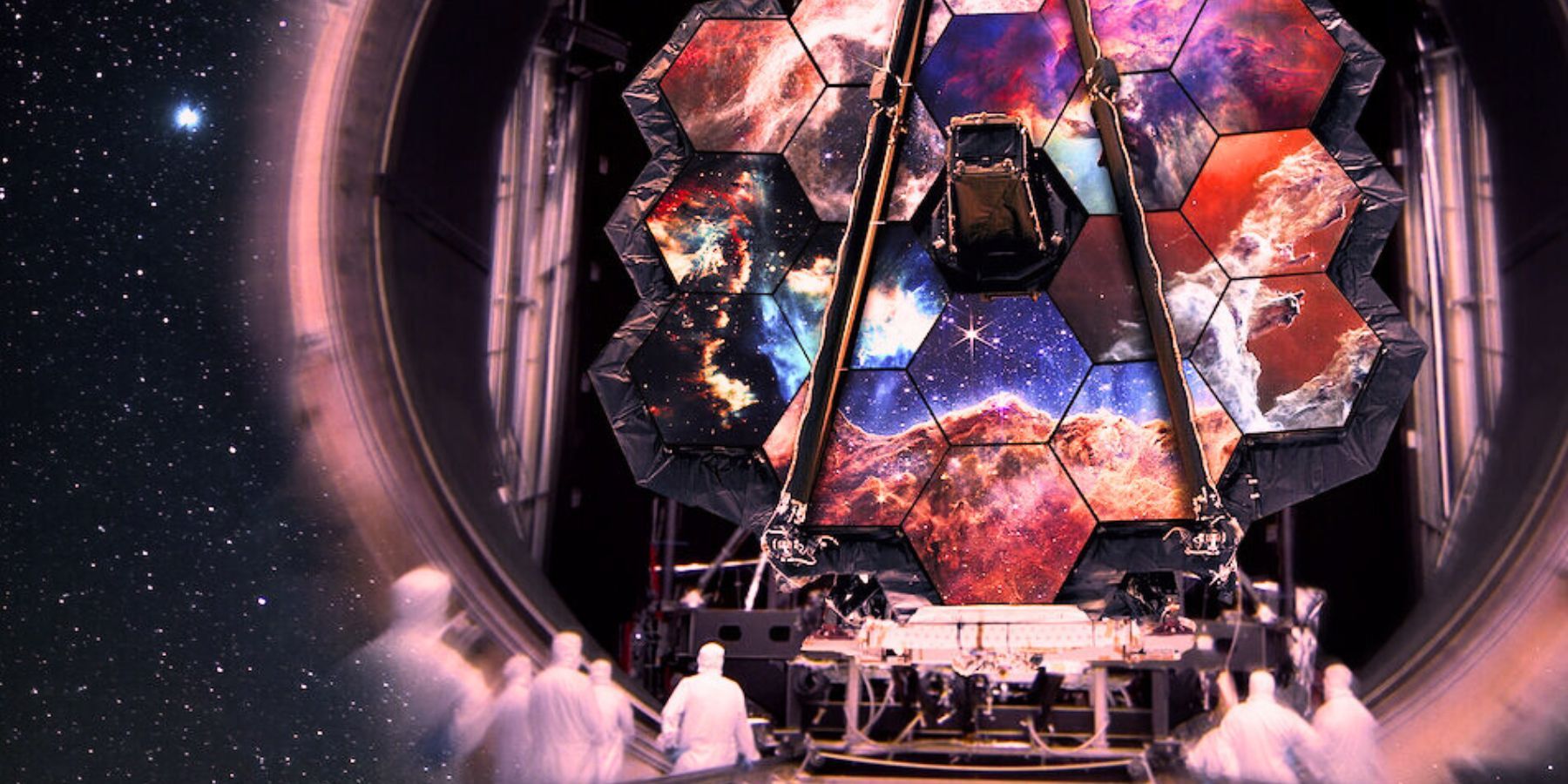
Definition and Overview of the James Webb Space Telescope’s Orbit The James Webb Space Telescope (JWST) operates in a unique and carefully maintained position far beyond Earth, enabling it to observe the universe with exceptional clarity. Rather than remaining fixed in space, the JWST follows a complex orbital path around a gravitational equilibrium point known […]
Read More →

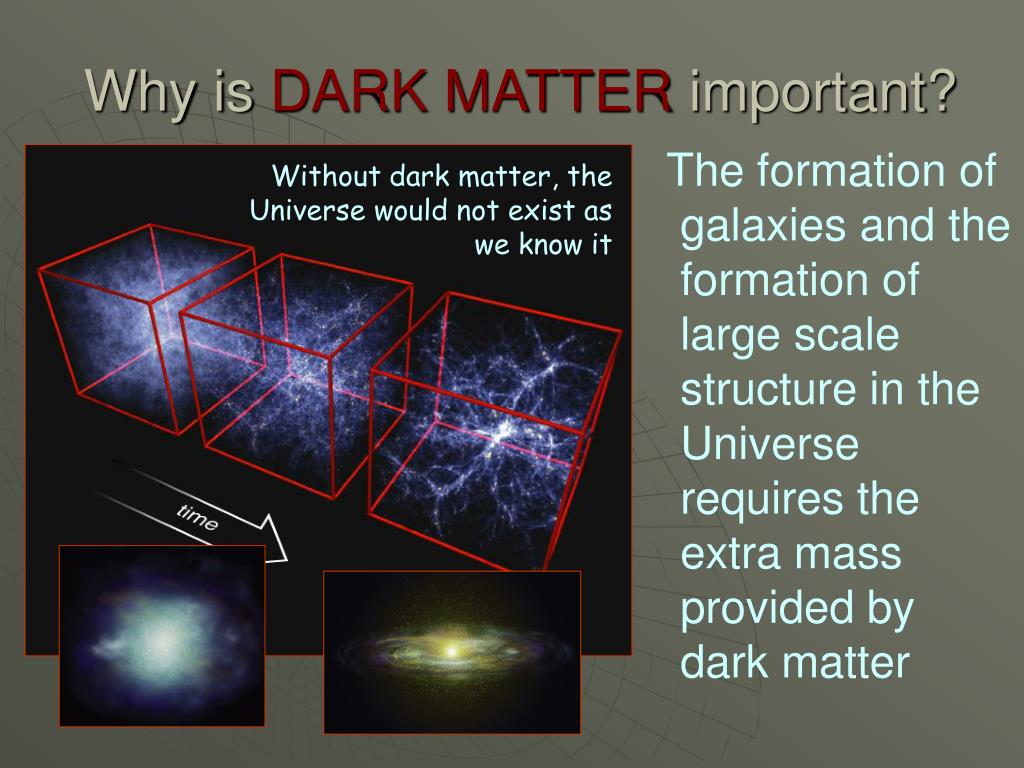
The Real Reason Dark Matter Matters to You

Definition of Dark Matter Dark matter is a mysterious and invisible form of matter that constitutes approximately 27% of the universe’s total mass-energy content. Unlike ordinary matter, it does not emit, absorb, or reflect light, making it undetectable by conventional telescopes. Despite its invisibility, dark matter exerts a significant gravitational influence, shaping the structure and […]

Read More →

Could the James Webb Space Telescope Ever Be Repaired or Refueled?

Overview of the James Webb Space Telescope The James Webb Space Telescope (JWST) represents a monumental leap in astronomical observation, designed to explore the universe’s earliest epochs with unprecedented clarity. Situated nearly one million miles from Earth at the second Lagrange point (L2), JWST leverages exceptional infrared sensitivity to peer into cosmic history. However, its […]

Read More →

New Research Claims the Universe Has No Dark Matter—Is It True?

Understanding Dark Matter Dark matter is a hypothesized form of matter that does not emit, absorb, or reflect light, making it invisible to current detection methods. It was proposed to explain various astronomical observations that could not be accounted for by visible matter alone. This elusive substance is believed to constitute about 27% of the […]

Read More →

Can We Detect Dark Matter in Our Solar System?

Understanding Dark Matter Dark matter is a mysterious and invisible form of matter that does not emit, absorb, or reflect light, making it undetectable through conventional electromagnetic observations. Despite its elusive nature, it is believed to constitute a significant fraction of the universe’s total mass, influencing the structure and evolution of cosmic systems through its […]

Read More →

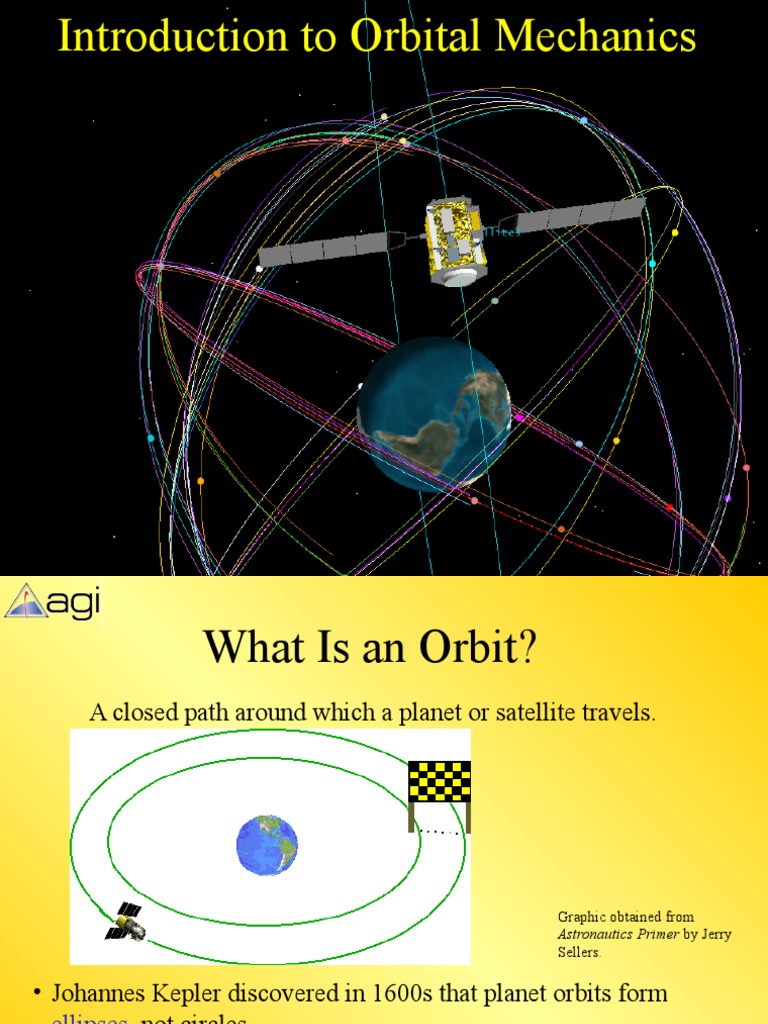
What Major Should You Study for Orbital Mechanics?

Understanding Orbital Mechanics Orbital mechanics is the branch of science that studies the motion of objects such as satellites and celestial bodies under the influence of gravitational forces. It explores the elegant paths traced by planets, spacecraft trajectories, and the synchronized orbits of satellites around their primary bodies. This field not only captivates through the […]

Read More →

What If Dark Matter Doesn’t Exist After All?

Understanding Dark Matter Dark matter has long been a cornerstone concept in cosmology and astrophysics, introduced to explain gravitational effects that visible matter alone cannot account for. Phenomena such as the unexpected rotation speeds of stars in galaxies and the bending of light from distant objects-known as gravitational lensing-have consistently suggested the presence of an […]

Read More →