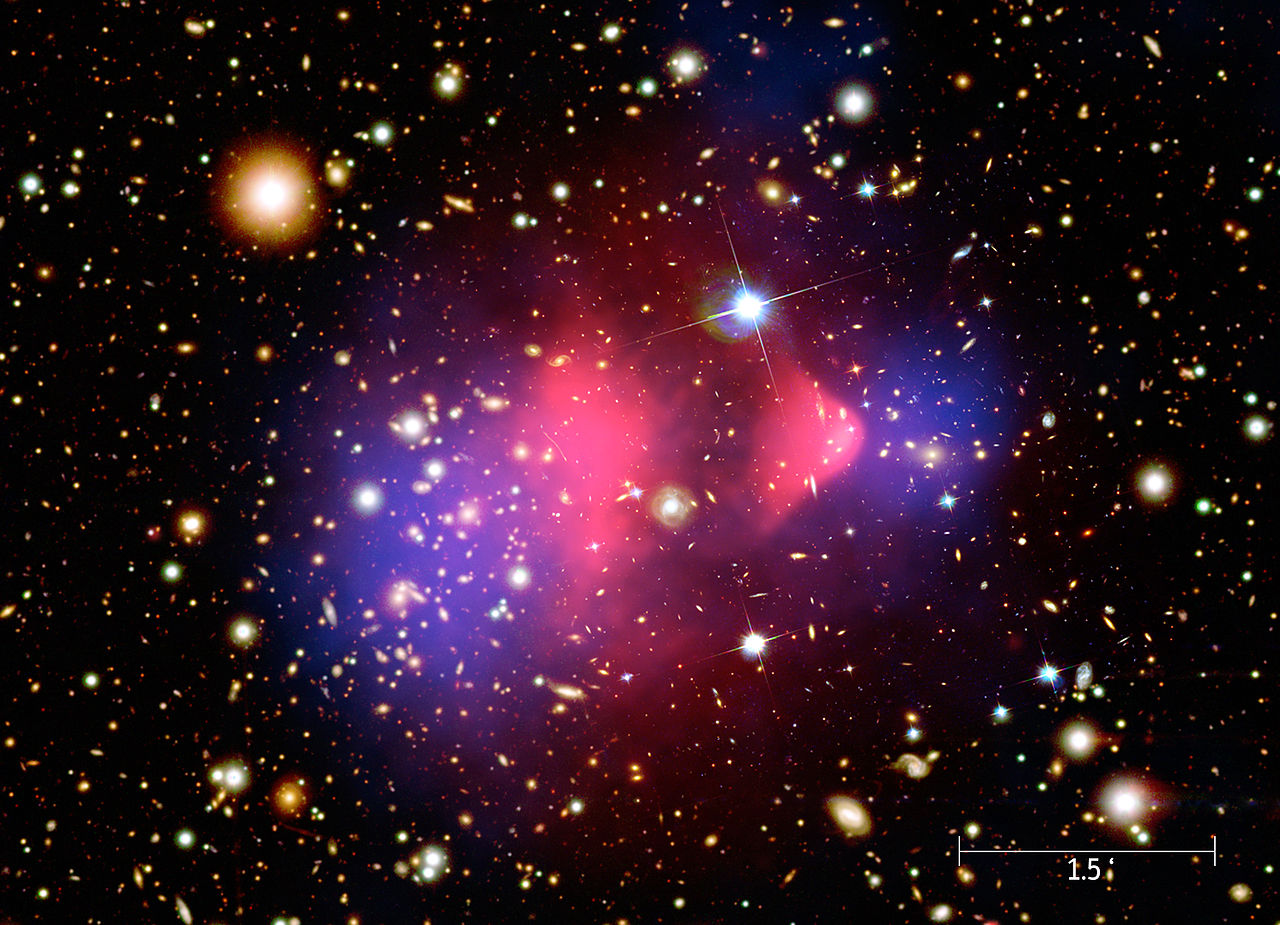
Could Dark Matter Be Just a New Form of Gravity?

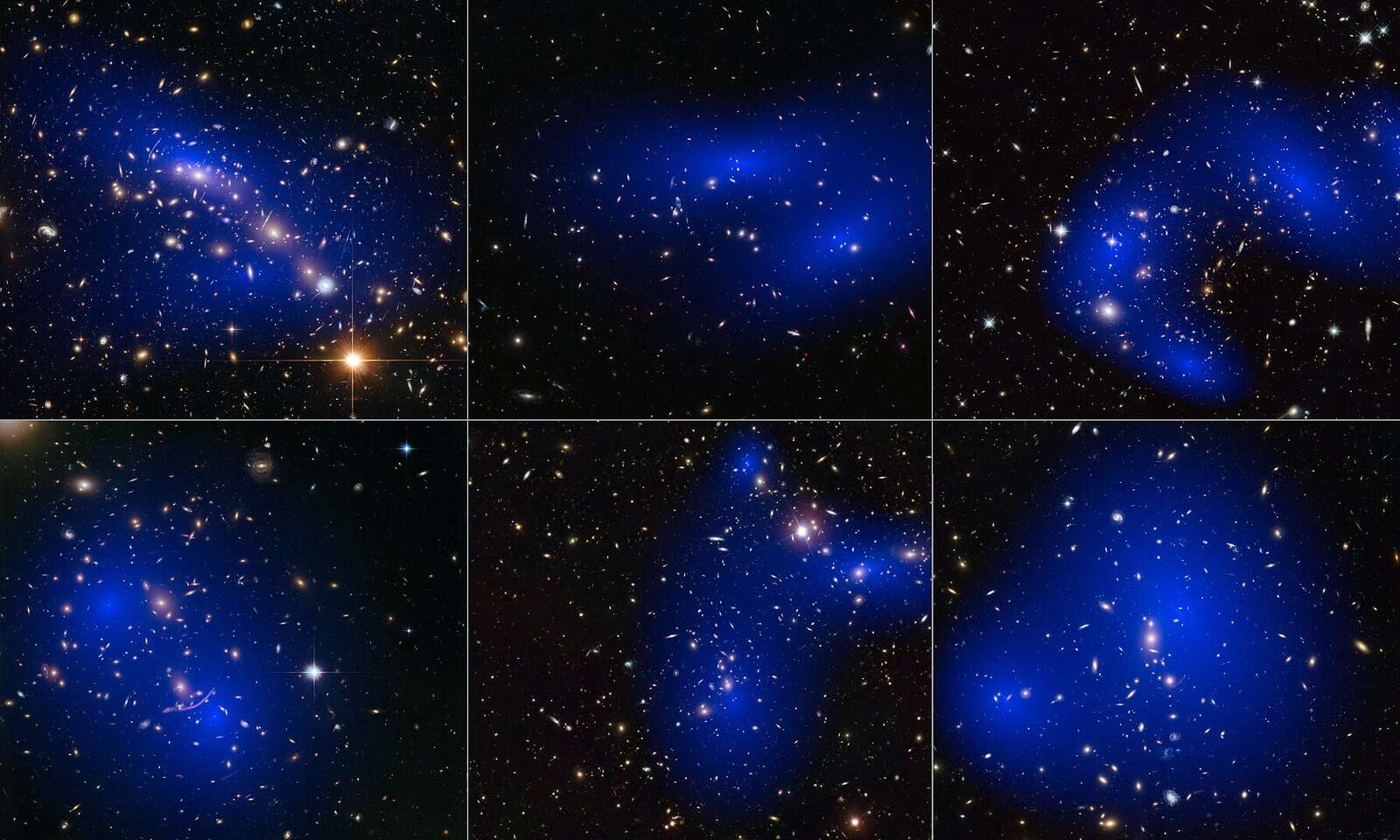
Understanding the Concept of Dark Matter and Modified Gravity The universe can be envisioned as a vast cosmic symphony, where every celestial entity-from galaxies to stars and planets-performs in harmony under the direction of gravity. This fundamental force orchestrates the movements and interactions of cosmic bodies. However, astronomers have long observed phenomena that challenge this […]

Read More →

How Unexpected Was the Discovery of Gravitational Waves?

Definition of Gravitational Waves Gravitational waves are disturbances or ripples in the fabric of spacetime, generated by some of the most energetic and violent processes in the universe. These waves propagate outward at the speed of light, subtly altering the distances between objects as they pass through space. Origin: First predicted by Albert Einstein in […]

Read More →

What Would Happen If Gravity Suddenly Disappeared?

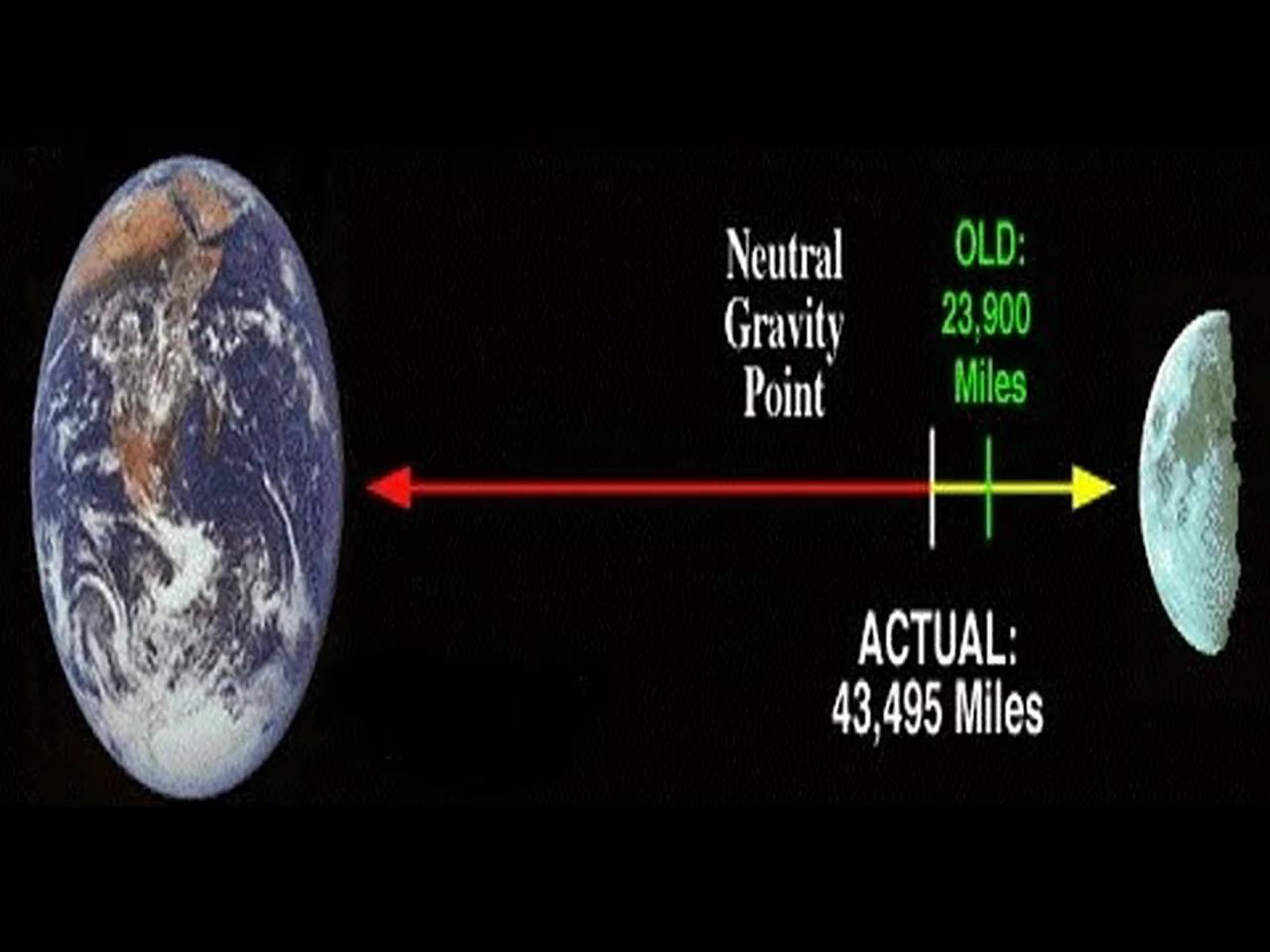
Definition of Gravity Gravity is a fundamental natural force that exerts an attractive pull between masses, anchoring objects to the Earth and orchestrating the movements of celestial bodies throughout the universe. It is an ever-present phenomenon that shapes the structure and behavior of matter on both terrestrial and cosmic scales. Universal Force: Gravity acts between […]

Read More →

Is There Anything in Space That Could Destroy Earth?

Definition The question of whether any cosmic entity or event could completely annihilate Earth delves into the vulnerability of our planet within the vast and dynamic universe. This inquiry explores the potential existential threats posed by various astronomical phenomena, highlighting the delicate balance that sustains life on our planet amid the immense forces at play […]

Read More →

How Space Telescopes Stay Clean in Orbit

Definition of Space Telescope Contamination Space telescope contamination refers to the accumulation of dust, debris, and microscopic particles on the optical surfaces of telescopes operating in orbit. Unlike ground-based observatories protected by Earth’s atmosphere and routine maintenance, space telescopes are exposed to a harsh environment where cosmic dust, micrometeoroids, and orbital debris can degrade their […]

Read More →

Could Gravity Be Caused by Expanding Space?

Understanding Gravity and Its Traditional Interpretation Gravity is commonly recognized as the fundamental force that governs the attraction between masses, holding planets, stars, and galaxies together. Historically, Sir Isaac Newton described gravity as a force acting at a distance between objects with mass. Later, Albert Einstein revolutionized this concept through his general theory of relativity, […]

Read More →

Are We Secretly Orbiting a Black Hole Right Now?

Understanding Black Holes and Their Proximity Could our solar system be quietly orbiting a black hole without our knowledge? While this notion might initially seem like a concept from science fiction or a speculative idea among astrophysicists, it raises a legitimate scientific question about the nature of our galactic environment. Black holes, often depicted as […]

Read More →

What Are Gamma Rays—Particles or Pure Energy?

Definition of Gamma Rays Gamma rays are a form of electromagnetic radiation characterized by extremely short wavelengths and exceptionally high energy. They exist at the far end of the electromagnetic spectrum, with wavelengths smaller than the atomic nucleus, making them the most energetic photons known. Unlike visible light, gamma rays are invisible to the human […]

Read More →