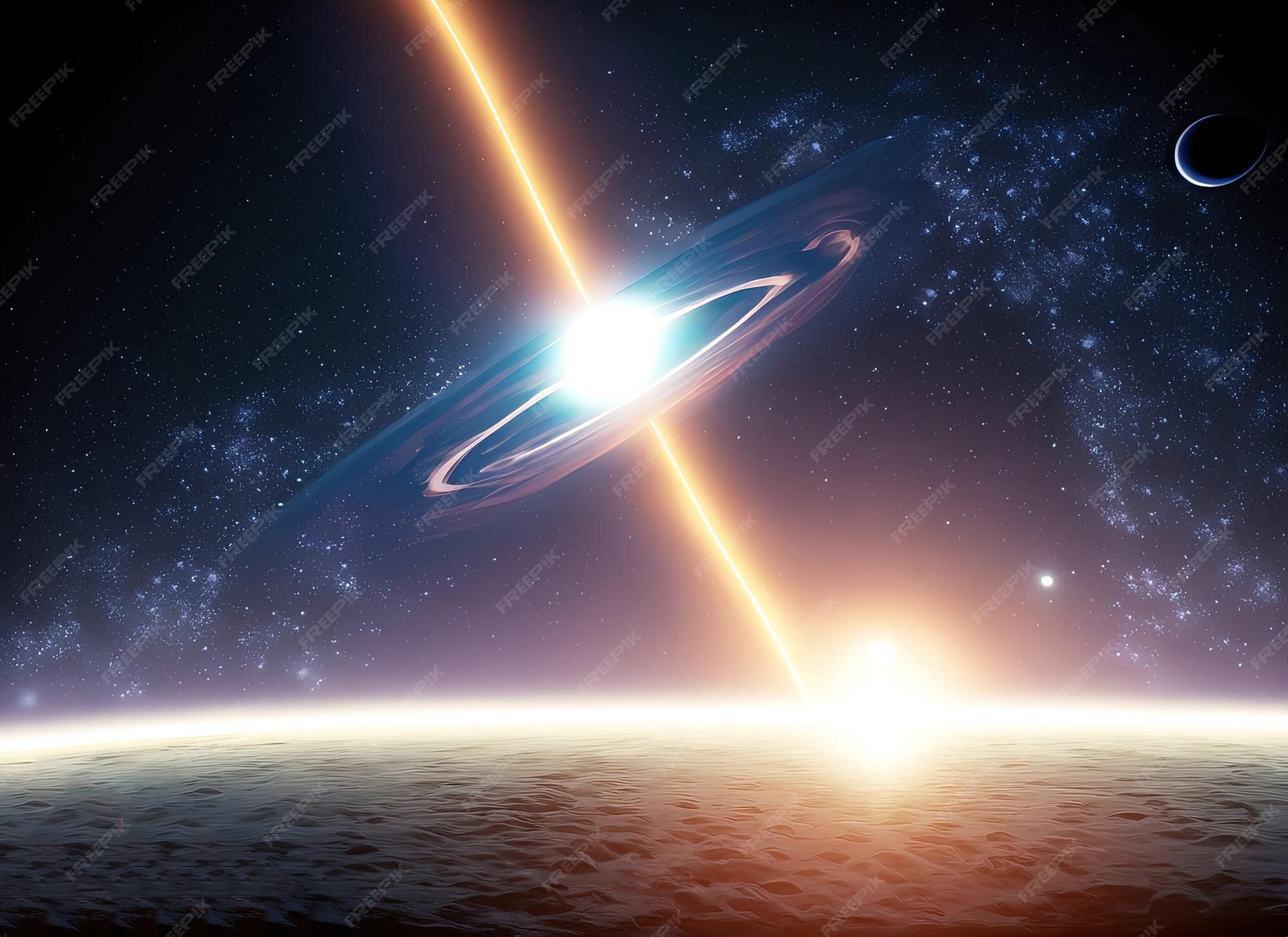
Can We Ever Directly Detect Dark Matter?

Understanding Dark Matter Dark matter is a mysterious and invisible substance that constitutes about 27% of the universe’s total mass-energy composition. Unlike ordinary matter, it neither emits nor absorbs electromagnetic radiation, making it undetectable by conventional telescopes. Its existence is primarily inferred through its gravitational influence on visible matter, such as stars and galaxies, as […]

Read More →

Why Some Galaxies Appear to Have No Dark Matter

Definition of Dark Matter-Deficient Galaxies Dark matter-deficient galaxies are celestial systems that appear to lack the invisible and elusive substance known as dark matter, which is traditionally thought to dominate the mass composition of galaxies. Unlike typical galaxies enveloped by massive dark matter halos, these galaxies exhibit stellar and gaseous components without the expected gravitational […]

Read More →

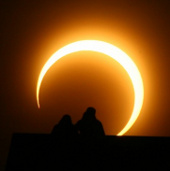
What Happens If a Red Giant Swallows Another Star?

Definition of Red Giant Star Engulfment Red giant stars represent a late evolutionary phase of stellar life characterized by significant expansion and luminosity increase after exhausting hydrogen fuel in their cores. In certain binary star systems, this expansion can lead to the red giant engulfing a nearby companion star within its extended gaseous envelope. This […]

Read More →

Are We Living Inside a Sea of Dark Matter?

Definition of Dark Matter Dark matter is a mysterious and invisible form of matter that permeates the universe, exerting gravitational influence without emitting, absorbing, or reflecting light. It is believed to constitute about 27% of the universe’s total mass-energy content, making it a fundamental component of cosmic structure and evolution. Invisible Substance: Unlike ordinary matter, […]

Read More →

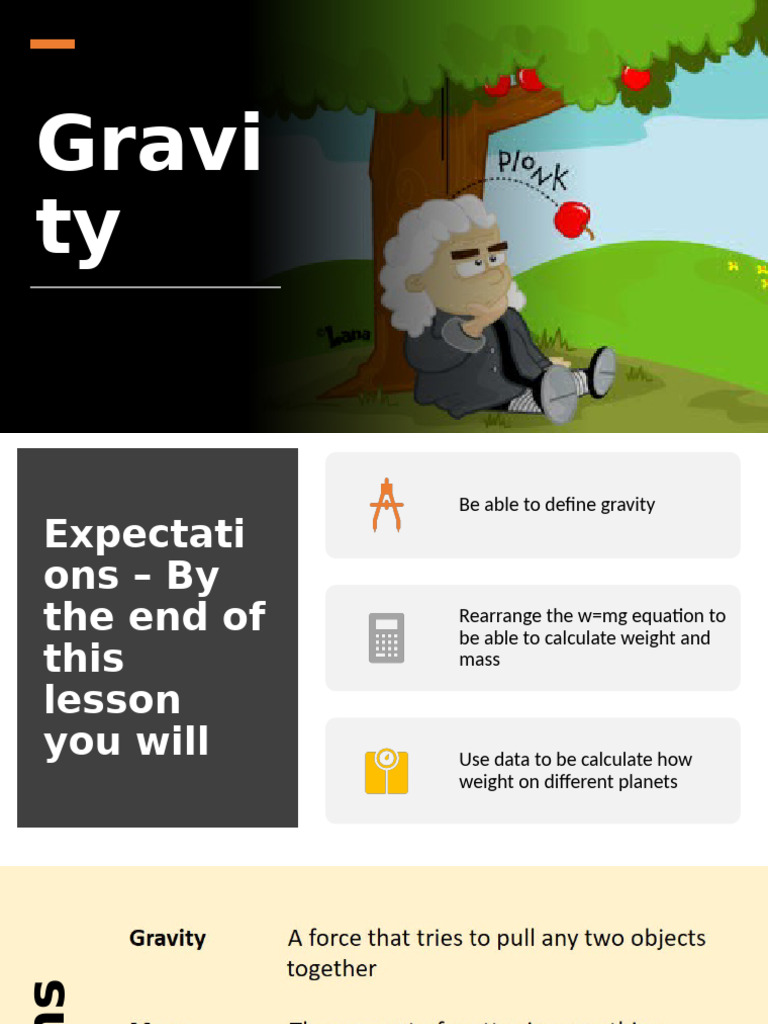
What Would You Weigh on Mars? (Surprising Answer)

Understanding Weight on Mars Have you ever wondered, “How much would I weigh if I stood on Mars?” This seemingly simple question opens a window into the fascinating interplay between gravity, mass, and planetary characteristics. Mars, known as the Red Planet, captivates explorers and scientists alike with its stark, rusty terrain and unique environment. However, […]

Read More →

Do Rogue Planets Really Drift Alone in Space?

Definition of Rogue Planets Rogue planets, also known as interstellar or nomad planets, are planetary-mass objects that do not orbit any star. Unlike exoplanets, which revolve around stars outside our solar system, rogue planets drift through space independently, unbound by stellar gravity. Their existence challenges traditional views of planetary systems and raises questions about their […]

Read More →

Do Black Holes Live Longer Than Galaxies?

Understanding Black Holes and Galaxies Within the immense expanse of the universe, galaxies and black holes represent two of the most fascinating cosmic phenomena. Galaxies are vast conglomerates of stars, gas, dust, and dark matter, bound together by gravity, while black holes are regions of spacetime exhibiting gravitational forces so intense that nothing, not even […]

Read More →

Are Space Missions Just Hype or Real Science?

Understanding Space Missions Space missions represent humanity’s ambitious efforts to explore beyond our planet, combining awe-inspiring spectacle with rigorous scientific investigation. These endeavors extend far beyond mere public entertainment; they are complex scientific projects designed to expand our knowledge of the universe and our place within it. The Dual Nature of Space Exploration: Spectacle and […]

Read More →