What are some hot research topics in physics?

Overview of Contemporary Physics Research Physics represents a profound scientific endeavor aimed at deciphering the fundamental principles that govern the universe. Far beyond simple observation, it involves rigorous investigation into the underlying mechanisms shaping reality. Modern physics is inherently interdisciplinary, encompassing a wide array of captivating research areas. This article highlights several prominent topics currently […]

Read More →

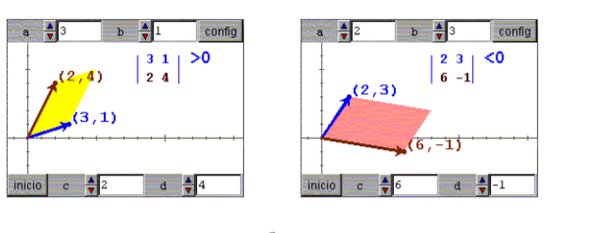
¿Dónde se usan las matrices jacobianas en física?

Definition of Jacobian Matrices Jacobian matrices are fundamental mathematical constructs widely employed across various branches of physics. They serve as essential tools for analyzing complex systems and phenomena that involve transformations and partial derivatives. By encapsulating how a set of variables changes with respect to another, Jacobian matrices enable the study of multidimensional relationships and […]

Read More →

Can a heavy atom like plutonium exist as antimatter?

Understanding Matter and Antimatter Matter forms the tangible substance of the universe, consisting of atoms made up of protons, neutrons, and electrons. Antimatter, conversely, is composed of particles that are the exact opposites of those in matter: positrons (antielectrons), antiprotons, and antineutrons. When matter and antimatter meet, they annihilate each other, releasing energy as described […]

Read More →

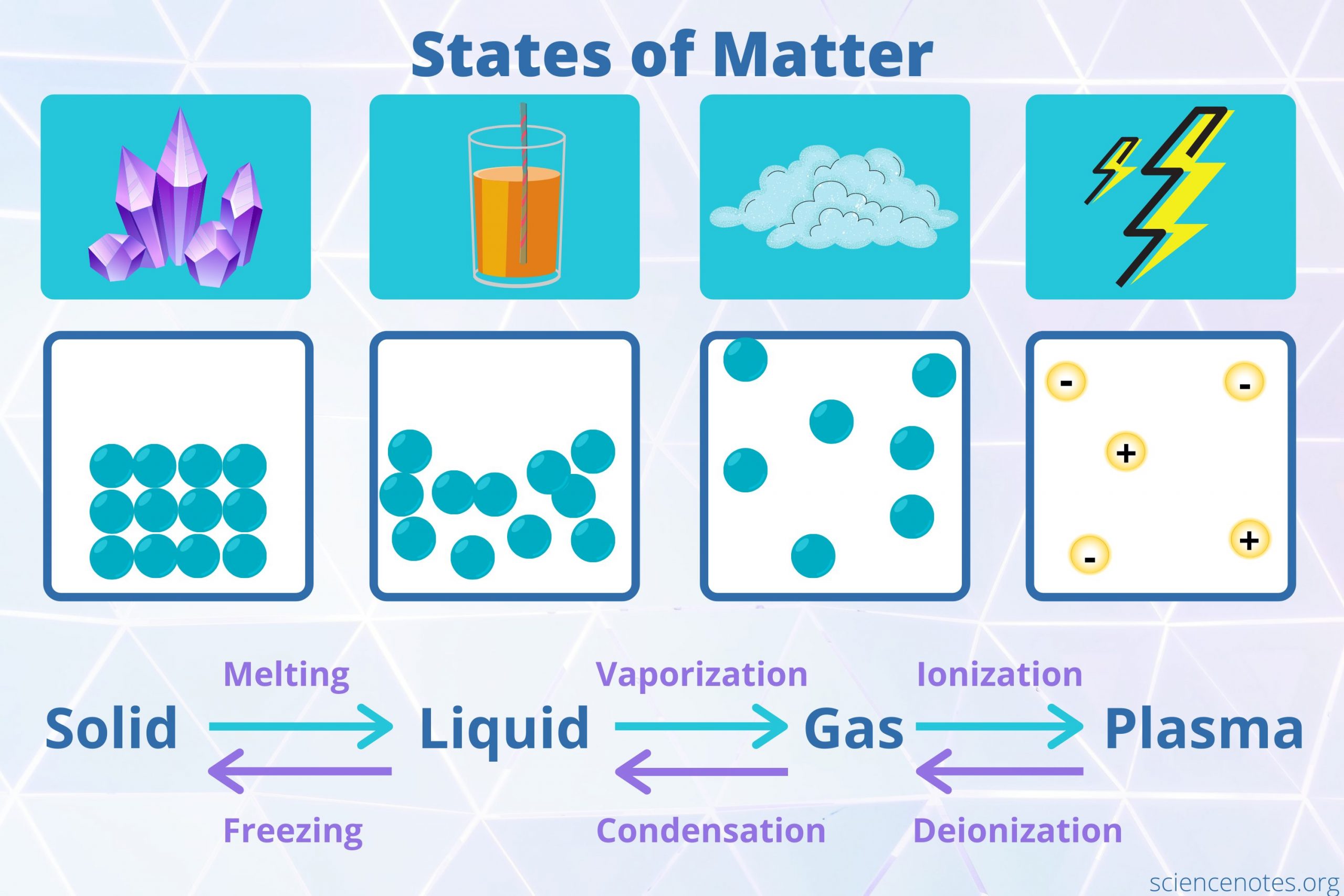
What matter is not made up of atoms? Why?

Understanding Matter Beyond Atoms When contemplating the fundamental nature of the universe, the common viewpoint often centers on atoms as the basic constituents of all matter. However, the reality is far more complex. Matter encompasses a variety of forms and states that do not strictly conform to the atomic framework. Exploring what constitutes matter beyond […]

Read More →

What is PhD level physics like?

Understanding a PhD in Physics Pursuing a Doctor of Philosophy (PhD) in Physics represents an intricate and demanding academic journey, marked by both intellectual challenges and profound discoveries. This advanced degree goes beyond imparting specialized knowledge; it transforms the way candidates think about the fundamental principles of the physical universe. Unlike undergraduate studies that emphasize […]

Read More →

Absence of Evidence: What Physics Doesn’t Tell Us (Yet)

Definition of Absence of Evidence The phrase “absence of evidence is not evidence of absence” encapsulates a fundamental principle in scientific inquiry, particularly within physics. It highlights the distinction between lacking observable proof and the actual nonexistence of a phenomenon. This concept cautions against drawing definitive conclusions solely based on missing data, emphasizing the need […]

Read More →

Has fundamental physics stagnated?

Understanding Fundamental Physics Fundamental physics is a branch of science dedicated to uncovering the basic laws that govern the universe. It seeks to explain the behavior of matter and energy through universal principles, aiming to unify disparate theories into a cohesive framework. Central to this endeavor is the pursuit of a “theory of everything,” which […]

Read More →

So You Want to Be a Theoretical Physicist? Here’s the Real Deal

Definition of Theoretical Physics Theoretical physics is a specialized domain within physics that utilizes mathematical frameworks and conceptual models to interpret and forecast natural phenomena. Unlike experimental physics, which depends on empirical data obtained through observation and experimentation, theoretical physics focuses on abstract reasoning and the development of fundamental principles that describe the workings of […]

Read More →

Which is a more fundamental science physics or biology?

Understanding the Debate: Physics vs. Biology The ongoing discussion about which scientific discipline holds greater fundamental importance often centers on physics and biology. These two fields represent distinct philosophical approaches and investigative methods, yet they are deeply interconnected within the broader framework of scientific knowledge. This debate transcends academic curiosity, touching on profound questions about […]

Read More →

How to Vote Like a Physicist: Decision-Making with Data

Definition of a Physicist’s Approach to Voting Voting represents a core mechanism through which individuals exercise their democratic rights, embodying personal agency in shaping governance. A physicist’s approach to voting involves applying scientific principles-such as empirical evidence, systematic analysis, and logical reasoning-to the decision-making process in elections. This method encourages voters to move beyond simplistic […]

Read More →