
Short Answer
Definition and Overview
The intersection of laser technology, linear accelerators (linacs), and pulmonary medicine represents a fascinating convergence of physics and healthcare. This triad highlights the profound impact of advanced technologies on medical treatments, particularly in addressing lung-related conditions. By examining each component’s unique role and their combined application, we gain insight into how modern medicine harnesses scientific innovation to enhance patient outcomes.
Fundamentals of Laser Technology
Lasers, an acronym for Light Amplification by Stimulated Emission of Radiation, are devices that emit highly coherent and monochromatic light. Their precision and control have made them indispensable tools in various medical specialties, including ophthalmology, dermatology, and oncology. The ability of lasers to selectively target specific tissues while sparing surrounding areas underscores their therapeutic value.
The interaction between laser light and biological tissues depends largely on the principles of absorption and scattering, which vary according to the wavelength of the laser. Different tissue types absorb light differently, allowing clinicians to choose laser systems optimized for particular treatments, thereby maximizing efficacy and minimizing damage.
Principles and Applications of Linear Accelerators
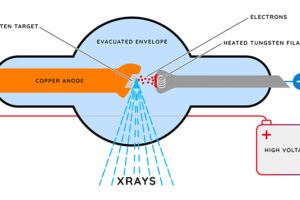
Linear accelerators have transformed cancer therapy by enabling the delivery of high-energy radiation beams with exceptional precision. These machines accelerate charged particles using electromagnetic fields, focusing radiation on malignant cells while protecting healthy tissue. This precision is critical in radiation oncology, where minimizing collateral damage is paramount.
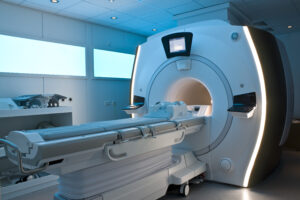
A key advancement in linac technology is conformal radiation therapy, which shapes the radiation dose to match the three-dimensional contours of tumors. Integration with advanced imaging techniques such as computed tomography (CT) and magnetic resonance imaging (MRI) allows for real-time treatment adjustments, enhancing accuracy and therapeutic effectiveness.
Role of the Lungs in Medical Treatment
The lungs, essential for gas exchange, are frequently affected by diseases such as chronic obstructive pulmonary disease (COPD), asthma, and lung cancer. These conditions pose significant public health challenges and demand innovative treatment strategies. The application of laser technology in pulmonology extends beyond diagnostics to therapeutic interventions, including bronchoscopic laser ablation to remove obstructive tissue and improve airway function.
Such minimally invasive procedures exemplify the precision and adaptability of laser treatments in respiratory medicine. Additionally, the emergence of precision medicine-tailoring therapies based on individual genetic and phenotypic profiles-has begun to influence pulmonary care, offering more personalized and effective treatment options.
Integration of Technologies in Pulmonary Medicine
The collaboration between laser technology, linear accelerators, and pulmonary therapies exemplifies the growing trend of interdisciplinary approaches in healthcare. Combining expertise from physics, engineering, and medicine fosters innovative solutions to complex respiratory diseases, enhancing both diagnostic and therapeutic capabilities.
Future developments include next-generation lasers and advanced accelerator technologies such as proton therapy, which promise to improve tumor targeting while reducing side effects. The incorporation of artificial intelligence and machine learning into imaging and treatment planning further refines clinical decision-making, heralding a new era in pulmonary treatment methodologies.
Ethical Considerations and Patient-Centered Care
As medical technologies evolve, ethical issues surrounding their use become increasingly important. Ensuring patient safety and equitable access to advanced treatments must remain central to innovation. Rigorous evaluation and adherence to safety protocols are essential to maintain trust and efficacy in emerging therapies.
Moreover, informed consent processes must be enhanced to provide patients with clear, comprehensive information about the risks and benefits of novel interventions. Transparent communication fosters patient autonomy and strengthens the therapeutic alliance between healthcare providers and recipients.
Significance and Future Directions
The remarkable advancements in laser technology, linear accelerators, and pulmonary medicine illustrate the transformative power of physics in healthcare. Each technology contributes uniquely to the broader goal of improving patient outcomes and expanding therapeutic possibilities. Together, they represent a dynamic synergy that continues to push the boundaries of medical science and the art of healing.
FAQ
What is the role of lasers in medical treatments?
Lasers provide precise, targeted treatment options in various medical fields, including ophthalmology, dermatology, oncology, and pulmonology, often minimizing damage to surrounding healthy tissues.
How do linear accelerators work in radiation therapy?
Linear accelerators use electromagnetic fields to accelerate charged particles, delivering high-energy radiation beams precisely shaped to target tumors while sparing healthy tissue.
What diseases benefit from laser and linac therapies in lung medicine?
Conditions such as lung carcinoma, COPD, and asthma can benefit from laser ablation and radiation therapy, improving treatment outcomes with minimally invasive approaches.
What cutting-edge technologies are shaping the future of pulmonary medicine?
Innovations like proton therapy, targeted radioluminescence, and AI-assisted imaging and treatment planning are advancing personalized and effective pulmonary care.
Why is patient consent critical in advanced medical physics treatments?
Advanced treatments involve risks and benefits that patients must understand to make informed decisions, ensuring ethical standards and fostering trust in healthcare.



Leave a Reply