
Short Answer
Definition of Medical Imaging Technologies
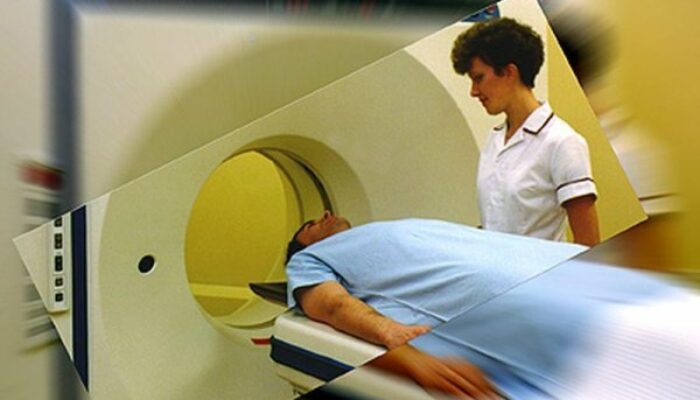
Medical imaging encompasses a range of diagnostic techniques that visualize the internal structures and functions of the human body. Among these, Computed Tomography (CT) and Magnetic Resonance Imaging (MRI) are prominent modalities widely used to detect and monitor various medical conditions.
- Computed Tomography (CT):
A diagnostic tool that employs ionizing radiation to generate detailed cross-sectional images of anatomical structures. - Magnetic Resonance Imaging (MRI):
An imaging method that uses powerful magnetic fields and radiofrequency waves to produce high-resolution images without ionizing radiation.
Mechanisms Behind CT and MRI Scans
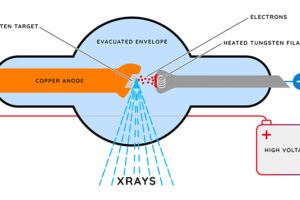
CT scans operate by directing X-ray beams around the body, capturing multiple images from different angles. These images are then reconstructed by computer algorithms to form cross-sectional views. The use of ionizing radiation is central to this process, enabling visualization of dense tissues such as bones and organs.
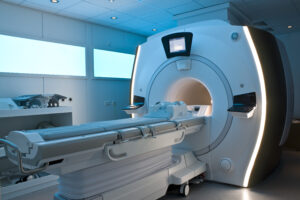
Conversely, MRI technology relies on the interaction between magnetic fields and hydrogen atoms in the body. When exposed to a strong magnetic field, these atoms emit radiofrequency signals that are detected and converted into detailed images. This technique avoids radiation exposure but requires patients to remain still within a confined space during the scan.
Radiation Exposure and Dose-Response Relationship in CT Scans
One of the critical concerns with CT imaging is the cumulative effect of ionizing radiation. The dose-response relationship describes how increasing radiation doses correlate with a heightened risk of adverse health effects, particularly cancer.
- Radiation Dose Equivalence:
A single CT scan can deliver radiation comparable to hundreds of standard chest X-rays. - Cumulative Risk:
Repeated CT scans increase lifetime exposure, elevating the probability of radiation-induced malignancies, especially in younger patients with longer expected lifespans.
Health Risks Associated with Excessive Imaging
Beyond the potential for cancer development, excessive use of CT scans may lead to other health concerns. Although rare, acute radiation syndrome can occur following very high radiation doses. Additionally, frequent imaging can induce psychological stress in patients, sometimes resulting in unnecessary further scans driven by anxiety rather than clinical need.
This phenomenon, often termed “radiology overload,” can contribute to overtreatment, where diagnostic findings prompt a cascade of additional imaging rather than informed clinical decision-making.
Safety Considerations in MRI Procedures
While MRI avoids the risks of ionizing radiation, it introduces other safety considerations. The use of gadolinium-based contrast agents enhances image clarity but carries risks for patients with impaired kidney function. Such individuals may develop nephrogenic systemic fibrosis, a serious condition involving fibrosis of skin and internal organs.
Therefore, careful patient evaluation and judicious use of contrast agents are essential to minimize potential complications without compromising diagnostic accuracy.
Evaluating the Benefits and Risks: Cost-Benefit Analysis in Imaging
Healthcare providers must balance the diagnostic advantages of CT and MRI scans against their associated risks. This involves thorough clinical assessments to determine the necessity of imaging and adherence to established guidelines.
Organizations such as the American College of Radiology and the Radiological Society of North America offer protocols to guide appropriate imaging use, emphasizing the importance of avoiding unnecessary procedures while ensuring patient safety.
Imaging in Chronic Disease Management
Patients with long-term illnesses often undergo repeated imaging to monitor disease progression or treatment response. For example, cancer patients may receive serial CT scans as part of their surveillance regimen.
Although these scans serve critical clinical purposes, the cumulative radiation exposure remains a concern. The ALARA (As Low As Reasonably Achievable) principle guides imaging frequency, advocating for the minimal necessary exposure to achieve diagnostic goals.
Innovations and Future Directions in Imaging Technology
Recent technological advancements aim to reduce the risks associated with medical imaging. Low-dose CT protocols utilize sophisticated algorithms to maintain image quality while significantly lowering radiation exposure.
Additionally, alternative imaging modalities such as ultrasound and molecular imaging are being explored for their potential to provide diagnostic information without ionizing radiation. Ongoing education for healthcare professionals is vital to integrate these innovations effectively into clinical practice.
Common Misconceptions About CT and MRI Scans
MRI scans expose patients to harmful radiation.
MRI uses magnetic fields and radio waves, which do not involve ionizing radiation, making it safer in this regard.
More imaging always leads to better diagnosis.
Excessive imaging can result in unnecessary procedures, increased patient anxiety, and potential health risks without improving clinical outcomes.
Significance of Responsible Imaging Practices
Medical imaging remains an indispensable component of modern healthcare, providing critical insights that guide diagnosis and treatment. However, the potential hazards linked to overuse necessitate a cautious and informed approach.
By prioritizing evidence-based imaging decisions, educating patients about risks and benefits, and embracing technological advancements, healthcare professionals can optimize patient care. This balanced strategy ensures that the advantages of CT and MRI are maximized while minimizing potential harm.
FAQ
What are the dangers of too many CT scans?
Excessive CT scans increase exposure to ionizing radiation, raising the risk of cancer and other radiation-related health effects.
Do MRI scans pose radiation risks?
MRI scans do not involve ionizing radiation, but the use of contrast agents can pose risks, especially in patients with kidney problems.
How can patients reduce risks from medical imaging?
Patients should ensure imaging is clinically necessary, discuss risks with providers, and follow guidelines promoting minimal radiation exposure.
What is 'radiology overload'?
Radiology overload refers to excessive imaging that may lead to overtreatment and unnecessary additional scans.
Are there safer alternatives to CT scans?
Yes, low-dose CT protocols, ultrasound, and molecular imaging can offer diagnostic information with reduced or no radiation exposure.



Leave a Reply