Directory of Radiotherapy Physics?

Definition of Radiotherapy Physics Radiotherapy physics is a specialized branch of science that merges principles from physics, medicine, and health technology to facilitate cancer treatment. It focuses on the use of ionizing radiation to target and destroy malignant cells. This discipline is essential in modern oncology, as it ensures that radiation is delivered accurately and […]

Read More →

Can you explain the physics of MRI scans step by step?

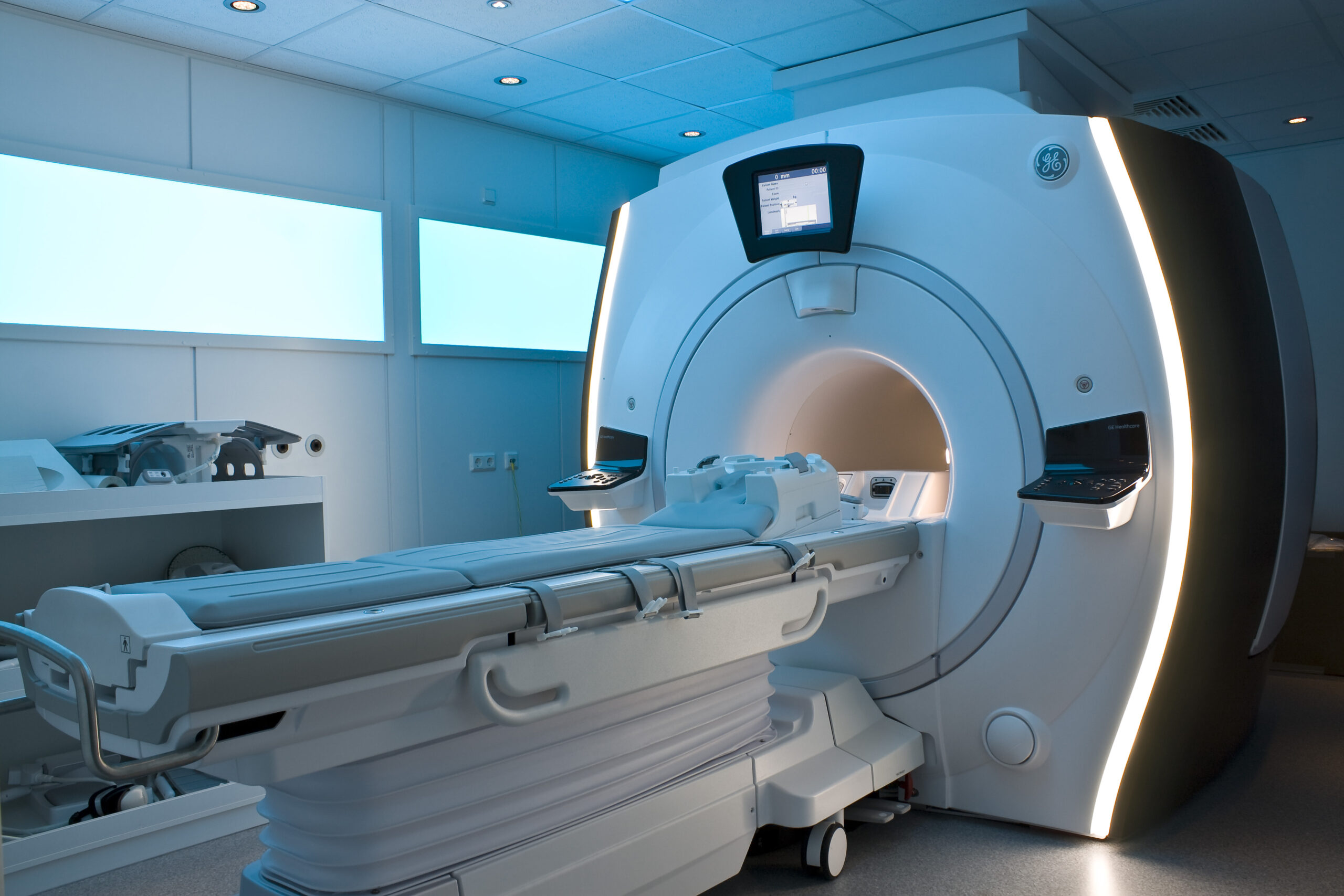
Definition of Magnetic Resonance Imaging (MRI) Magnetic Resonance Imaging (MRI) is a sophisticated medical imaging technique that combines principles from physics, biology, and engineering to produce detailed images of the body’s internal soft tissues. It leverages the magnetic properties of atomic nuclei, particularly hydrogen atoms, to generate high-resolution images without the use of ionizing radiation. […]

Read More →

How to prepare for an MD/PhD in medical physics?

Definition of MD/PhD in Medical Physics An MD/PhD in medical physics is a dual-degree program that integrates medical training with advanced scientific research in physics applied to healthcare. This interdisciplinary qualification equips graduates to innovate and improve medical diagnostics and treatments by applying physical principles to clinical problems. The program combines rigorous medical education with […]

Read More →

Is a radiation therapist considered a physician?

Definition of Radiation Therapist and Physician Understanding the distinction between a radiation therapist and a physician requires clear definitions of each role within the healthcare system. Physician: A physician is a medical professional who has completed extensive education, including medical school and residency, and holds a license to diagnose, treat, and manage diseases. Physicians possess […]

Read More →

Bone Physics Breakthrough: Cracking the Secret of Skeletal Strength

Understanding Bone Strength: A Comprehensive Overview Definition and Composition of Bone Bone is a remarkable biological material that serves as the structural framework of the human body. Far from being inert, bones are dynamic, living tissues composed of a complex composite of organic and inorganic components. This composite nature is fundamental to their unique mechanical […]

Read More →

Why does it take 45 minutes to get an MRI scan?

Definition of MRI Scan Duration Magnetic Resonance Imaging (MRI) is a pivotal diagnostic technique in contemporary medicine, celebrated for its ability to produce highly detailed images of internal body structures. A common inquiry among patients and their families concerns the length of time an MRI scan takes, which typically averages around 45 minutes. Understanding why […]

Read More →

How is physics related to medicine?

Definition The intersection of physics and medicine represents a dynamic and evolving collaboration between two fields that, at first glance, may appear unrelated. This relationship involves applying fundamental physical laws and concepts to medical science, enhancing both diagnostic and therapeutic techniques. By leveraging physical principles, medicine gains powerful tools to better understand, visualize, and treat […]

Read More →

Is neuroscience a logical area of research for a physicist?

Definition The convergence of neuroscience and physics represents a compelling interdisciplinary domain that merges the study of the brain with the fundamental laws governing matter and energy. Neuroscience focuses on deciphering the complex networks of neurons, synaptic communication, and brain functions that underlie cognition, behavior, and consciousness. Physics, on the other hand, offers theoretical frameworks […]

Read More →

What is MRI scanning? How does MRI scanning work?

Definition of Magnetic Resonance Imaging (MRI) Magnetic Resonance Imaging (MRI) is an advanced diagnostic imaging technique that has transformed medical practice by providing detailed views of the body’s internal anatomy without exposing patients to ionizing radiation. Unlike X-rays or computed tomography (CT) scans, MRI uses magnetic fields and radio waves to generate high-resolution images, particularly […]

Read More →

Bridging the Gap Between Molecular Biology and Radiology?

Understanding the Intersection of Molecular Biology and Radiology The fusion of molecular biology with radiology represents a captivating frontier in modern healthcare, captivating researchers and medical professionals alike. This interdisciplinary nexus raises a compelling question: can the detailed insights from molecular biology enhance the interpretation and utility of radiological imaging? Exploring this synergy offers promising […]

Read More →