

Short Answer
Overview of Medical Imaging Research Careers
Medical imaging represents a vital intersection between cutting-edge technology and healthcare, offering profound insights into the complexities of human anatomy and physiology. For those aspiring to enter this dynamic field, a career in medical imaging research presents both stimulating intellectual challenges and the opportunity to make meaningful contributions to patient care advancements. This article outlines the essential steps and considerations for launching a successful research career in medical imaging, emphasizing the blend of education, practical experience, and ethical responsibility.
Definition and Scope of Medical Imaging Research
Medical imaging research involves the study and development of techniques and technologies that visualize the internal structures and functions of the body. This field encompasses a variety of imaging modalities and analytical methods aimed at improving diagnostic accuracy, treatment planning, and understanding of biological processes.
- Imaging Modalities:
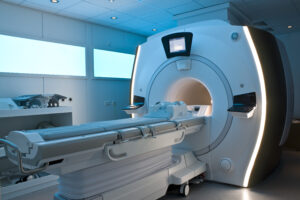
Technologies such as magnetic resonance imaging (MRI), computed tomography (CT), and positron emission tomography (PET) are central to medical imaging research. - Research Focus:
Efforts include enhancing image acquisition, refining reconstruction algorithms, and developing novel contrast agents or imaging biomarkers. - Interdisciplinary Nature:
The field integrates principles from biomedical engineering, computer science, physics, and clinical medicine.
Educational Foundations for Medical Imaging Research
Launching a career in medical imaging research requires a robust educational background rooted in biomedical sciences. Prospective researchers typically begin with undergraduate degrees in biomedical engineering, radiologic sciences, or related disciplines, which provide essential knowledge of biological systems and imaging principles.
Building upon this foundation, specialized coursework in various imaging techniques is crucial. Subjects covering MRI, CT, PET, and emerging modalities equip students with a comprehensive understanding of image generation and interpretation. Additionally, the growing role of artificial intelligence in medical imaging necessitates familiarity with data science, machine learning, and computational analysis.
Practical Experience and Professional Development
Beyond academic preparation, gaining hands-on experience is indispensable. Internships, fellowships, and research assistant positions offer practical exposure to laboratory and clinical environments, allowing researchers to apply theoretical concepts to real-world challenges. These experiences also facilitate mentorship opportunities and the development of professional networks, which are vital for career progression.
Active participation in research communities encourages collaboration across disciplines, fostering innovative projects that expand expertise and impact.
Advanced Studies and Specialization
For those seeking deeper specialization, pursuing graduate education-such as master’s or doctoral programs-is often essential. These advanced degrees provide opportunities to engage in independent research, explore niche areas within medical imaging, and contribute original findings through theses or dissertations. Graduate studies also enhance technical skills and theoretical knowledge, preparing researchers for leadership roles in academia or industry.
Technical Skills and Analytical Competencies
Success in medical imaging research increasingly depends on proficiency in quantitative analysis and computational methods. Programming languages like Python and MATLAB are widely used for processing and interpreting complex imaging datasets. Moreover, a solid grasp of statistical techniques is necessary to validate research outcomes rigorously. Critical thinking and problem-solving abilities further enable researchers to design robust studies and innovate within the field.
Ethical Considerations in Medical Imaging Research
Ethics play a pivotal role in medical imaging research, particularly concerning patient rights and data confidentiality. Researchers must navigate issues related to informed consent, privacy, and the responsible use of imaging data in clinical decision-making. Adherence to institutional review board (IRB) guidelines and ethical standards ensures the integrity of research and maintains public trust.
Dissemination of Research Findings
Communicating research outcomes is fundamental to advancing the field of medical imaging. Publishing in peer-reviewed journals and presenting at scientific conferences not only validates the work but also fosters knowledge exchange and collaboration. These activities enhance the visibility of research efforts and stimulate further innovation.
Adapting to Emerging Trends and Lifelong Learning
The landscape of medical imaging is continually evolving due to technological advancements and expanding biological insights. Researchers must remain adaptable, embracing ongoing education and interdisciplinary partnerships. Collaborations with experts in computer science, physics, and clinical practice enrich research perspectives and open new avenues for discovery.
Significance of Medical Imaging Research
Medical imaging research is crucial for improving diagnostic accuracy, guiding therapeutic interventions, and deepening our understanding of human health. By advancing imaging technologies and methodologies, researchers contribute to earlier disease detection, personalized medicine, and enhanced patient outcomes, underscoring the field’s vital role in modern healthcare.
Frequently Asked Questions (FAQ)
What academic background is necessary to begin a career in medical imaging research?
A strong grounding in biomedical sciences, biomedical engineering, or radiologic sciences is essential, complemented by specialized studies in imaging technologies and data analysis.
How valuable is practical experience in this field?
Hands-on experience through internships or research roles is critical for applying theoretical knowledge, gaining mentorship, and building professional networks.
Are advanced degrees important for specialization?
Yes, master’s and doctoral programs provide in-depth training and research opportunities necessary for specialization and leadership in medical imaging research.
Which skills are most important for success?
Key skills include quantitative analysis, programming (e.g., Python, MATLAB), statistical evaluation, critical thinking, and a strong ethical framework.
Why is ethics important in medical imaging research?
Ethical considerations protect patient rights, ensure confidentiality, and uphold research integrity, fostering trust and societal relevance.
FAQ
What educational background is needed to start a research career in medical imaging?
A solid foundation in biomedical sciences, biomedical engineering, radiologic science, or related fields is essential, supplemented by specialized coursework in imaging modalities and data science.
How important is hands-on experience in medical imaging research?
Hands-on experience through internships, fellowships, or research assistantships is invaluable for applying theoretical knowledge, gaining mentorship, and building professional networks.
What advanced degrees are recommended for specialization in medical imaging research?
Master’s and doctoral degrees are often necessary for in-depth exploration, independent research, and specialization in specific imaging areas.
Which skills are critical for success in medical imaging research?
Quantitative analysis, programming (e.g., Python, MATLAB), statistical methodologies, critical thinking, and ethical understanding are key competencies.
Why is ethical consideration important in medical imaging research?
Ethical considerations ensure patient autonomy, confidentiality, and integrity in research practices, fostering trust and societal relevance.


Leave a Reply