

Short Answer
Definition
The pursuit of a bachelor’s degree in physics with the intention of advancing to medical school represents a unique academic and professional pathway. This interdisciplinary approach combines the rigorous study of physical sciences with the compassionate practice of medicine, blending analytical skills with human-centered care. It challenges traditional educational routes by integrating the precision of physics with the complexities of medical science.
Foundations of Physics and Medicine
Physics as an undergraduate major involves a comprehensive study of the fundamental laws that govern the natural world. Students explore areas such as classical mechanics, electromagnetism, thermodynamics, and quantum theory. This curriculum develops strong problem-solving abilities, mathematical expertise, and critical thinking skills essential for scientific investigation.
Conversely, medical education focuses on biological sciences, human anatomy, physiology, and patient communication. Medical students must acquire a broad knowledge base in life sciences alongside interpersonal skills like empathy and effective communication, which are vital for patient care.
Interdisciplinary Synergy: Physics Meets Medicine
Despite seeming differences, physics and medicine complement each other in numerous ways. The analytical and quantitative skills gained from physics provide valuable perspectives on medical challenges. For example, understanding fluid dynamics can clarify the behavior of blood circulation, while energy conservation principles can illuminate metabolic functions.
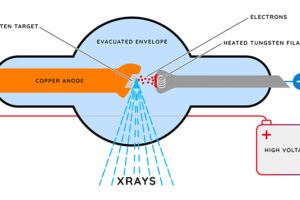
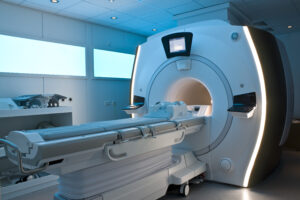
Additionally, modern medicine increasingly depends on advanced technologies rooted in physics. Imaging techniques such as Magnetic Resonance Imaging (MRI) and Computed Tomography (CT) scans rely on physical principles. A physics background enables future physicians to grasp these technologies more deeply, enhancing diagnostic accuracy and patient outcomes.
Academic Planning and Medical School Prerequisites
Medical schools typically require coursework in biology, general and organic chemistry, and sometimes physics. Physics majors can strategically select courses to meet these prerequisites, often supplementing their core physics curriculum with essential life science classes. This careful planning allows students to maintain a physics major while fulfilling medical school admission requirements.
Challenges and Time Management
Balancing the demands of physics and pre-medical studies is a rigorous endeavor. Both fields involve intensive laboratory work, complex problem sets, and frequent examinations. Success requires exceptional organizational skills, discipline, and resilience. The workload can be intense, but overcoming these challenges fosters personal growth and academic excellence.
Gaining Relevant Experience
Beyond academics, medical school applicants must demonstrate commitment to healthcare through extracurricular activities. Physics students can engage in hospital volunteering, physician shadowing, or research projects that connect physical science with clinical applications. These experiences enrich understanding of patient care and signal dedication to the medical profession.
Unique Perspectives and Contributions
A physics background equips future medical professionals with a distinctive approach to complex healthcare issues. This interdisciplinary training encourages innovative thinking in addressing medical ethics, healthcare disparities, and the integration of emerging technologies. Physicists’ problem-solving mindset can lead to novel solutions in clinical practice and biomedical research.
Career Opportunities at the Intersection of Physics and Medicine
Graduates with expertise in both physics and medicine have access to specialized fields such as radiology, anesthesiology, and biomedical engineering. These areas benefit from a deep understanding of physical principles applied to patient care and medical device innovation. Such interdisciplinary careers contribute to advancing healthcare technology and improving treatment methodologies.
Why This Pathway Is Important
Combining physics and medicine fosters a holistic approach to healthcare that integrates scientific rigor with compassionate treatment. This fusion enhances diagnostic capabilities, supports technological advancements, and cultivates versatile medical professionals capable of navigating the evolving landscape of medicine. For students passionate about both science and healing, this route offers a rewarding and impactful career trajectory.
FAQ
Can I apply to medical school with a physics bachelor's degree?
Yes, many medical schools accept applicants from physics backgrounds, especially if they complete required life sciences prerequisites.
What are the advantages of studying physics before medical school?
Physics develops analytical thinking, quantitative skills, and understanding of medical technologies such as imaging, which can enhance medical training.
Are there common challenges for physics majors applying to med school?
Yes, balancing required biology and chemistry courses along with physics can be demanding, requiring careful planning and time management.
What medical fields benefit from a physics background?
Fields like radiology, anesthesiology, and biomedical engineering highly benefit from a strong foundation in physics.




Leave a Reply