

Short Answer
Definition
The convergence of physics and oncology represents a dynamic interdisciplinary field that leverages physical science principles to enhance cancer research and treatment. This integration reveals how concepts traditionally associated with physics can offer profound insights into the biological complexities of cancer, fostering innovative approaches to diagnosis, therapy, and understanding tumor behavior.
Medical Physics in Cancer Treatment
Radiotherapy and Its Physical Foundations
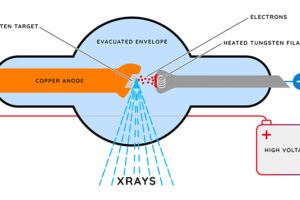
Radiotherapy remains a fundamental modality in cancer management, heavily reliant on the expertise of medical physicists. These professionals apply physics principles to operate and optimize linear accelerators, which produce high-energy x-rays or electron beams targeted precisely at malignant tissues. Accurate calculation of radiation dose distribution is essential, involving detailed understanding of radiation interactions with matter and spatial geometry to maximize tumor destruction while sparing healthy cells.
Imaging Technologies in Oncology
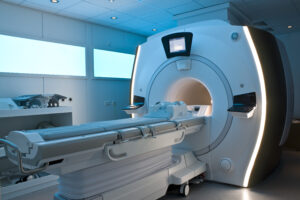
Advanced imaging techniques such as positron emission tomography (PET) and magnetic resonance imaging (MRI) are grounded in physical phenomena. Mastery of these underlying mechanisms enables clinicians to detect cancer early and monitor treatment progress effectively, thereby improving patient prognoses.
Nanotechnology and Targeted Drug Delivery
Nanotechnology exemplifies the intersection of physics and biology by exploiting unique physical behaviors at the nanoscale to enhance cancer therapy. Nanoparticles engineered to carry chemotherapeutic agents can selectively attach to cancer cells, increasing treatment precision and reducing systemic side effects.
- Nanoparticle Design:
The size, shape, and surface chemistry of nanoparticles influence their distribution within the body and uptake by cancer cells, governed by physical principles. - Therapeutic Impact:
Tailoring these physical attributes improves drug delivery efficiency and therapeutic outcomes.
Particle Therapy: Advanced Radiation Techniques
Particle therapy, including proton and heavy ion treatments, introduces a novel approach to radiotherapy by utilizing charged particles with distinct physical properties. The Bragg peak phenomenon allows these particles to deposit maximum energy at specific depths, enabling precise tumor targeting while minimizing damage to surrounding healthy tissue.
Ongoing research explores combining particle therapy with immunotherapy and chemotherapy, aiming to develop personalized treatment regimens that harness the physics of particle interactions within biological systems.
Biophysics: Investigating Cancer Cell Mechanics
Biophysics bridges physics and biology by examining the mechanical characteristics of cancer cells that influence their aggressive behavior. Parameters such as cellular stiffness, adhesion, and motility are critical in understanding tumor invasion and metastasis.
- Measurement Techniques:
Tools like optical tweezers and atomic force microscopy quantify these mechanical properties. - Mechanotransduction:
The process by which cells convert mechanical stimuli into biochemical signals offers potential therapeutic targets to disrupt metastatic pathways.
Mathematical Modeling of Cancer Progression
Mathematical frameworks derived from physical laws enable simulation and prediction of tumor growth and treatment responses. Differential equations and statistical models help researchers understand cancer dynamics and optimize therapeutic strategies.
The integration of artificial intelligence and machine learning enhances these models, allowing for patient-specific predictions and personalized treatment planning, marking a significant advancement in precision oncology.
Computational Physics in Oncology Research
Computational physics plays a crucial role in simulating tumor microenvironments and therapeutic interactions through sophisticated algorithms. These simulations provide detailed insights into cancer biology and facilitate the exploration of innovative treatment approaches.
Future developments may include the creation of virtual patient models, enabling clinicians to test and refine treatment plans in silico before clinical application, thereby improving efficacy and reducing risks.
Common Misconceptions
Physics is unrelated to biological processes in cancer.
Physical principles are integral to understanding and manipulating biological mechanisms in oncology, from radiation therapy to cellular mechanics.
Nanoparticles function solely based on chemical properties.
The physical characteristics of nanoparticles, such as size and shape, critically influence their biological interactions and therapeutic effectiveness.
Why the Intersection of Physics and Oncology Is Crucial
The fusion of physics with oncology is pivotal for advancing cancer diagnosis, treatment, and research. Physical sciences provide essential tools and frameworks that deepen our understanding of tumor biology and improve therapeutic precision. This interdisciplinary collaboration accelerates innovation, offering hope for more effective and personalized cancer care in the future.
FAQ
How does physics aid in cancer radiotherapy?
Physics principles enable precise dose calculations and operation of devices like linear accelerators to target tumors effectively while minimizing damage to healthy tissues.
What role does nanotechnology play in oncology?
Nanotechnology utilizes physical phenomena at the nanoscale to deliver drugs directly to cancer cells, improving treatment efficacy and reducing side effects.
What is particle therapy and how is it different from traditional radiation therapy?
Particle therapy uses charged particles such as protons to deliver radiation more precisely, exploiting the Bragg peak to concentrate energy at the tumor site, reducing harm to surrounding healthy tissue.
How does biophysics contribute to understanding cancer?
Biophysics examines the mechanical properties and behaviors of cancer cells, helping to understand tumor invasion and metastasis through tools like atomic force microscopy.
Can computational physics improve cancer treatment?
Yes, computational physics allows simulation of tumor environments and treatment responses, enabling personalized medicine and the development of novel therapies.


Leave a Reply