

Short Answer
Definition of Radiation
Radiation is a pervasive phenomenon in the universe, consisting of energy transmitted through particles and electromagnetic waves. It is an essential aspect of the natural world, influencing various scientific fields and medical practices. Radiation originates from multiple sources, including cosmic events, the Earth’s own radioactive materials, and human technological activities. Each source plays a distinct role in shaping both our environment and our comprehension of physical laws.
Primary Sources of Radiation
Cosmic Rays: High-Energy Particles from Space
Cosmic rays are energetic particles that travel through space at nearly the speed of light, originating from distant astrophysical phenomena such as supernova explosions and active galactic nuclei. These particles, mainly protons and atomic nuclei, constantly bombard the Earth, interacting with the atmosphere to produce secondary radiation particles. This cascade effect results in a continuous flux of radiation that permeates the atmosphere.
The exact mechanisms behind cosmic ray generation remain a subject of scientific investigation, but it is understood that violent cosmic events accelerate charged particles to extreme energies. When these particles collide with atmospheric molecules, they create showers of secondary particles, contributing to the natural background radiation experienced on Earth.
Beyond their physical impact, cosmic rays may influence atmospheric processes. Studies indicate that ionization caused by cosmic rays can affect cloud nucleation, potentially playing a subtle role in climate regulation. Thus, cosmic rays serve as a bridge between cosmic phenomena and terrestrial environmental dynamics.
Terrestrial Radiation: Natural Radioactivity from the Earth
Radiation emanating from the Earth itself arises from the decay of naturally occurring radioactive isotopes embedded in the planet’s crust. Elements such as uranium, thorium, and radon undergo radioactive decay, releasing alpha, beta, and gamma radiation into the surrounding environment.
Radon gas is particularly noteworthy due to its ability to seep from soil and rock into buildings, where it can accumulate to levels that pose health risks. This odorless and invisible gas exemplifies the dual nature of terrestrial radiation: it is a natural component of our environment but also a potential hazard when concentrated indoors.
Terrestrial radiation is integral to understanding geological processes and the Earth’s thermal energy. The decay of radioactive elements contributes to geothermal heat, influencing tectonic activity and the planet’s evolution over geological timescales. This radiation thus connects us to the Earth’s deep history and ongoing internal dynamics.
Anthropogenic Radiation: Human-Generated Sources
Human activities have introduced additional sources of radiation, primarily through technological and industrial advancements. These include medical imaging and treatment, nuclear energy production, and various industrial applications.
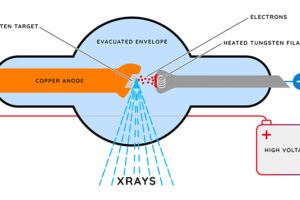
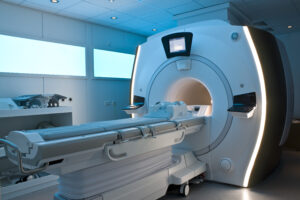
In medicine, radiation is harnessed for diagnostic tools such as X-rays and CT scans, which allow non-invasive visualization of internal body structures. Therapeutic uses of radiation also play a critical role in treating diseases like cancer. While these applications provide significant health benefits, they require careful management to minimize exposure risks to patients and healthcare workers.
Nuclear power plants generate electricity by harnessing nuclear reactions, offering a low-carbon energy alternative. However, the management of radioactive waste and the potential for catastrophic accidents, as seen in Chernobyl and Fukushima, highlight the challenges and responsibilities associated with this technology.
Industrial uses of radiation include material inspection and food sterilization, demonstrating the versatility of radiation in modern technology. Nonetheless, these applications demand strict safety protocols to protect workers and the public from unintended exposure.
How Radiation Interacts with the Environment
Radiation interacts with matter through processes such as ionization, excitation, and nuclear reactions. When high-energy particles or waves encounter atoms, they can dislodge electrons, alter molecular structures, or induce secondary particle production. These interactions underpin both the beneficial uses of radiation and its potential hazards.
Mathematical Description of Radiation
Radiation intensity and behavior can be described using various formulas depending on the context. For example, the inverse square law governs the intensity of radiation from a point source:
I = (frac{P}{4pi r^2})
- I: Intensity of radiation at distance r
- P: Power emitted by the source
- r: Distance from the source
This relationship illustrates how radiation intensity diminishes with increasing distance, a principle critical in radiation safety and shielding design.
Practical Applications of Radiation
Radiation plays a vital role in numerous real-world contexts:
- Medical Diagnostics and Treatment:
Techniques like X-rays and radiotherapy rely on controlled radiation exposure to diagnose and treat illnesses. - Energy Production:
Nuclear reactors utilize radiation from fission reactions to generate electricity on a large scale. - Industrial Uses:
Radiation is employed in non-destructive testing of materials and in food preservation to eliminate pathogens. - Scientific Research:
Cosmic ray detection and radiometric dating provide insights into astrophysics and geological history.
Common Misunderstandings About Radiation
- Misconception: All radiation is harmful.
Correction: Radiation encompasses a broad spectrum, with many forms being harmless or even beneficial at controlled levels. - Misconception: Radiation exposure always leads to immediate health effects.
Correction: Health impacts depend on dose, duration, and type of radiation; low-level exposure often poses minimal risk. - Misconception: Nuclear power is inherently unsafe.
Correction: While risks exist, modern nuclear technology incorporates extensive safety measures to mitigate hazards.
Significance of Radiation in Science and Society
Radiation is fundamental to advancing scientific knowledge and technological progress. It enables critical medical procedures, supports sustainable energy solutions, and deepens our understanding of the universe and Earth’s processes. Recognizing both its benefits and risks is essential for responsible use and protection of public health and the environment. As research continues, radiation remains a powerful tool and a subject of ongoing exploration in multiple disciplines.
FAQ
What are cosmic rays?
Cosmic rays are high-energy particles from space that bombard Earth's atmosphere, originating from sources such as supernovae and active galaxies.
Why is radon considered hazardous?
Radon is a radioactive gas that can accumulate in enclosed spaces, increasing the risk of lung cancer upon prolonged exposure.
How does radiation benefit medical science?
Radiation is used in diagnostic imaging like X-rays and CT scans to visualize internal structures and in therapy to treat diseases such as cancer.
What safety measures exist for human-made radiation?
Stringent regulations, monitoring, and protective protocols are implemented in medical, nuclear, and industrial settings to minimize radiation exposure.



Leave a Reply